In this post I will put the history part of the blog aside for a moment, and talk instead about landscape photography in Italy. This is after all supposed to be a blog about history AND photography, but I do feel a bit diffident whenever it sounds as if I am offering advice on photographic technique. The reason is simple – there are many very talented photographers publishing their work on the internet and offering technical advice and it feels a bit presumptuous to be comparing myself to them, if only implicitly.
But recently I was looking at the work of a photographer who specialises in the man-made landscape, in particular scenes of urban decay, and accidental geometric shapes and patterns. You can find his YouTube videos here. The results are not always my cup of tea, but I found myself watching partly because he uses the same medium format camera as me (Fujifilm GFX 50R) and partly because I was fascinated by the amount of care he puts into composition. That got me thinking about one aspect of my photography that I do enjoy very much, which is looking for patterns, not in derelict industrial sites, but in the landscape.
And by a fortunate coincidence, it turns out that I have quite a few photographs of Italy that could illustrate this, taken on a range of film and digital cameras over the course of about twenty years. So here we go.
Shapes
The natural landscape is not orderly as a rule, or at least that’s not how we think of it. Of course agriculture can alter that, but occasionally nature does it by itself. Either way, your eye is drawn to apparent shapes, whether they are tricks of perspective, the result of human action, or just sheer chance.
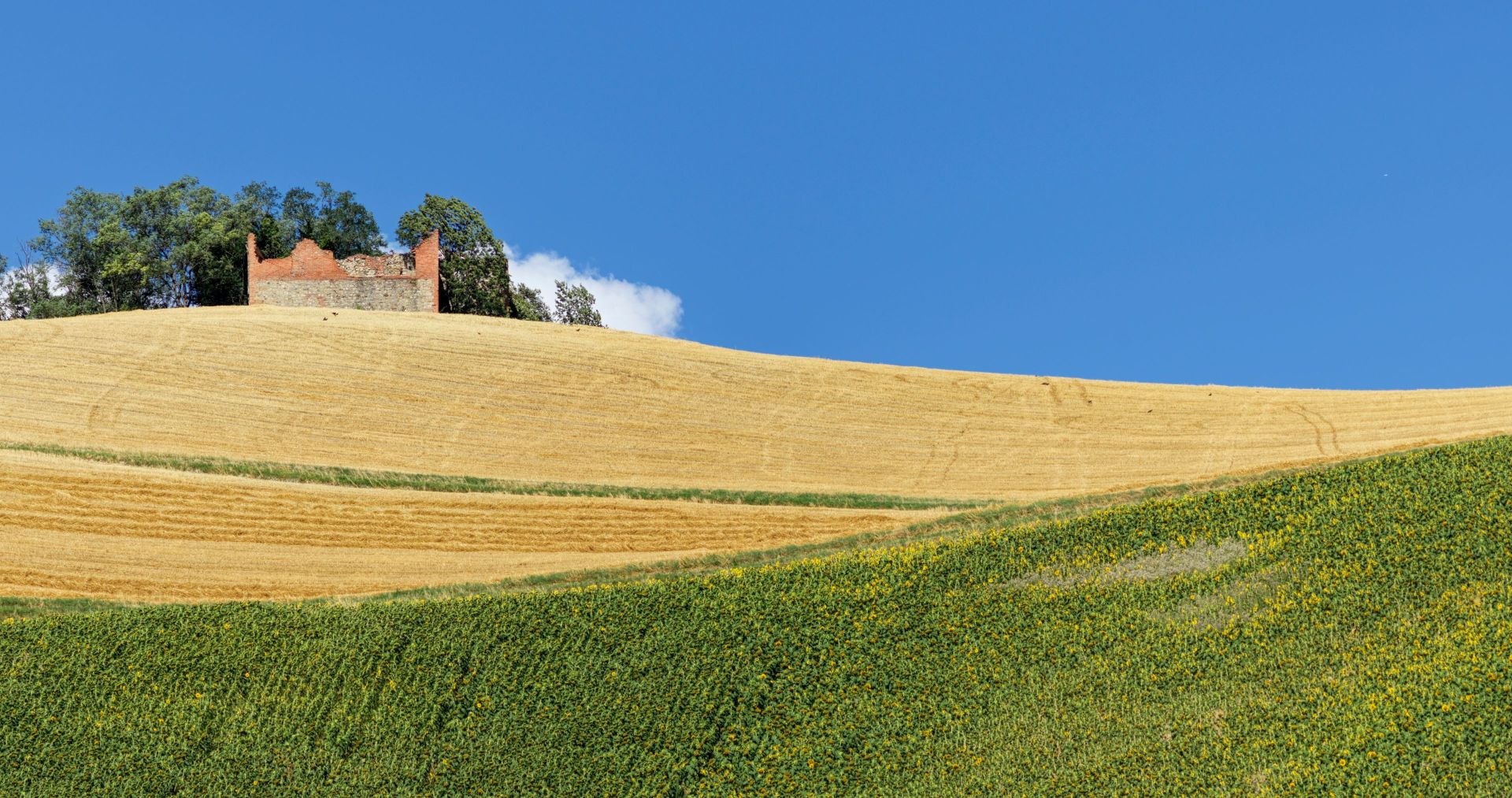
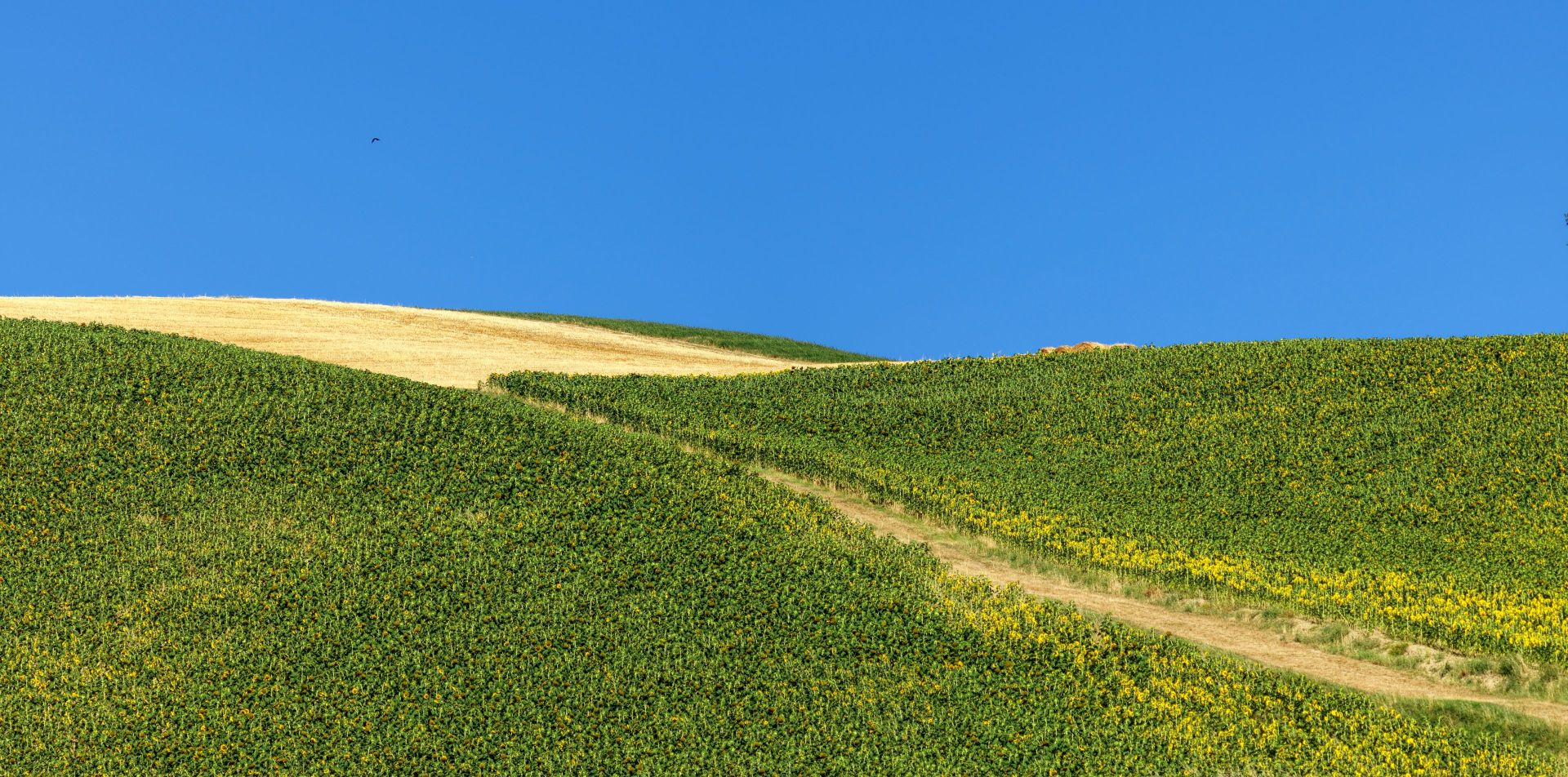
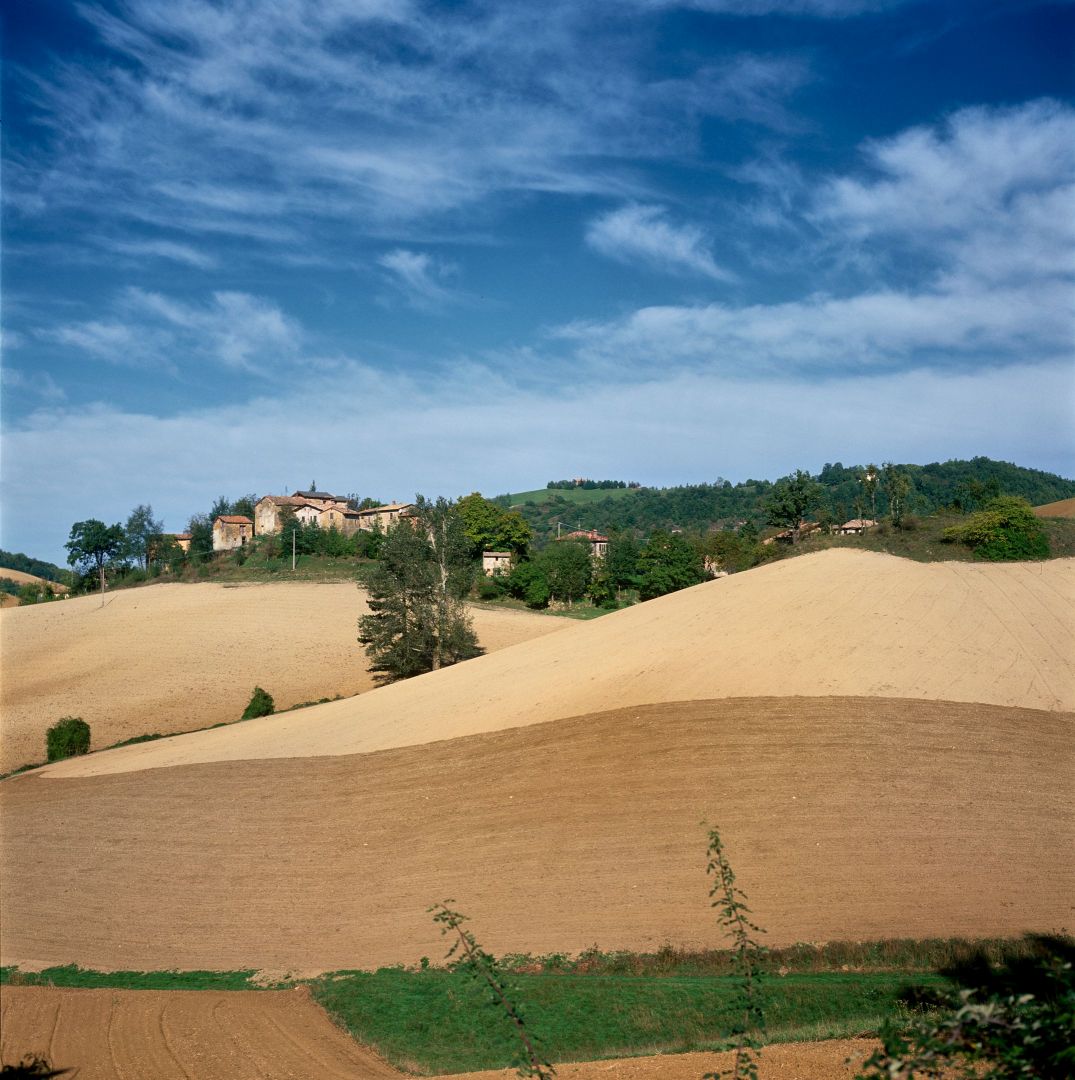
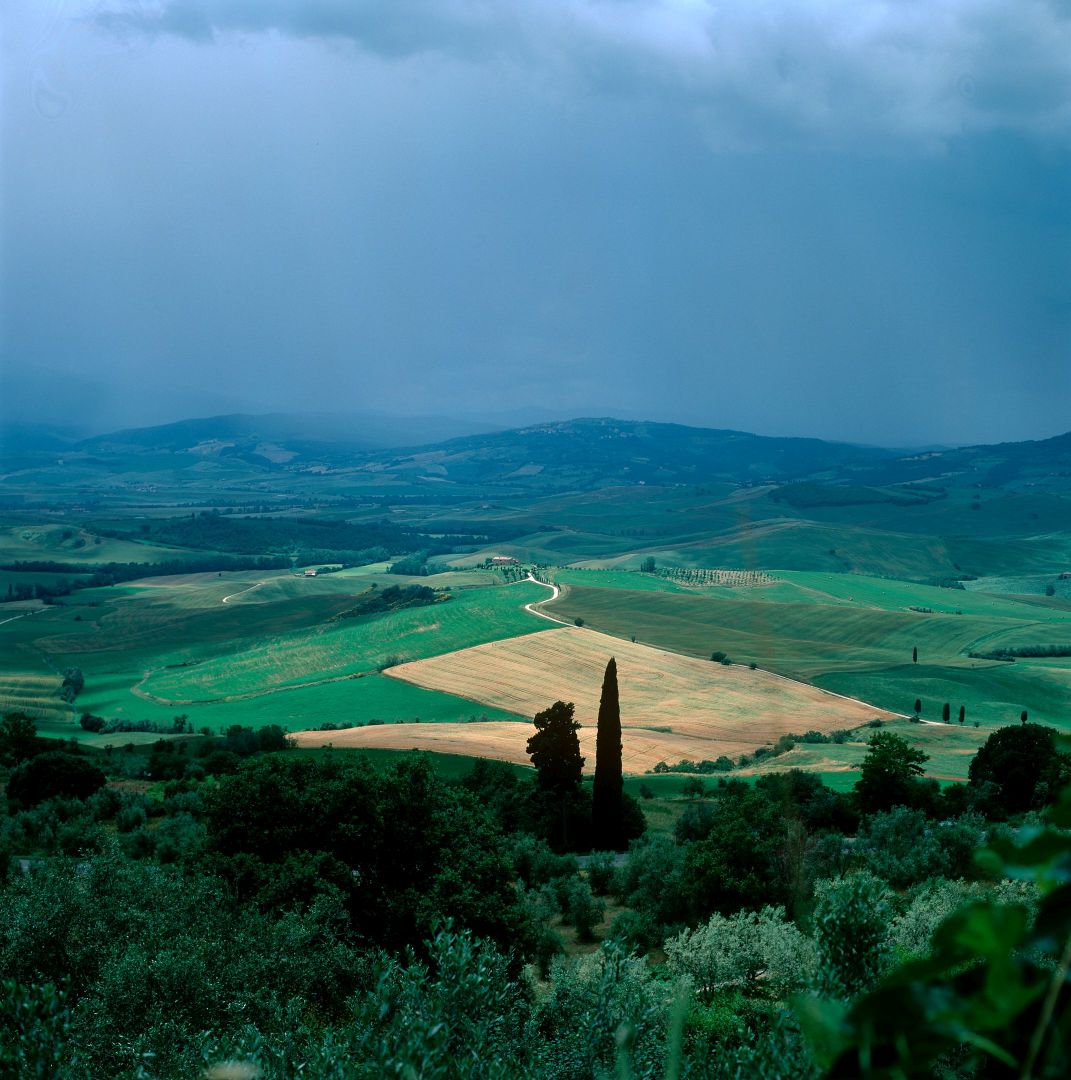
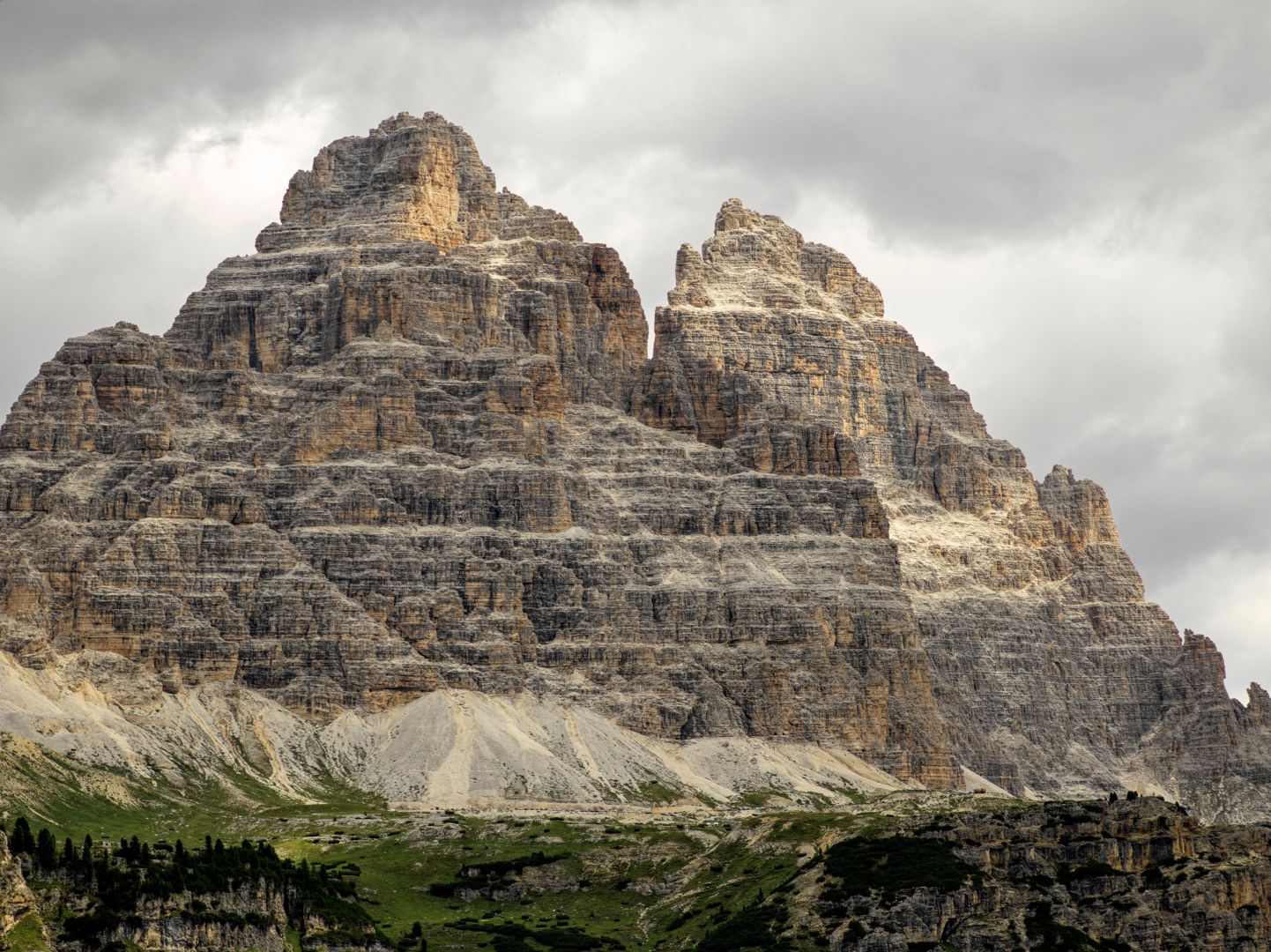
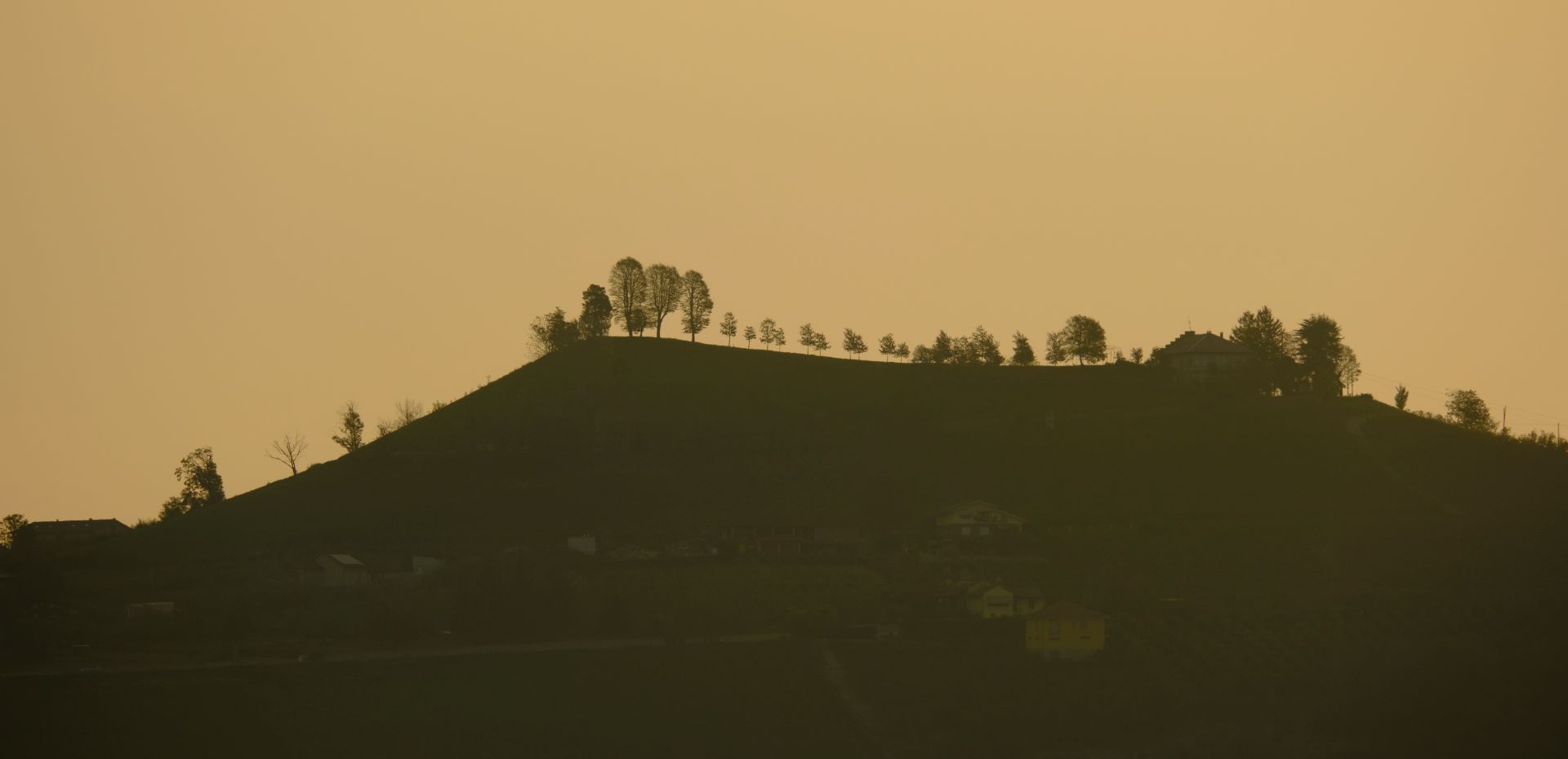
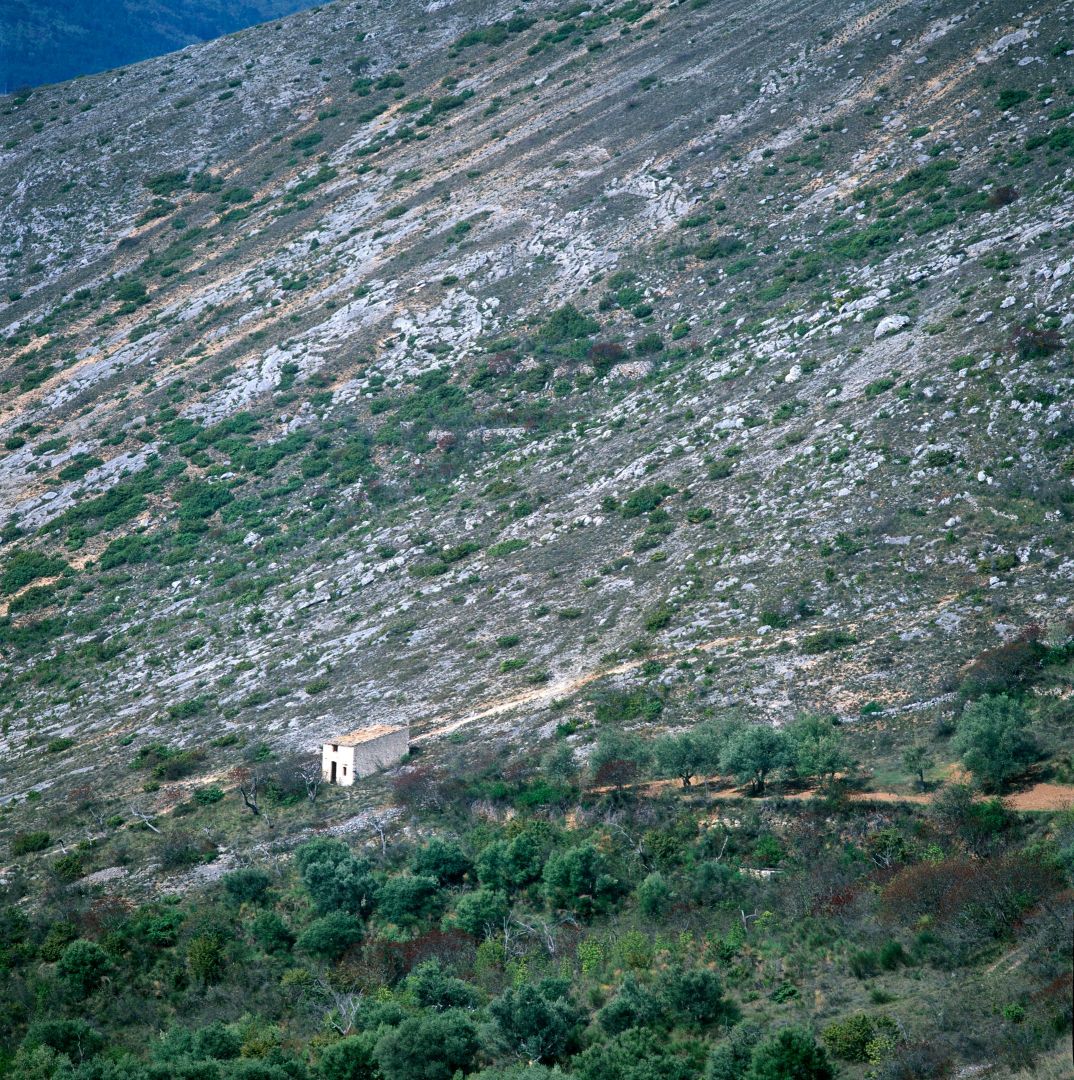
This picture and the next were both taken in the foothills of the Apennines, in Emilia-Romagna south of Bologna. The contrast between the mown wheat or barley and the green crop (which I think might be rapeseed) combined with the swooping curves of the hills to create a pleasing series of shapes. Hasselblad 501 C/M camera, Zeiss Sonnar CF 150mm lens, CFV-50c digital back (click to enlarge).The same location. Hasselblad 501 C/M camera, Zeiss Sonnar CF 150mm lens, CFV-50c digital back (click to enlarge).Near the village of Montetortore in Emilia-Romagna. Hasselblad 501 C/M camera, Zeiss Planar C 80mm lens, 6x6cm rollfilm back, Fujichrome Velvia 50 120 film, scanned on a Nikon LS-9000ED film scanner (click to enlarge).In this photograph of the Val d’Orcia, taken from the walls of Pienza in Tuscany, a newly-harvested field contrasts with the green crops around it, while a huge thunderstorm brews in the background. Hasselblad 501 C/M camera, Zeiss Planar C 80mm lens, 6x6cm rollfilm back, Fujichrome Velvia 50 120 film scanned on a Nikon LS-9000ED film scanner (click to enlarge).Sometimes nature provides the shapes itself. Taken near Misurina in the Dolomites. Hasselblad 501 C/M camera, Zeiss Sonnar CF 150mm lens, CFV-50c digital back (click to enlarge).Here, near La Morra in Piemonte, the dawn light has reduced what would otherwise be a rather cluttered scene to something like a cardboard silhouette. Fujifilm X-Pro 3 digital camera, 100-400mm lens (click to enlarge).In this photograph taken near Pagliare in Abruzzo, the strong diagonals of the mountainside are offset by the farmer’s tiny shed. Hasselblad 501 C/M camera, Zeiss Sonnar C 250mm lens, 6x6cm rollfilm back, Fujichrome Velvia 50 120 film scanned on a Nikon LS-9000ED film scanner (click to enlarge).
Repetition
Repetition is something that the brain responds to at a fairly basic level – you don’t need to think about it, because neurologically you’ve already noticed it before the higher levels of cognition have been engaged. Clearly something this fundamental must have evolved because it conferred a survival advantage, but I don’t profess to understand quite why.
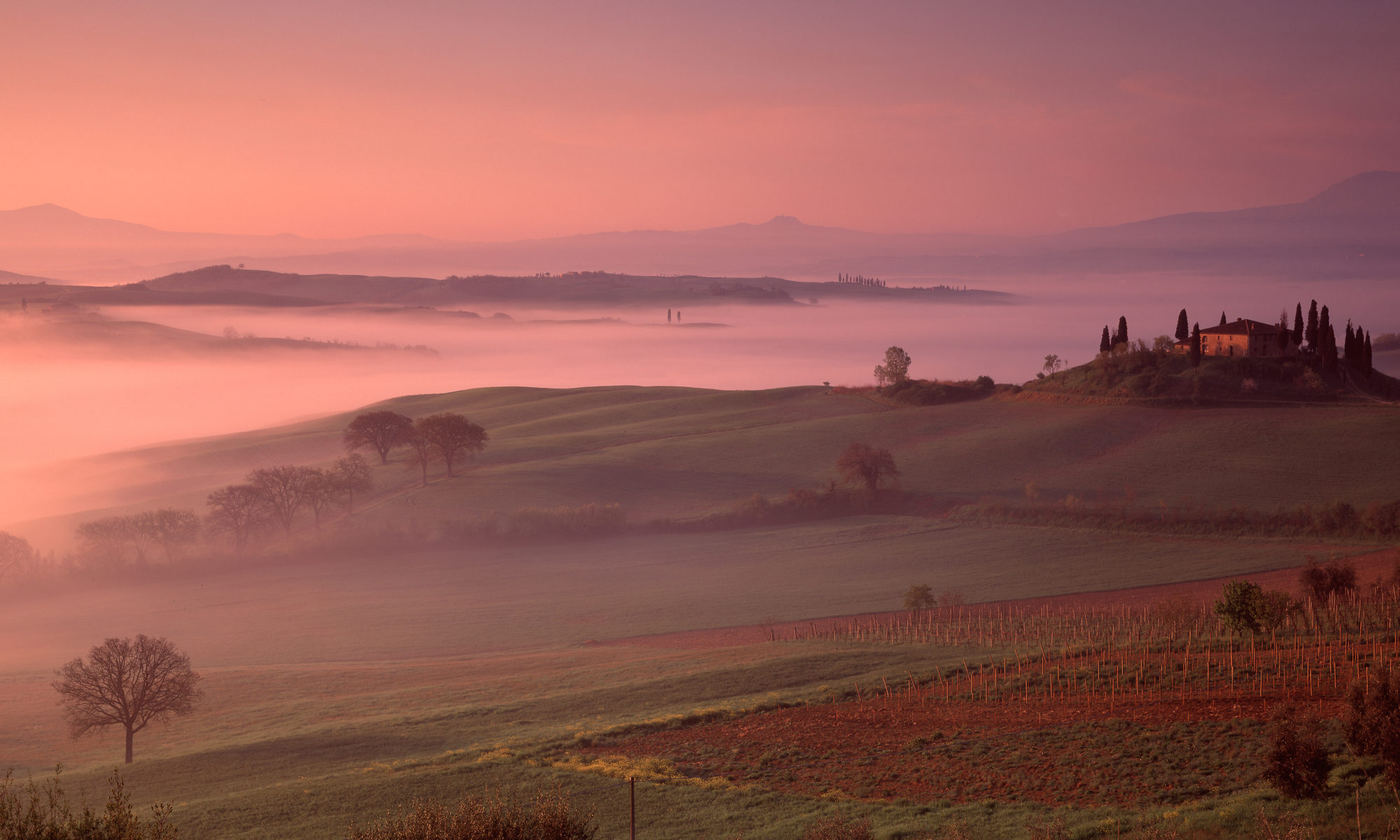
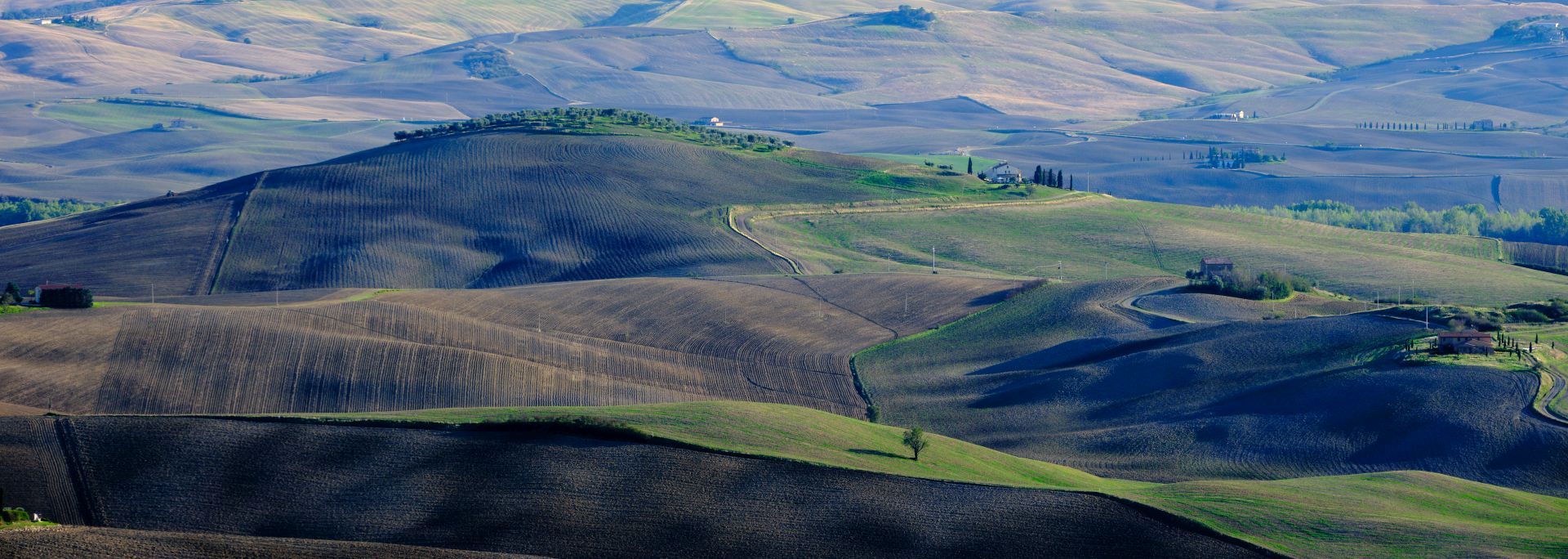
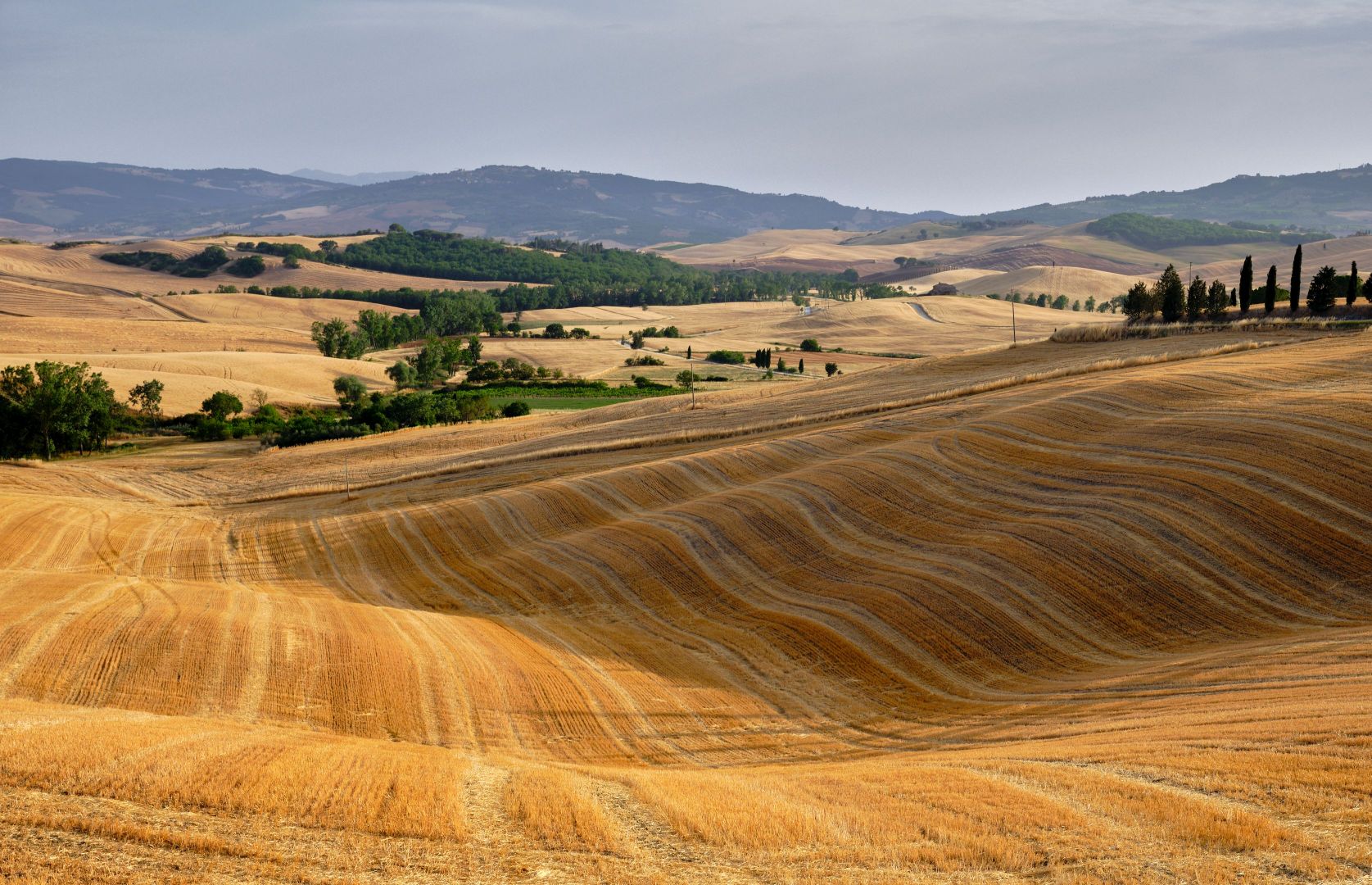
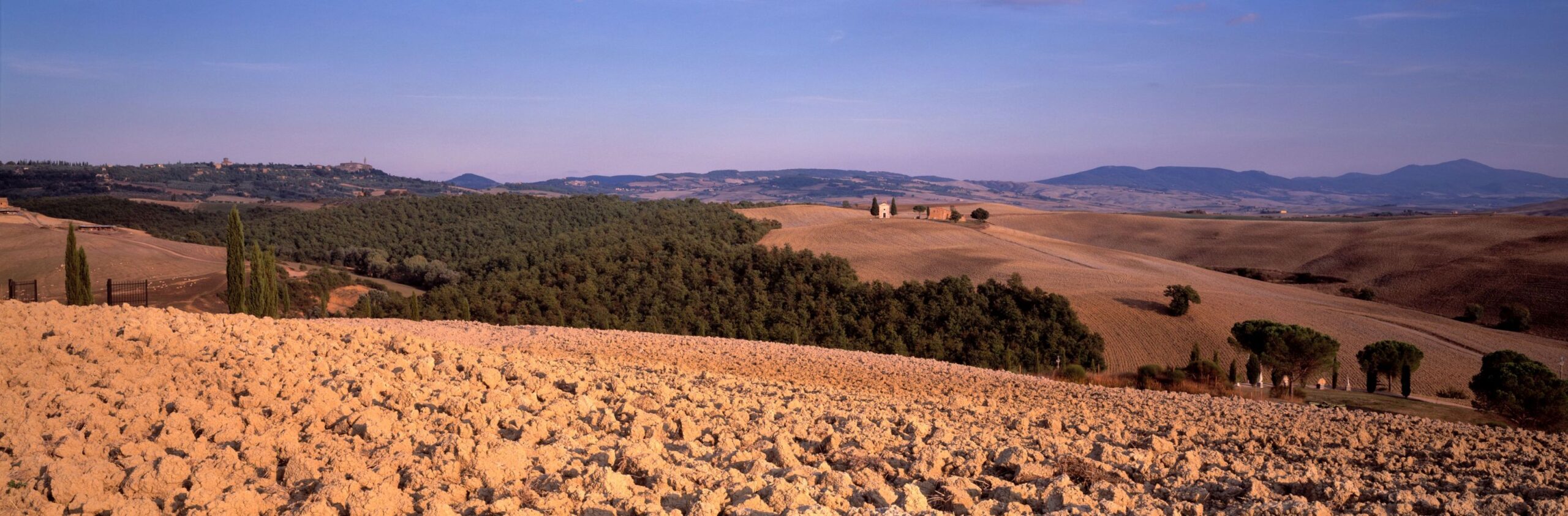
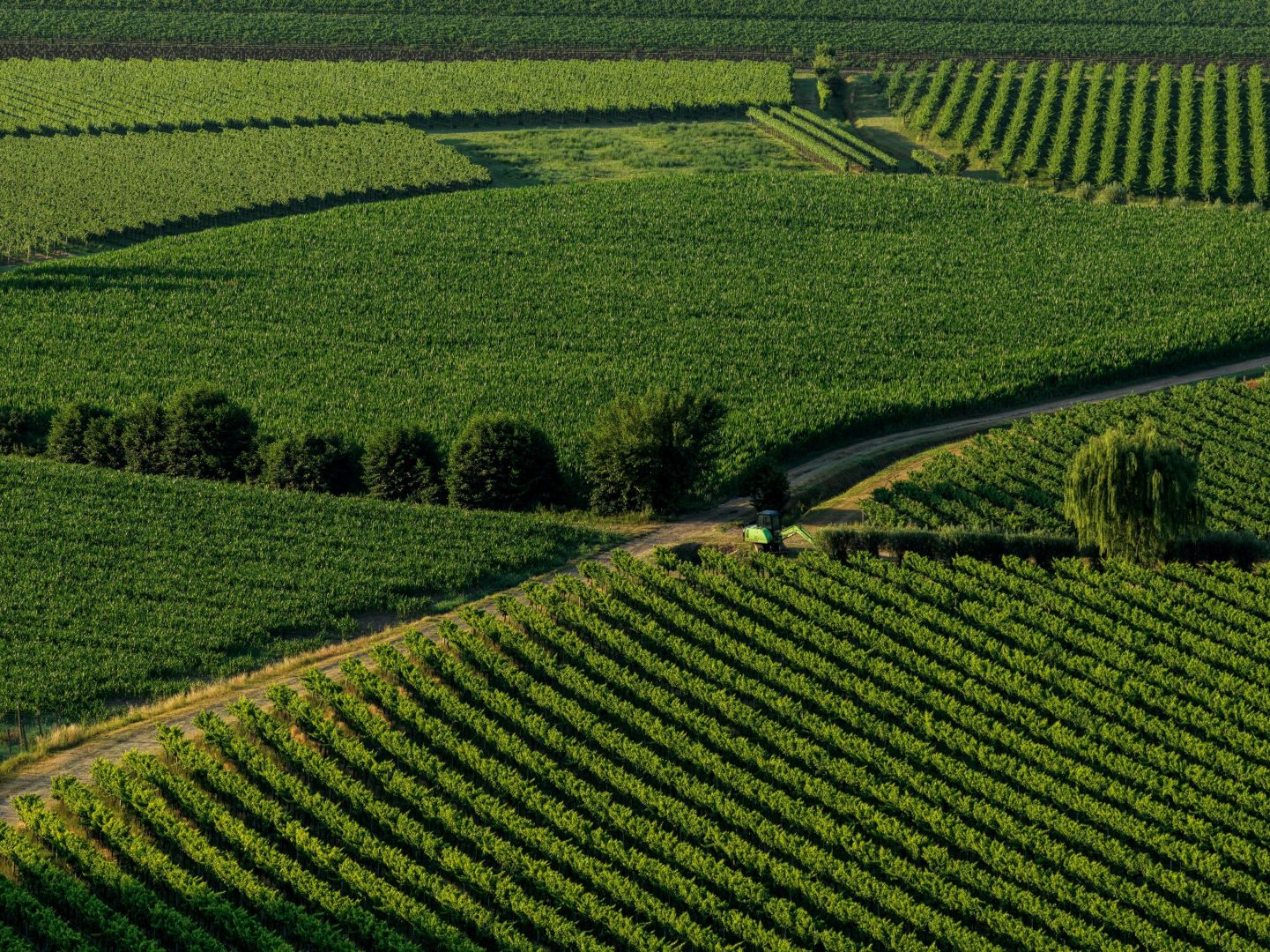
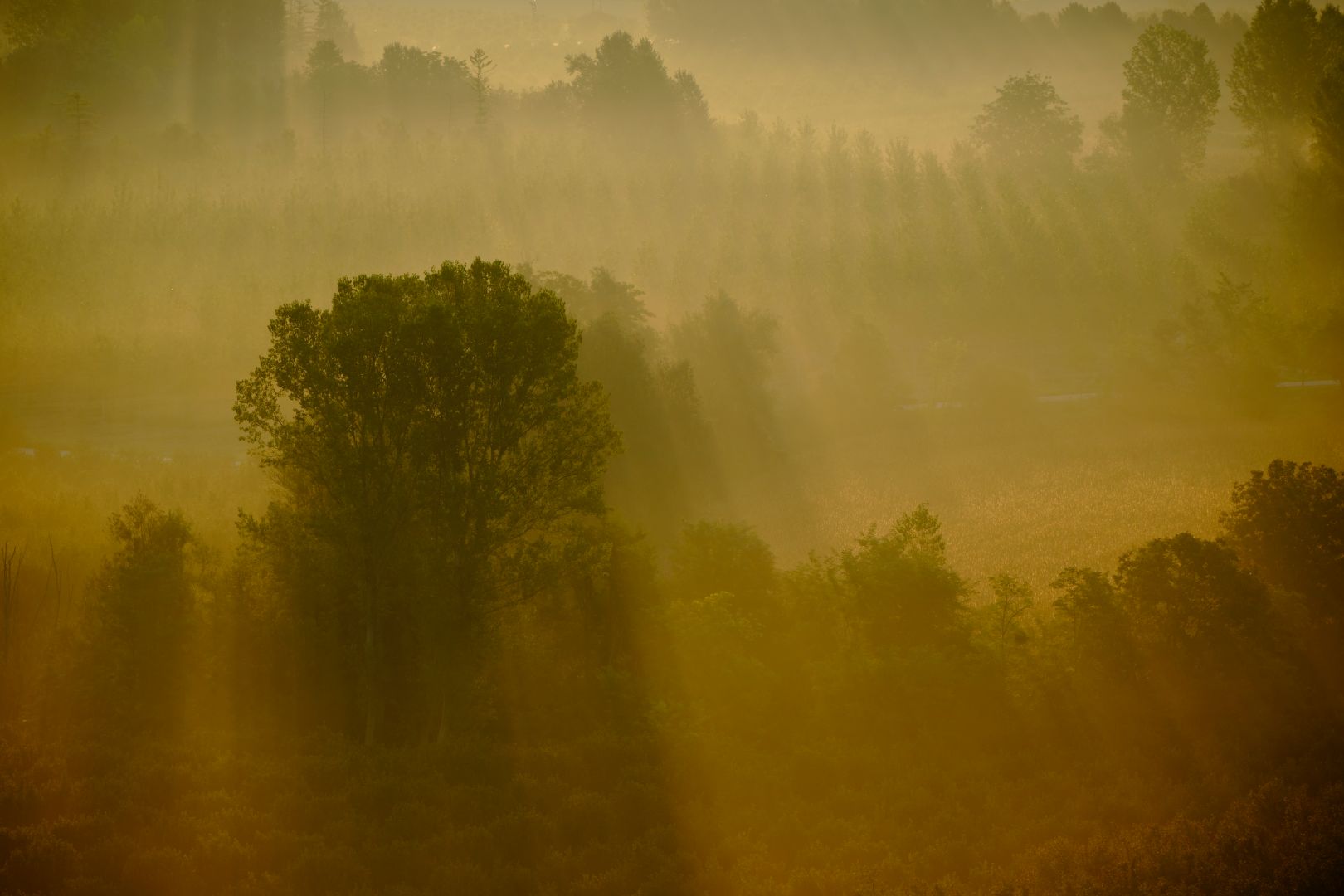
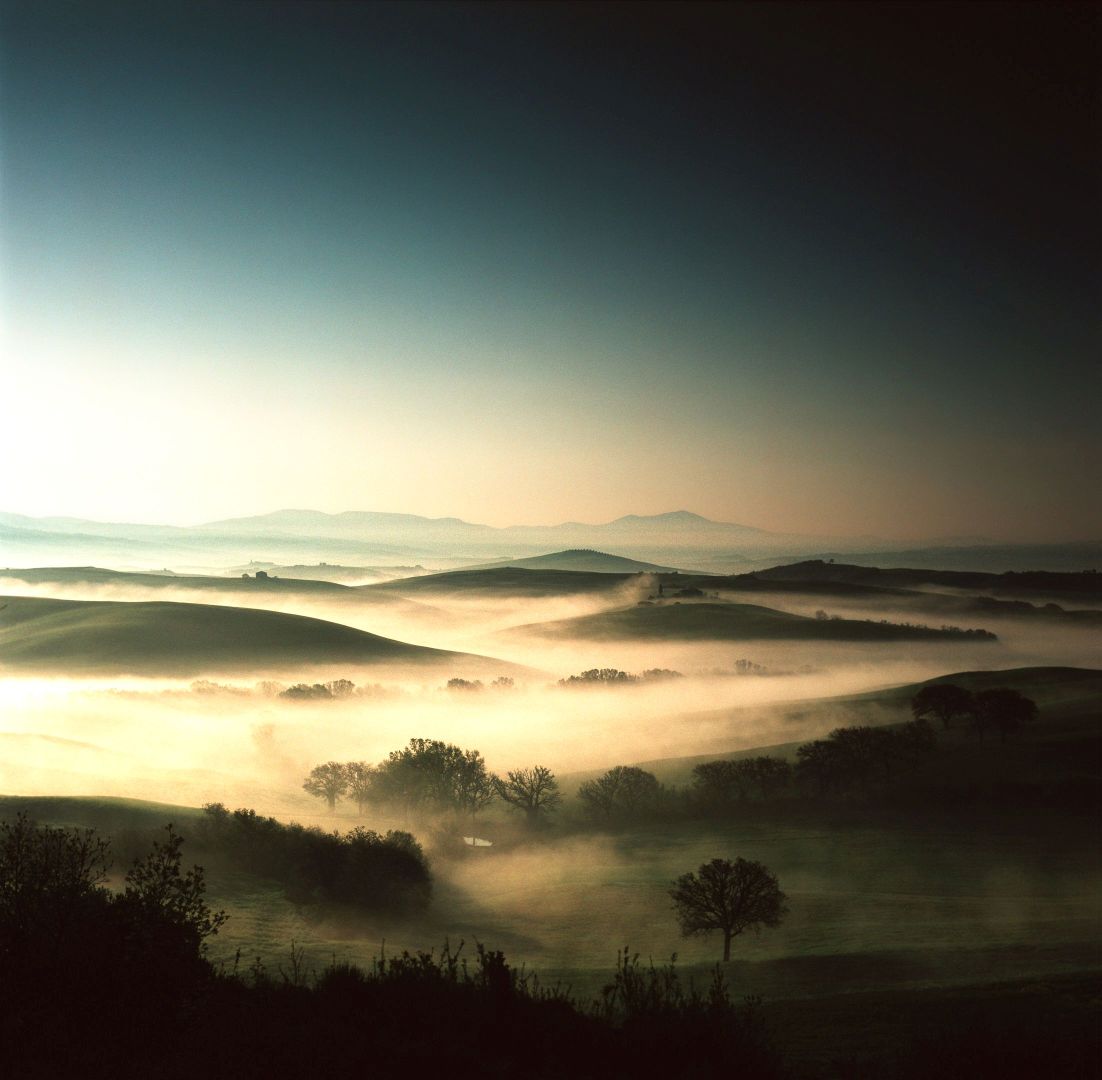
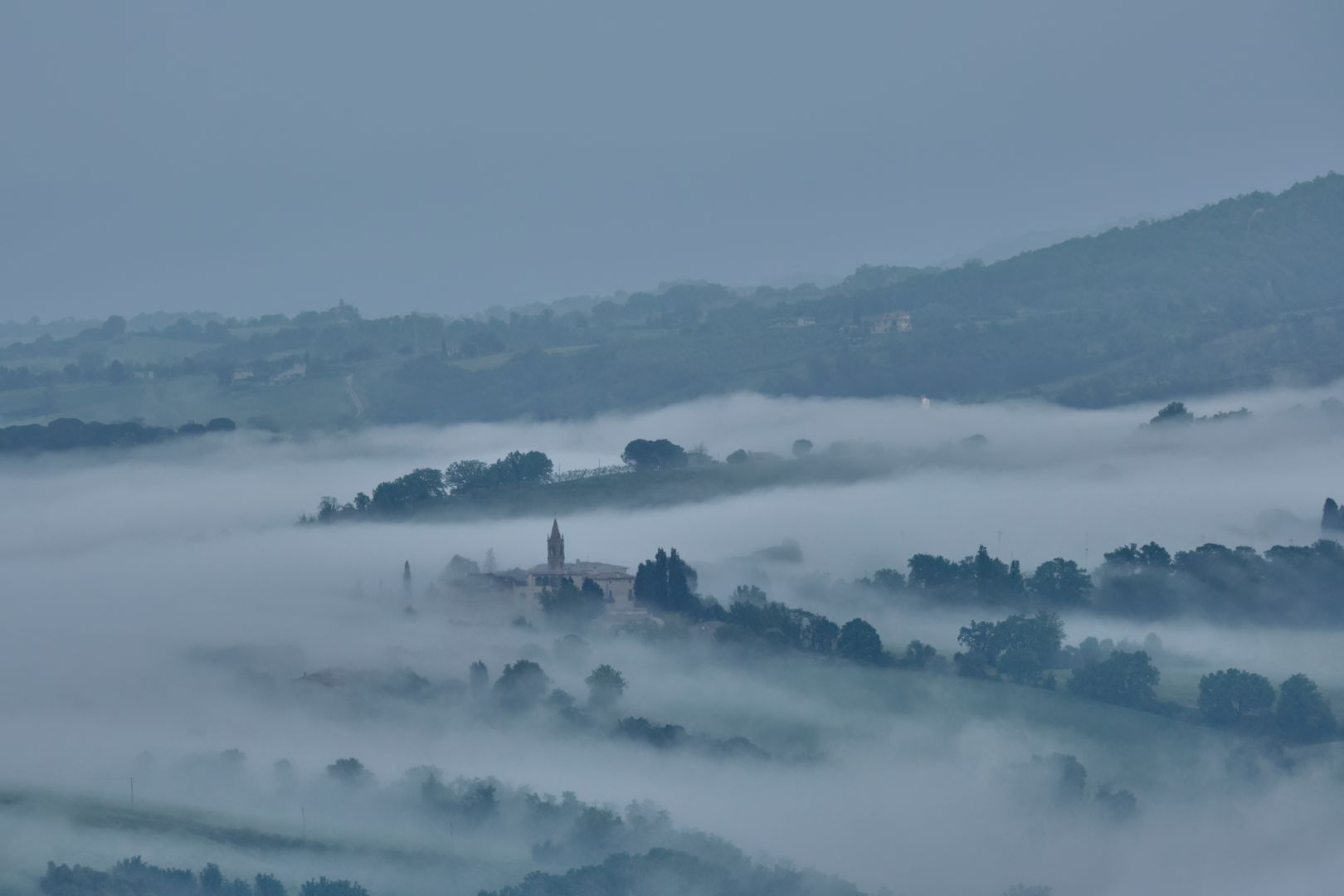
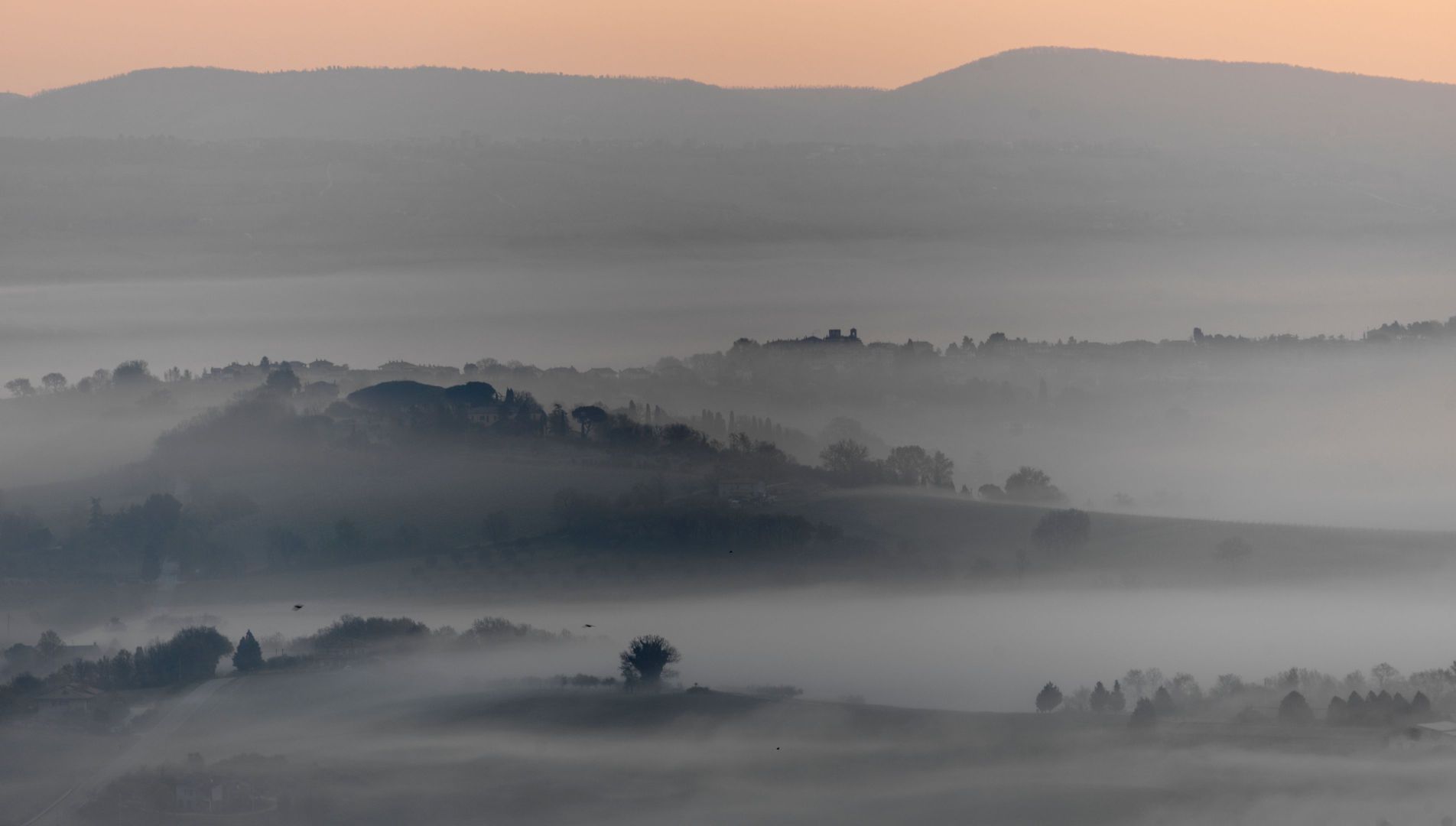
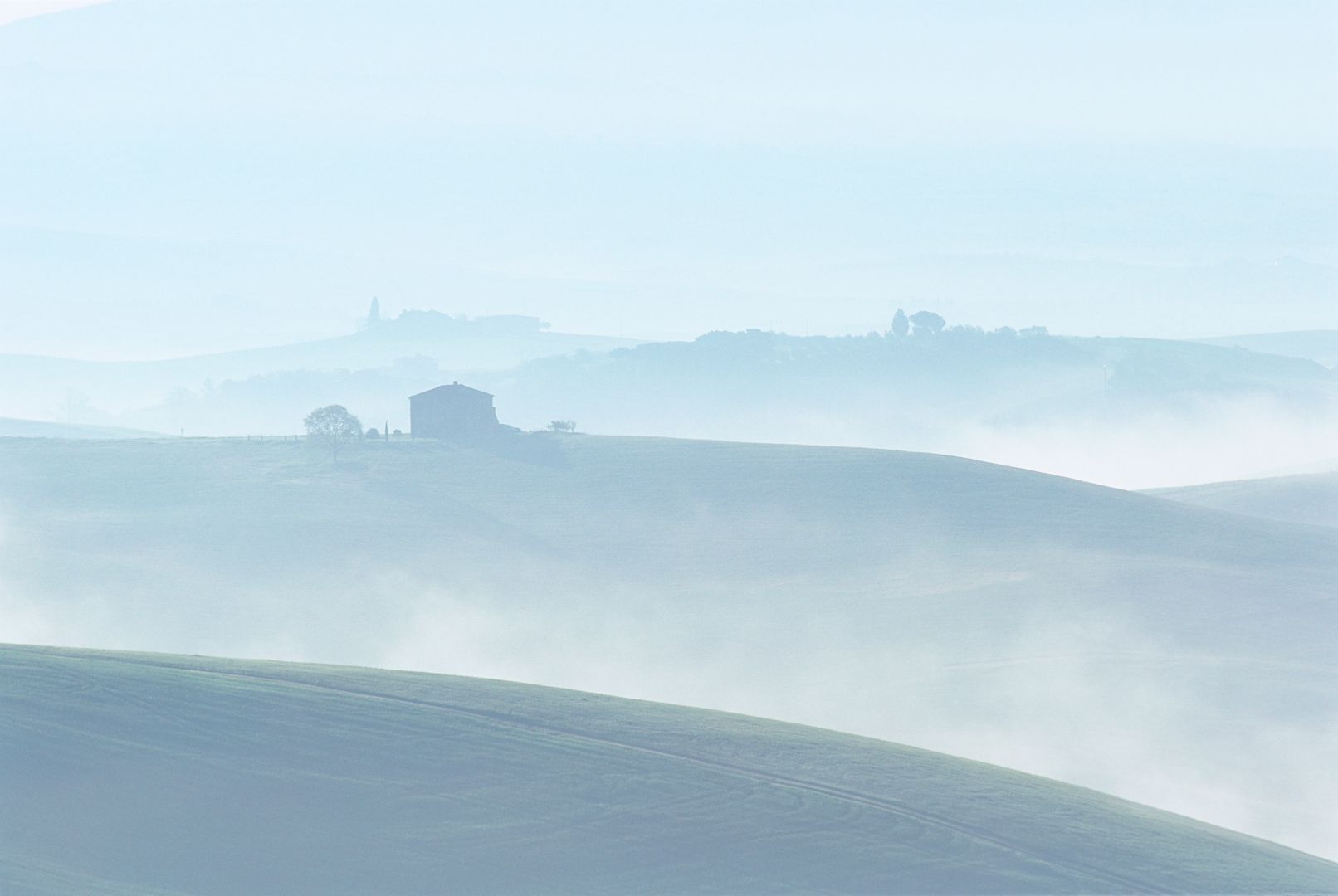
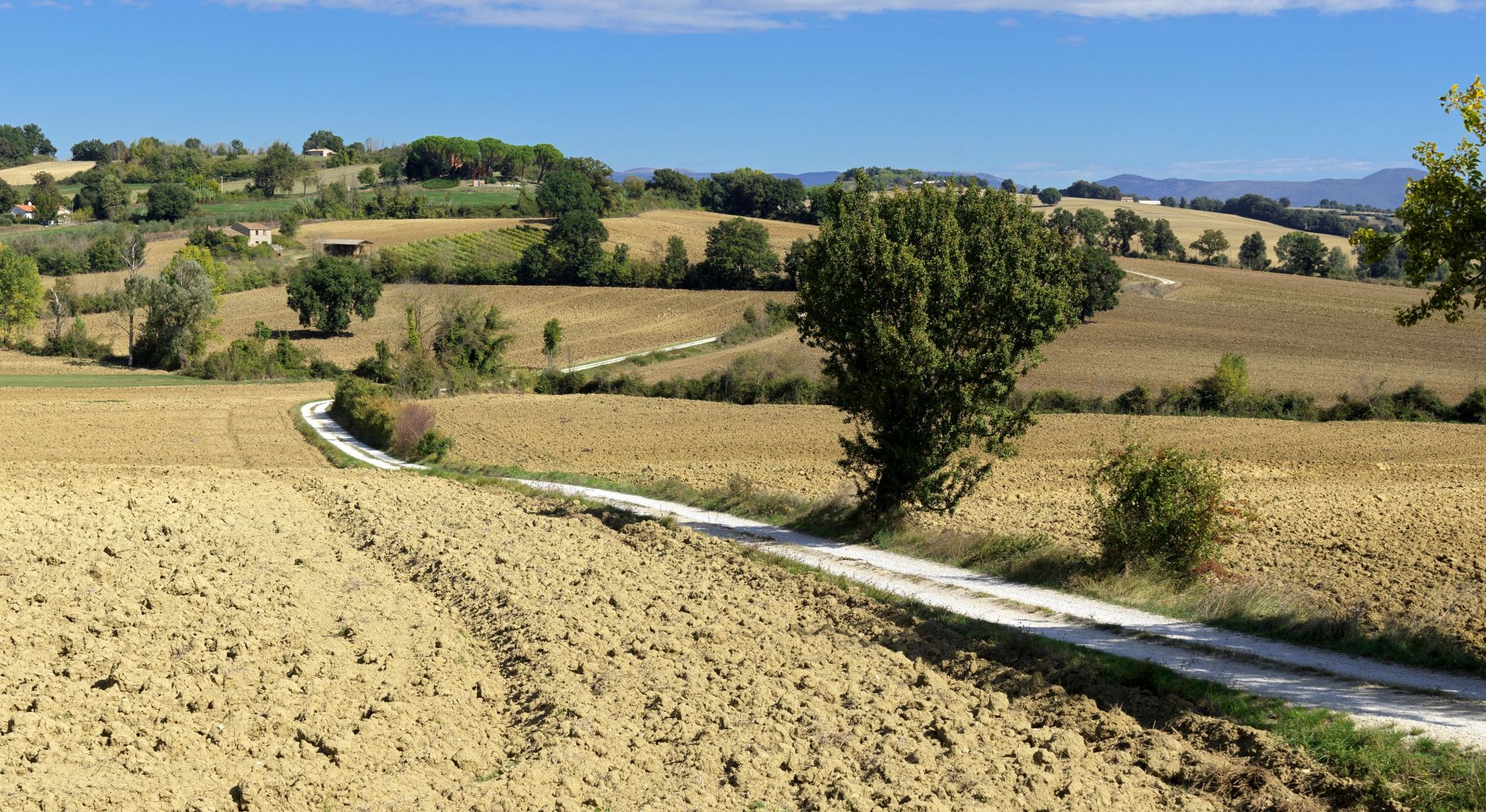
Agriculture, whether ploughing or harvesting, is a great source of repetition in landscape photographs. Here the regular lines left after the harvest serve to accentuate the undulations of the land. Taken in the Val d’Orcia outside Pienza. Fujifilm GFX 50R medium-format digital camera, 32-64mm lens (click to enlarge).And here is a similar effect left by the plough, also in the Val d’Orcia. Horseman 45FA large format camera, Fujinon-W 125mm lens, Kang Tai 6x17cm rollfim back, Fujichrome Velvia 50 120 film, scanned on a Flextight Precision II film scanner (click to enlarge).You can’t beat vineyards for repetition. These are near the town of Barbarano Vicentino, near Vicenza. Hasselblad 501 C/M camera, Zeiss Sonnar C 250mm lens, CFV-50c digital back (click to enlarge).Again at La Morra in Piemonte, the rising sun has created the repetition, as the trees cast long shadows through the mist. Fujifilm X-Pro 3 digital camera, 100-400mm lens (click to enlarge).Sometimes morning mist can do even more, filling the valleys so that the higher ground is sculpted into a series of retreating silhouettes. Taken in the Val d’Orcia on the road between Pienza and San Quirico d’Orcia. Hasselblad 501 C/M camera, Zeiss sonnar C 250mm lens, 6x6cm rollfilm back, Fujichrome Velvia 50 120 film, scanned on a Nikon LS-9000ED film scanner.A similar effect in the Monti Martani near Todi in Umbria. Fujifilm X-Pro 3 digital camera, 100-400mm lens (click to enlarge).A similar shot of the Monti Martani. Hasselblad 501 C/M camera, Zeiss Sonnar C 250mm lens, CFV-50c digital back (click to enlarge).Morning mist again, in the Val d’Orcia. Canon EOS-3 35mm film camera, 100-400mm IS L lens (click to enlarge).
Leading the Eye
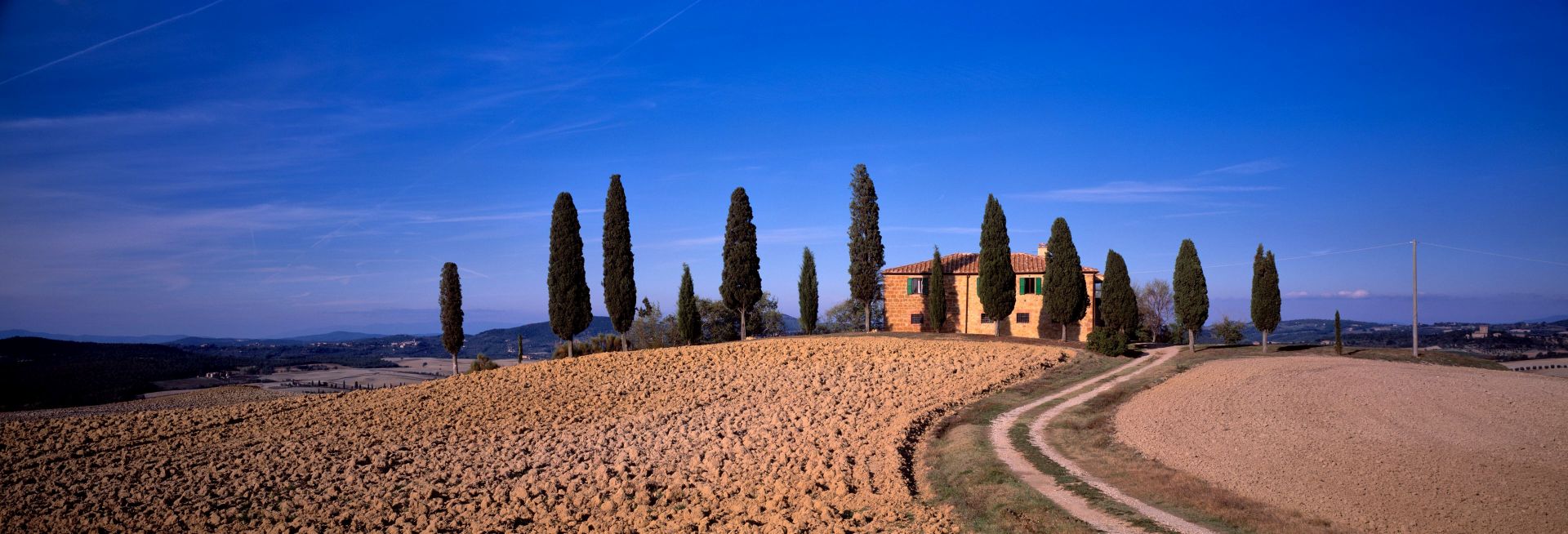
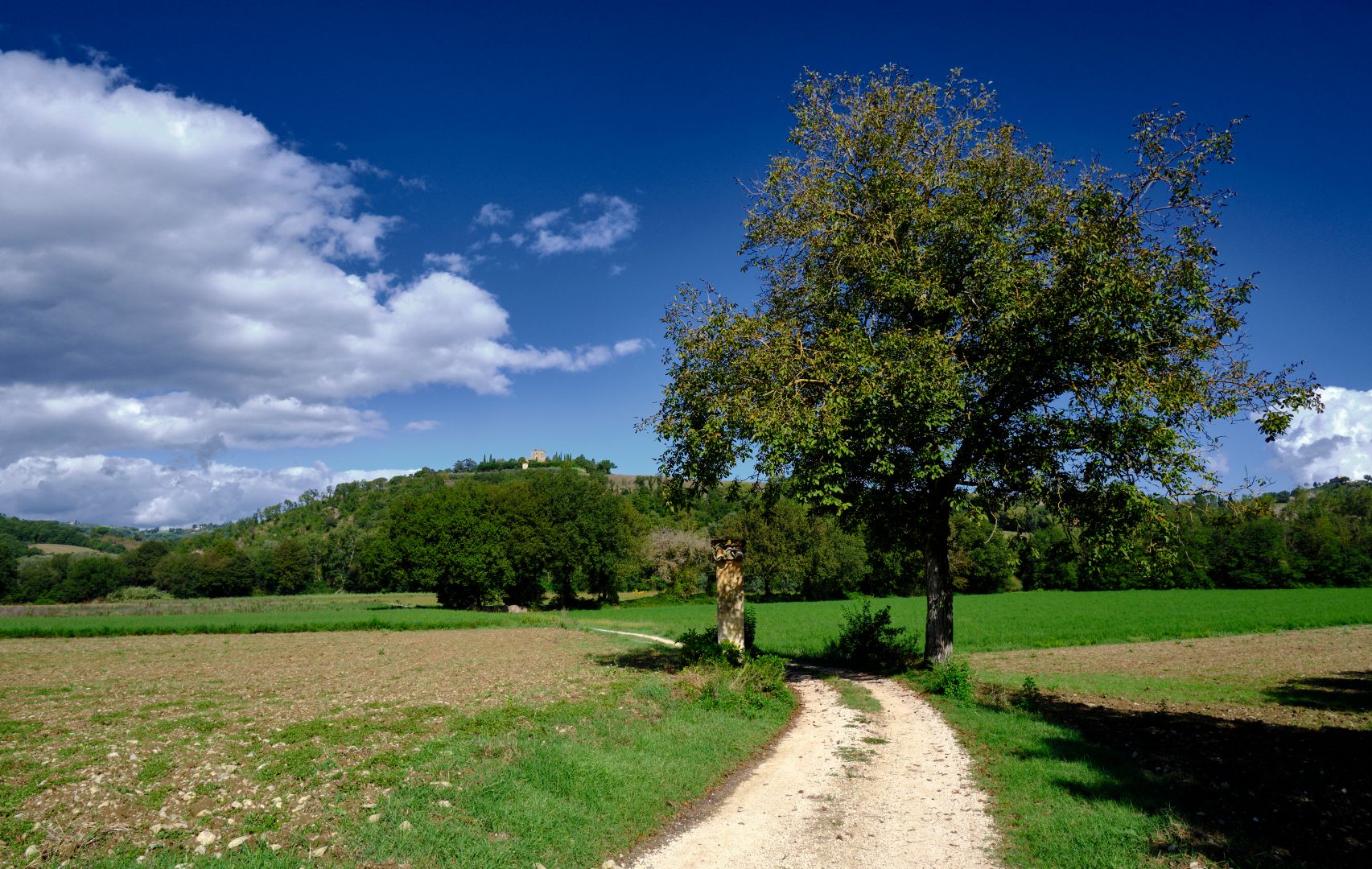
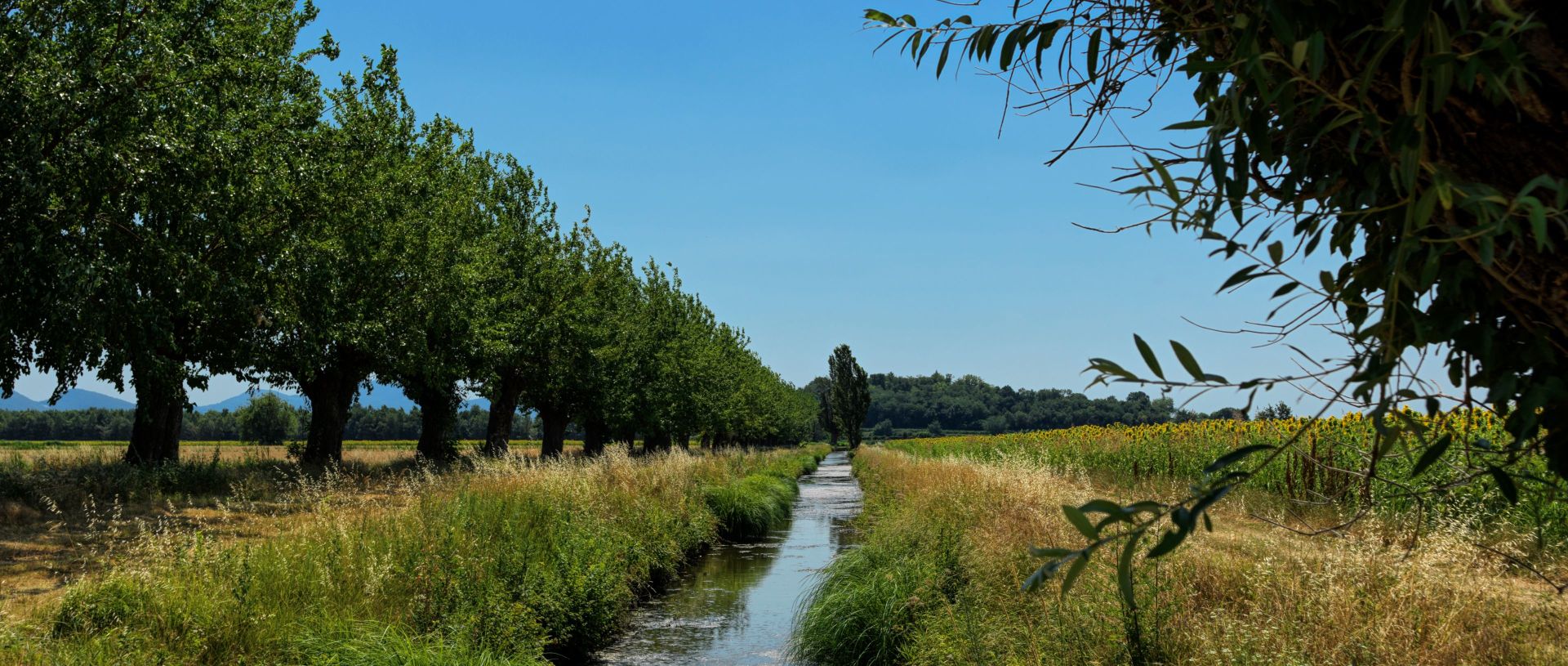
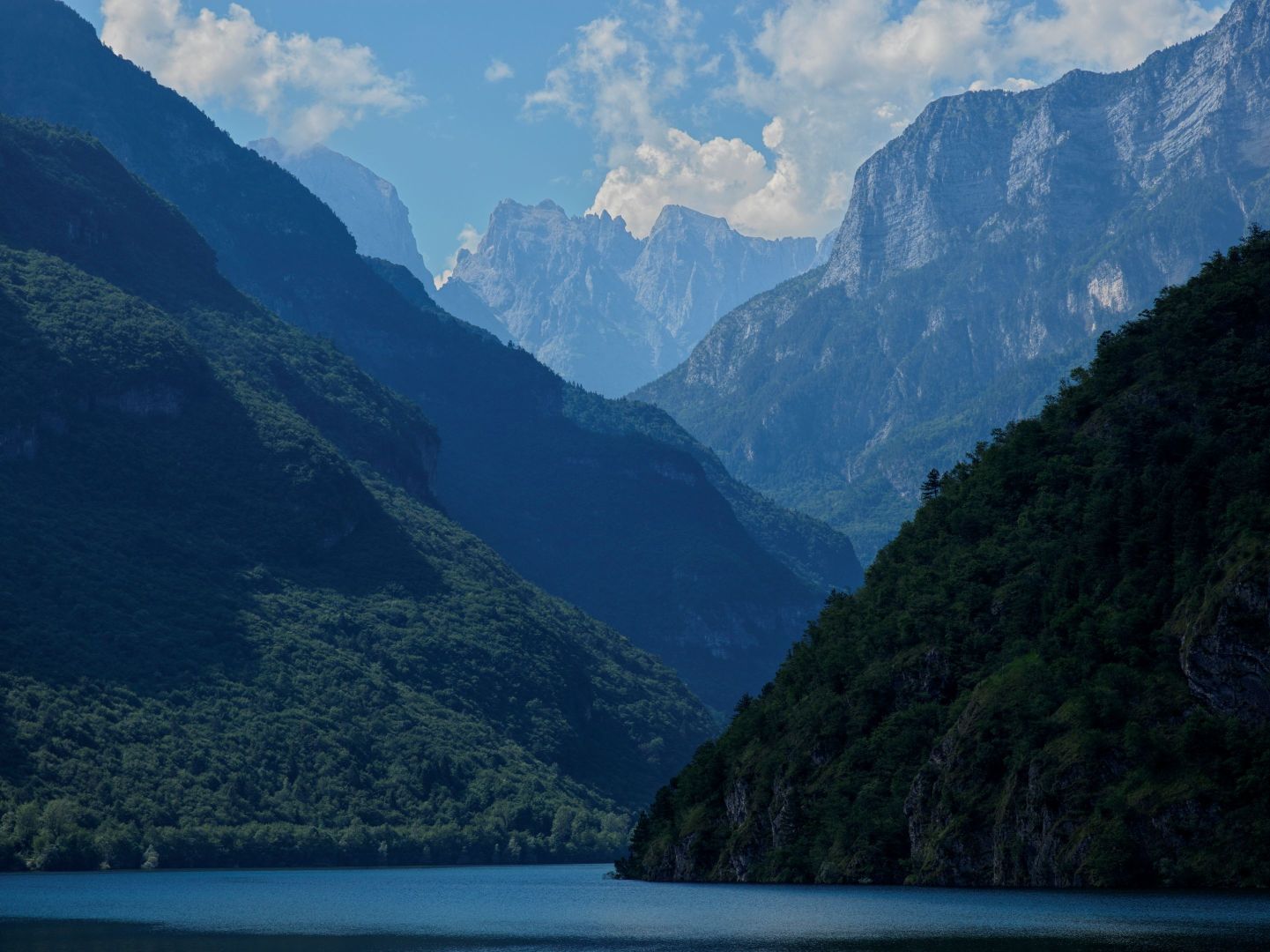
As a photographer, you want to be able to guide the viewer’s eye into a picture. Something that leads the eye (a road, a river, whatever) really helps a composition, giving it a feeling of depth, and turning what might have been an ordinary photograph into something a bit more special – perhaps something that poses questions. Where does the road (or river) lead? What is around the corner?
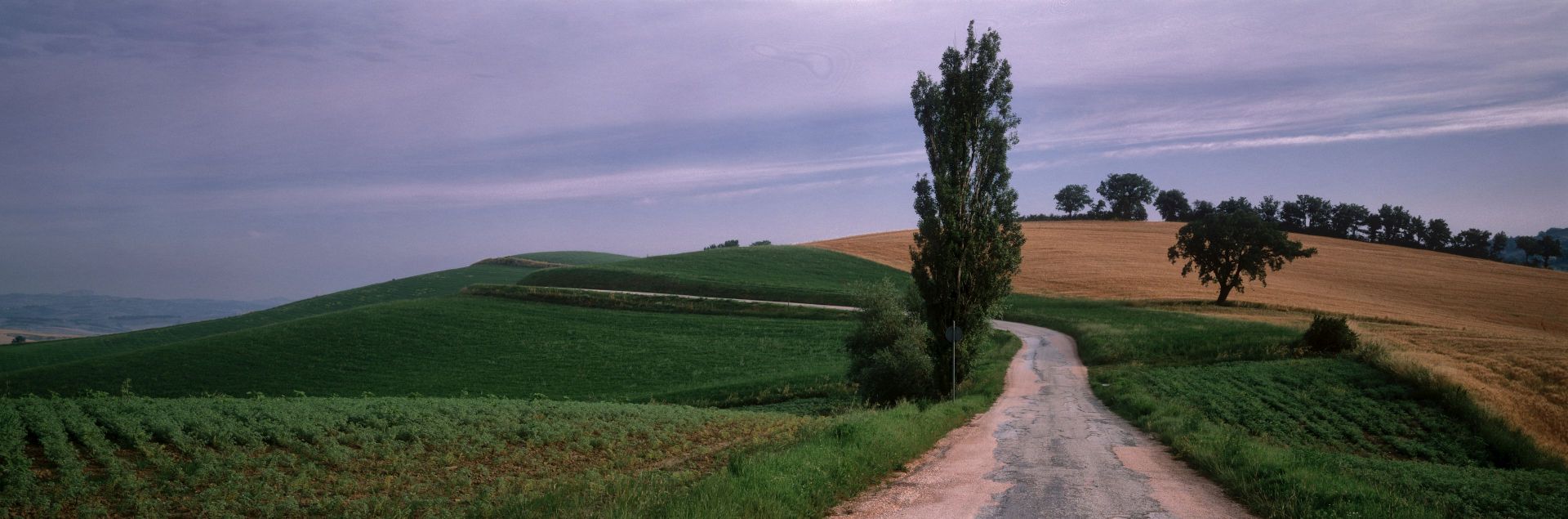
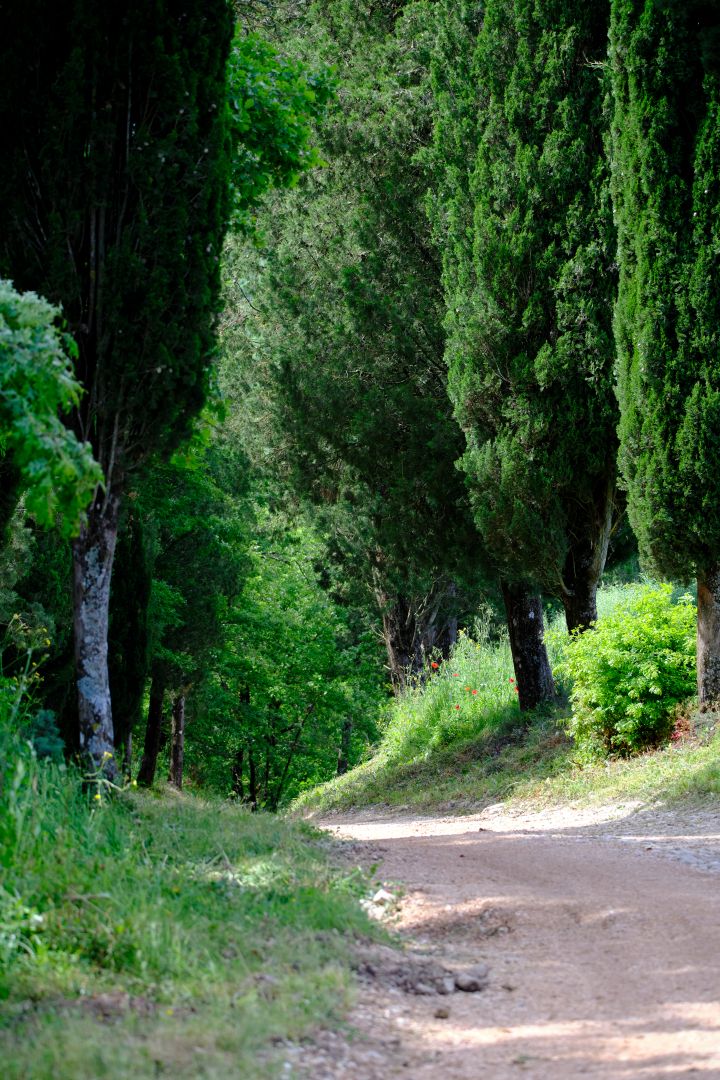
A country road in Le Marche, not far from Urbino. Horseman 45FA large format camera, Nikon Nikkor-W 150mm lens, Kang Tai 6x17cm rollfilm back, Fujichrome Velvia 50 120 film, scanned on an Imacon Flextight II film scanner (click to enlarge).Another country road, this one near the town of Amelia in Umbria. Hasselblad 501 C/M camera, Zeiss Distagon CF 60mm lens, CFV-50c digital back (click to enlarge).Near the village of Pesciano in Umbria. Fujifilm X-Pro 3 digital camera, 100-400mm lens (click to enlarge). This much photographed farmhouse (now inevitably used for tourist accommodation) is just outside Pienza in Tuscany. Horseman 45FA large format camera, Fujinon-W 125mm lens, Kang Tai 6x17cm rollfilm back, Fujichrome Velvia 50 120 film scanned on an Imacon Flextight II film scanner (click to enlarge).The “Sentiero del Furioso”, a walking track that follows part of the course of the River Tiber in Umbria. Fujifilm X-Pro 3 digital camera, 16mm lens (click to enlarge).Near the town of Toara in the Veneto, an irrigation ditch, a line of trees and the edge of a field of sunflowers all draw the eye from the foreground into the distance. Hasselblad 501 C/M camera, Zeiss Distagon CF 40mm lens, CFV-50c digital back (click to enlarge).The Lago del Mis, in the Dolomites. The lake curves around to the right out of sight, but the receding mountains on either side continue to draw the eye into the distance. Hasselblad 501 C/M camera, Zeiss Sonnar CF 150mm lens, CFV-50c digital back (click to enlarge).
And that’s it. I hope you liked the photographs. Next post will be a bit more about history, I think.
Beautiful photos – I just found out about your blog and will check in more often. Do you allow people to use your photos with full credit of course?
All the best,
Irena
Thanks! Within reason you are welcome to use my photos with attribution. Attribution should read “Photograph by Stewart Skelt”. By “within reason” I mean for non-commercial purposes. If you want to propose commercial use, again, get in touch and we can discuss. However the photographs on here are downscaled and fairly heavily compressed for web use, so lose quite a bit of quality. If you would like to use a photograph at the original resolution, you can request it as a comment on the relevant post and I’ll find a way to get it to you.
Beautiful photos – I just found out about your blog and will check in more often. Do you allow people to use your photos with full credit of course?
All the best,
Irena
Thanks! Within reason you are welcome to use my photos with attribution. Attribution should read “Photograph by Stewart Skelt”. By “within reason” I mean for non-commercial purposes. If you want to propose commercial use, again, get in touch and we can discuss. However the photographs on here are downscaled and fairly heavily compressed for web use, so lose quite a bit of quality. If you would like to use a photograph at the original resolution, you can request it as a comment on the relevant post and I’ll find a way to get it to you.
Thanks for your prompt response. Sure, I’ll do that.