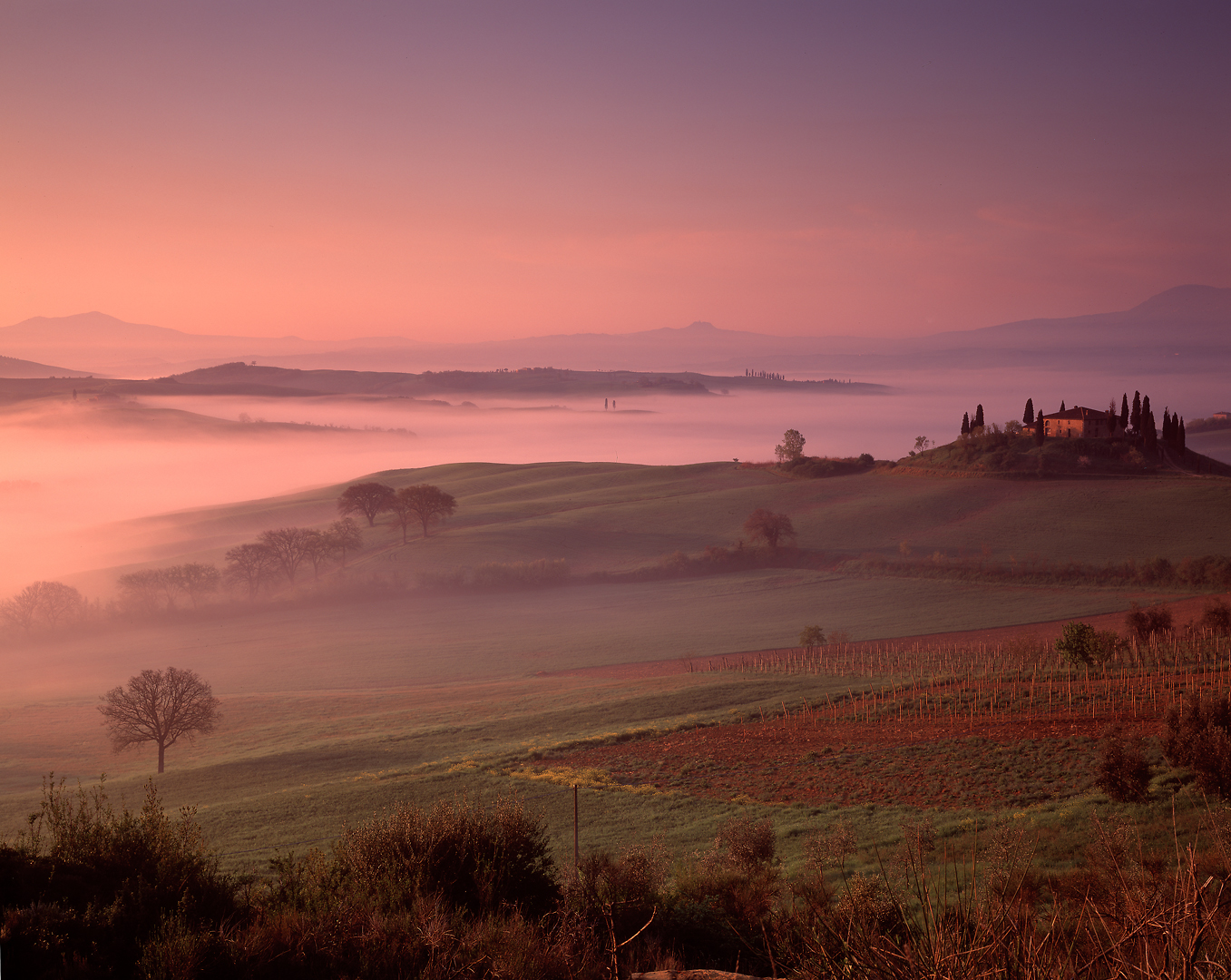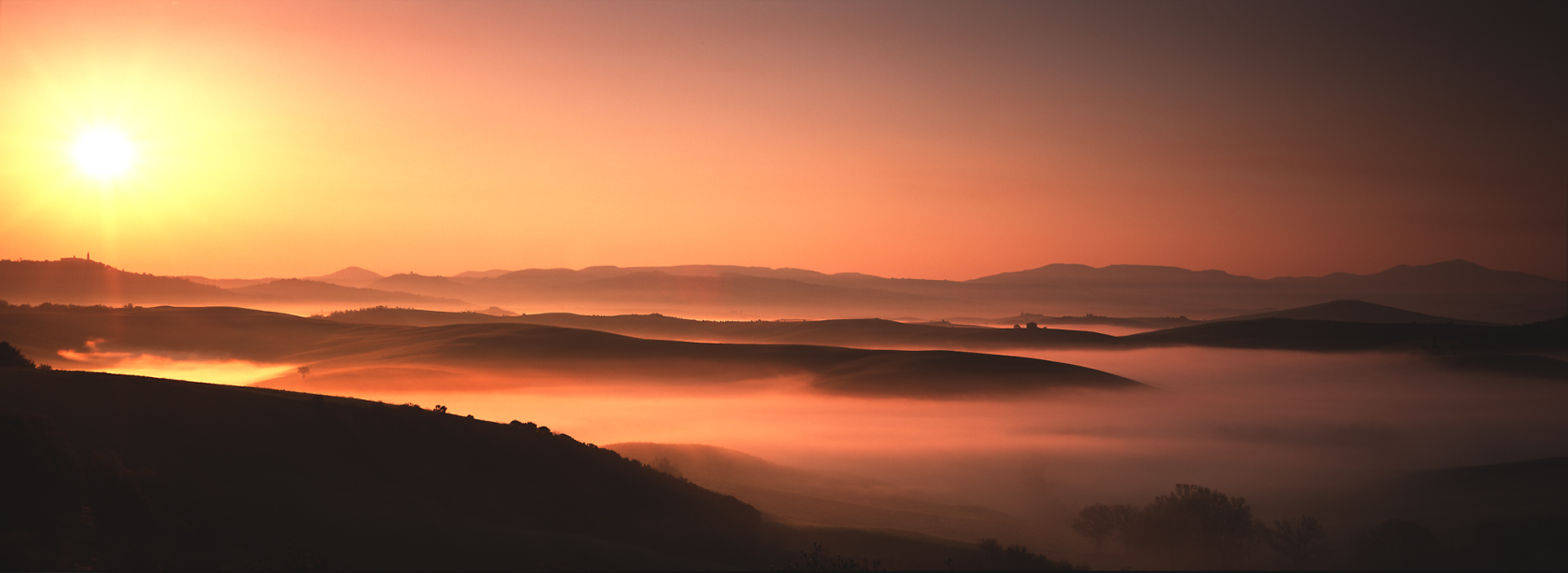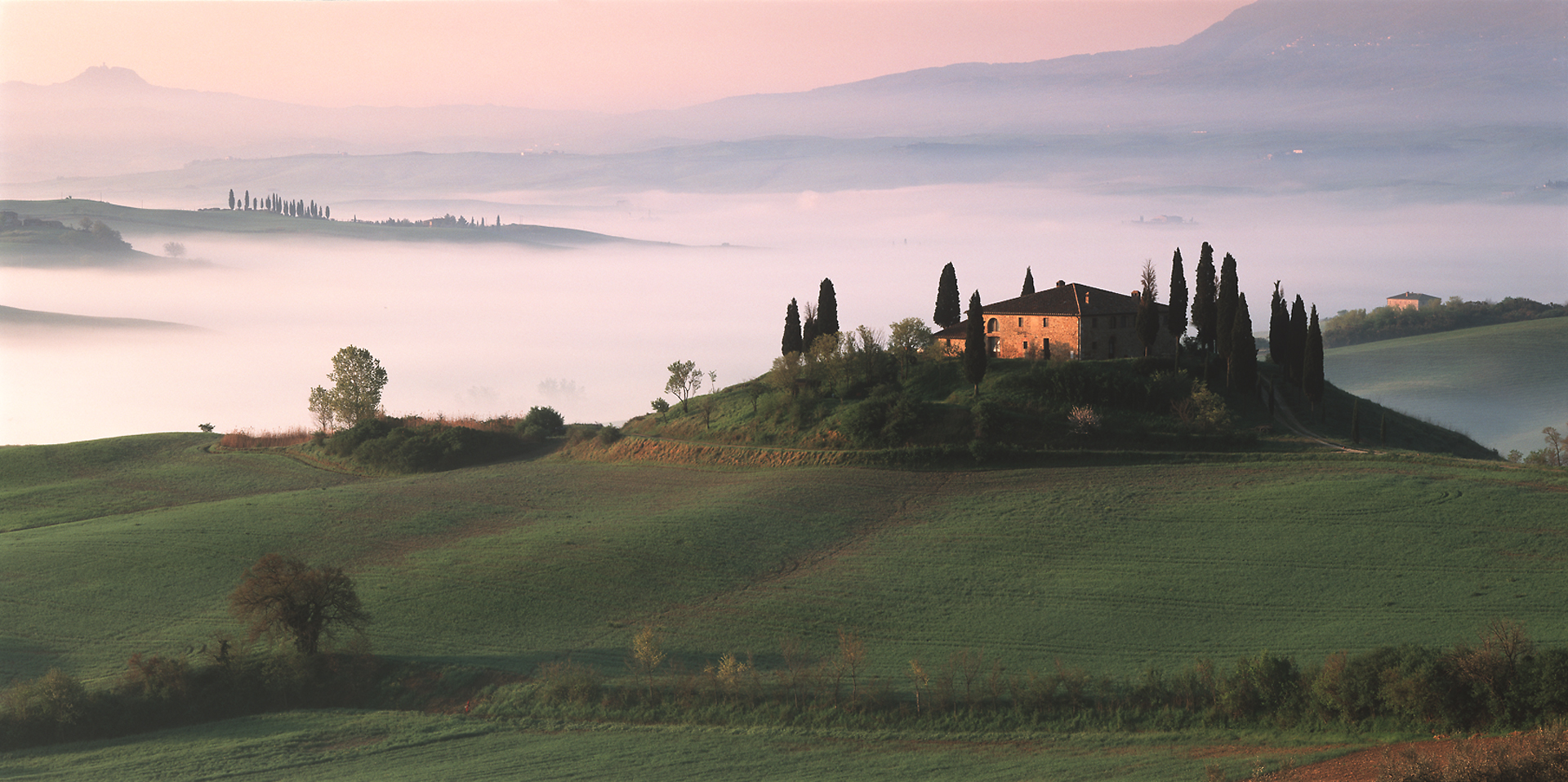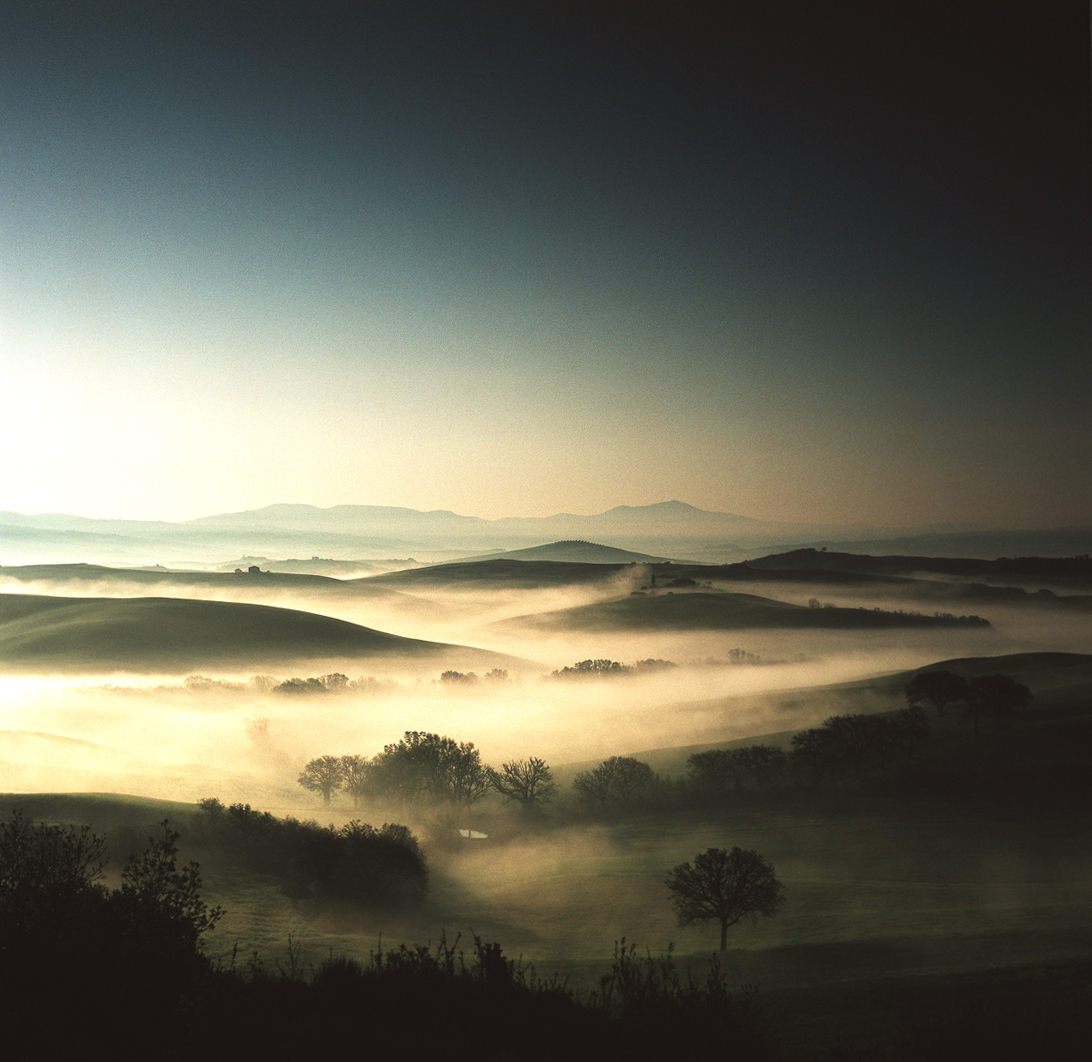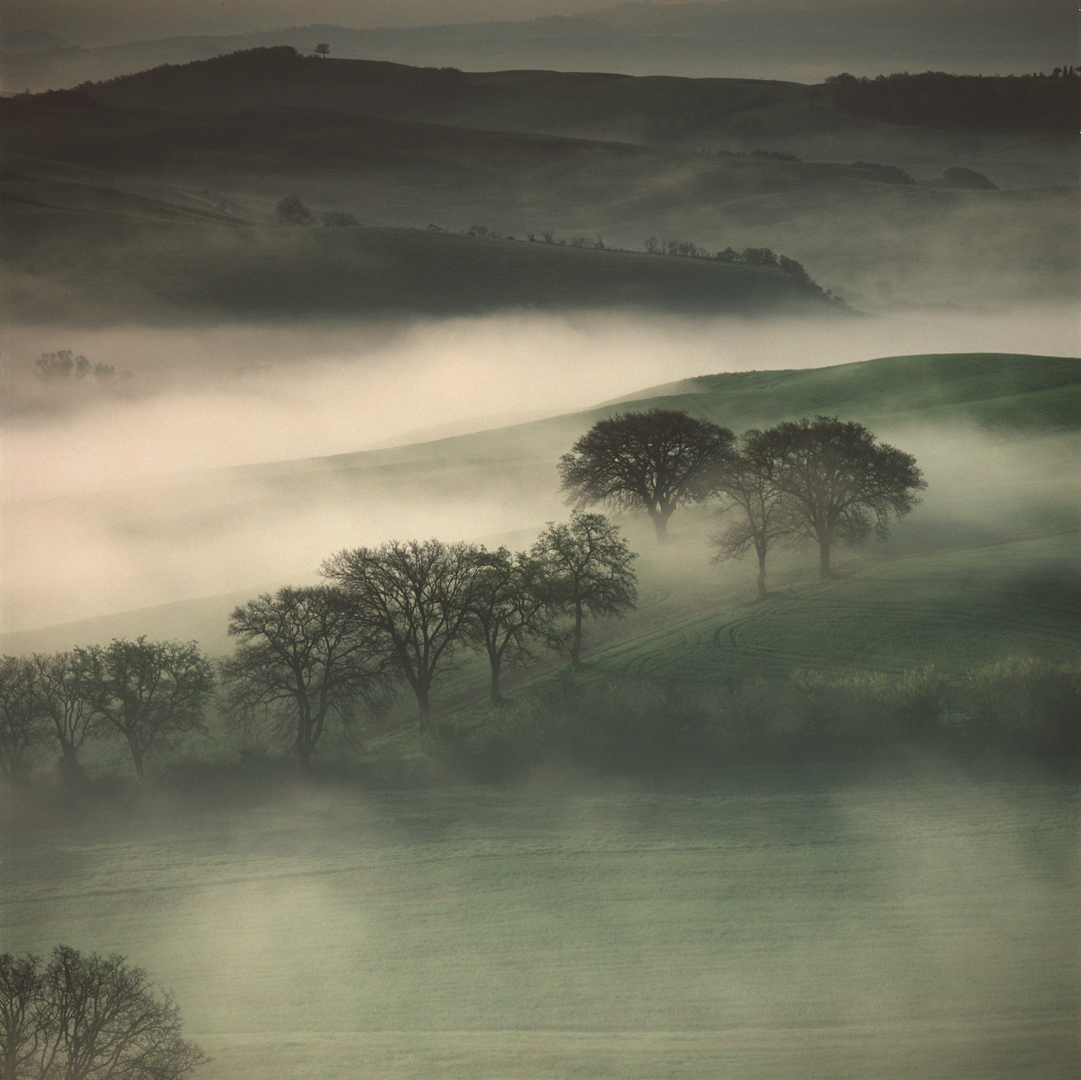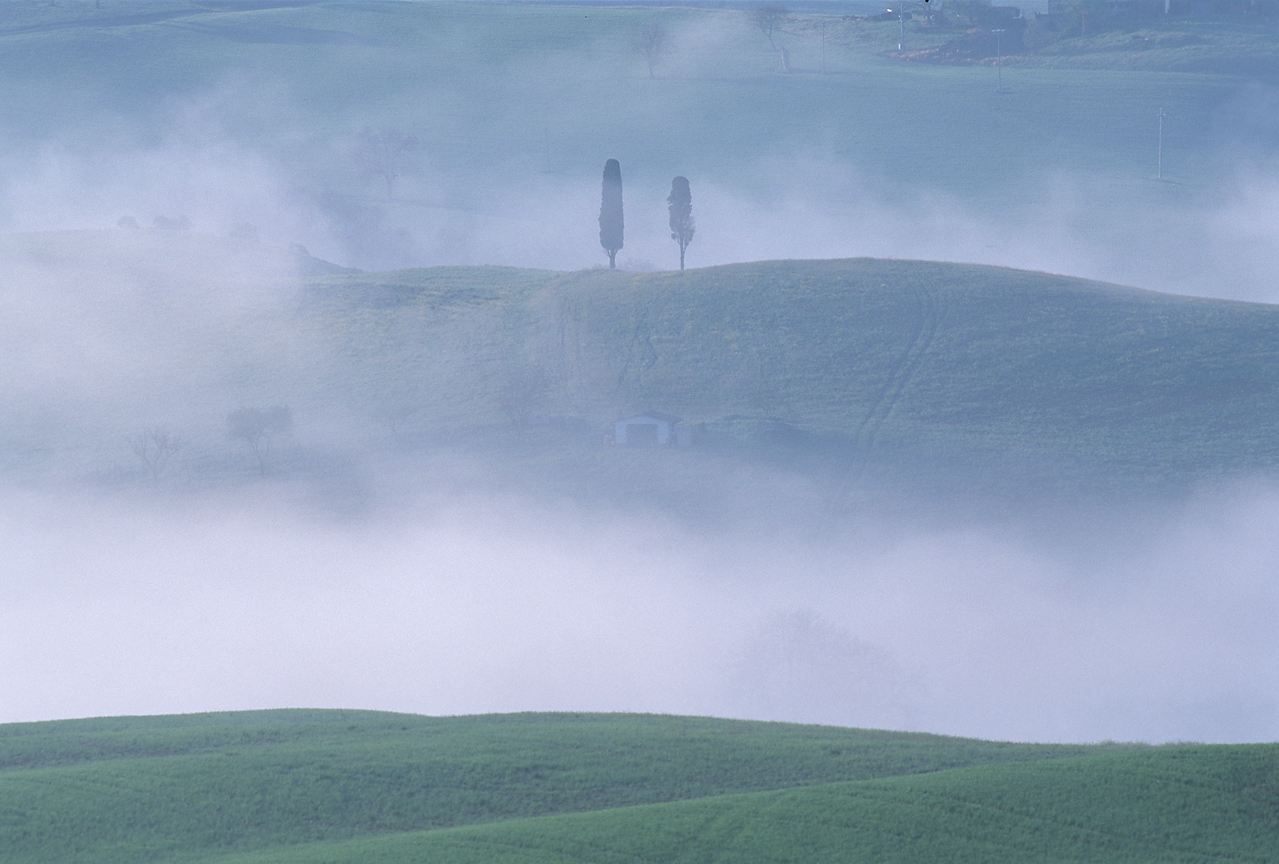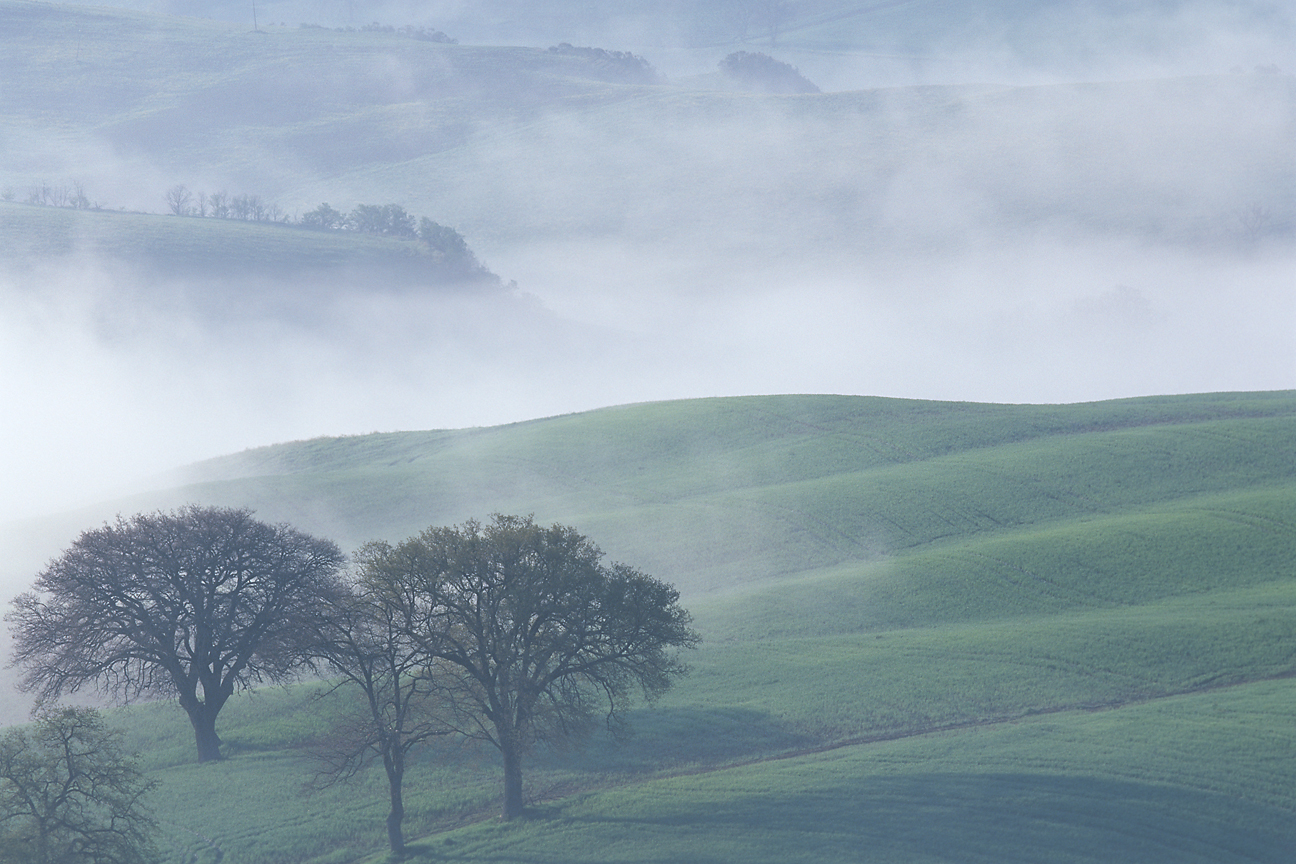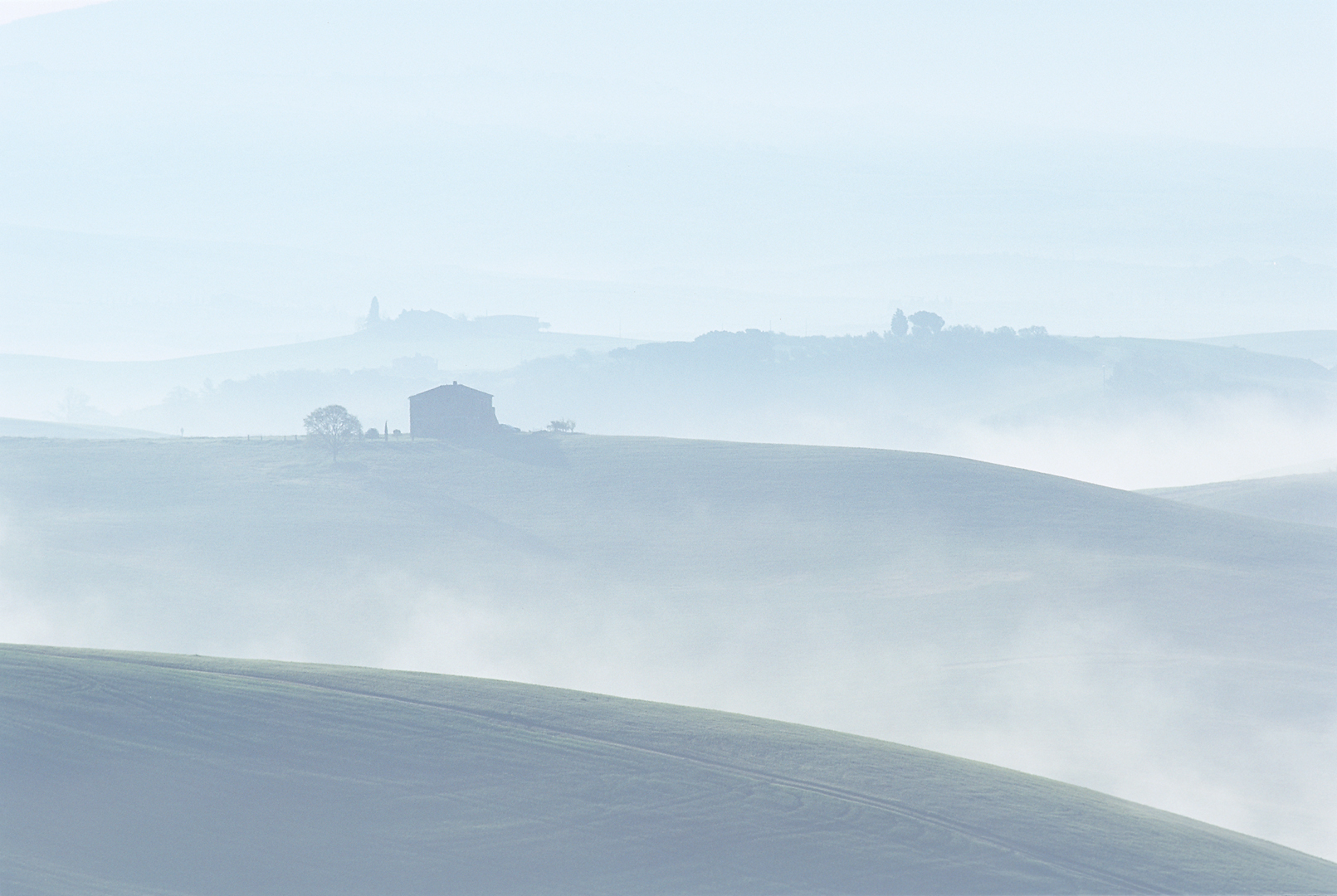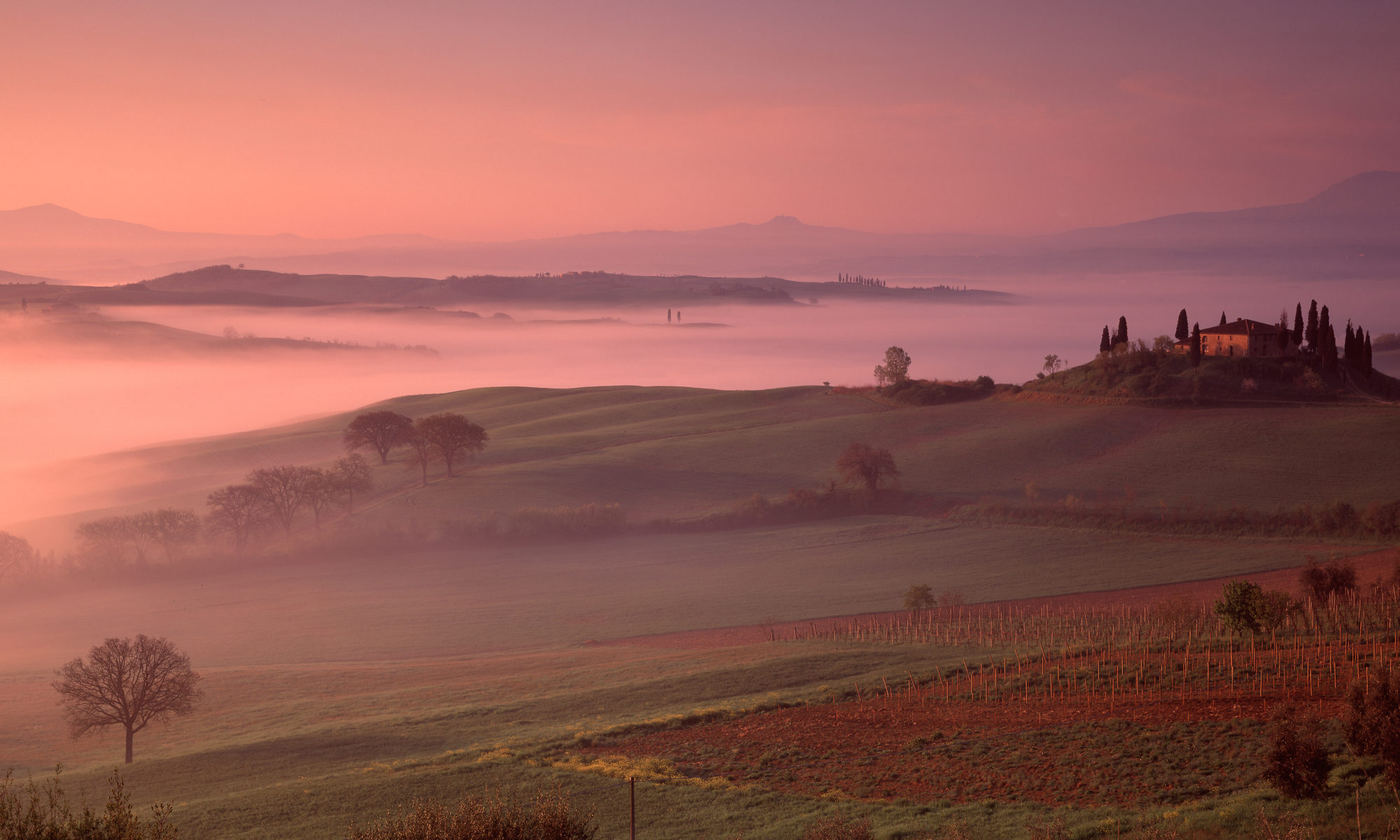
In this post I will put the history part of the blog aside for a moment, and talk instead about landscape photography in Italy. This is after all supposed to be a blog about history AND photography, but I do feel a bit diffident whenever it sounds as if I am offering advice on photographic technique. The reason is simple – there are many very talented photographers publishing their work on the internet and offering technical advice and it feels a bit presumptuous to be comparing myself to them, if only implicitly.
But recently I was looking at the work of a photographer who specialises in the man-made landscape, in particular scenes of urban decay, and accidental geometric shapes and patterns. You can find his YouTube videos here. The results are not always my cup of tea, but I found myself watching partly because he uses the same medium format camera as me (Fujifilm GFX 50R) and partly because I was fascinated by the amount of care he puts into composition. That got me thinking about one aspect of my photography that I do enjoy very much, which is looking for patterns, not in derelict industrial sites, but in the landscape.
And by a fortunate coincidence, it turns out that I have quite a few photographs of Italy that could illustrate this, taken on a range of film and digital cameras over the course of about twenty years. So here we go.
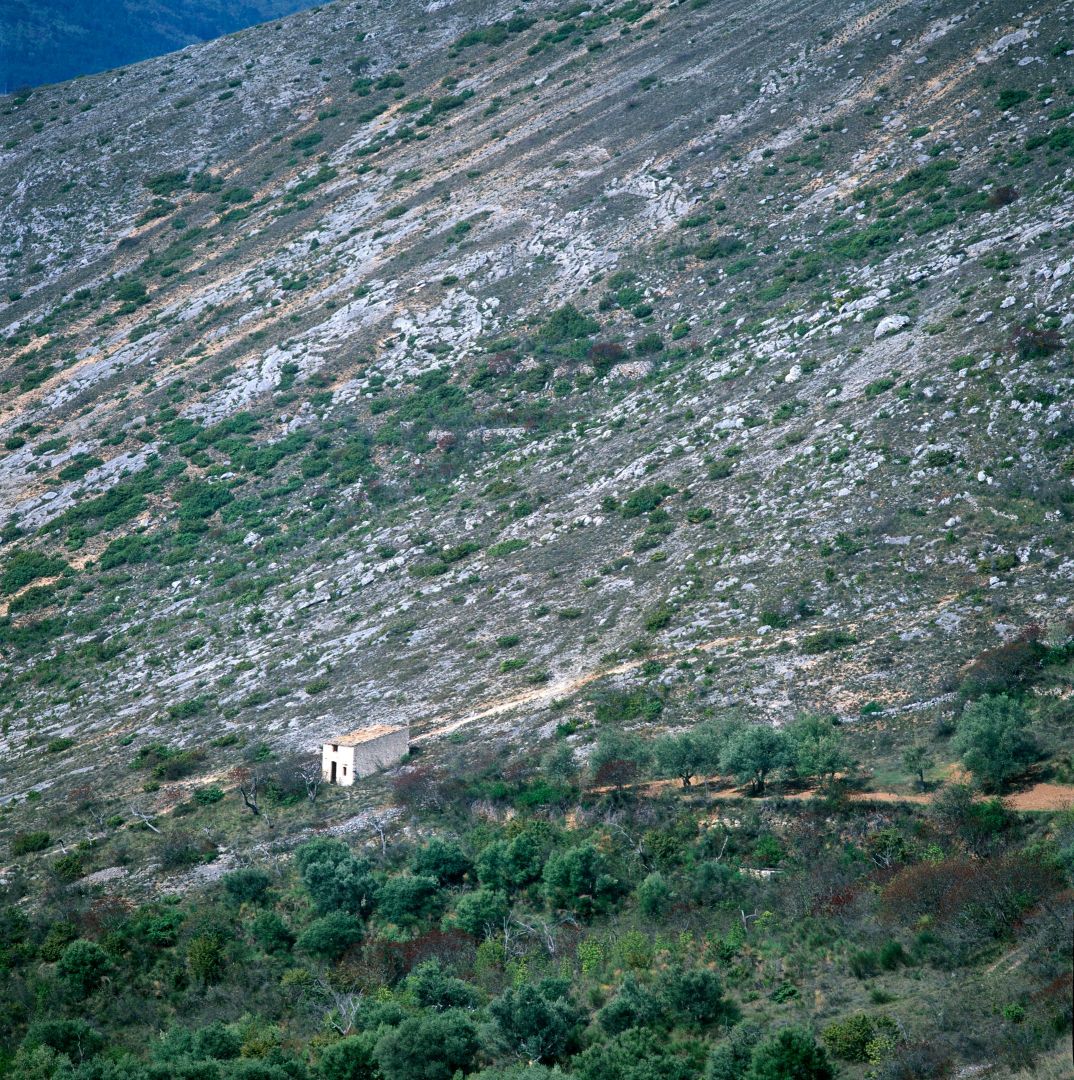
Shapes
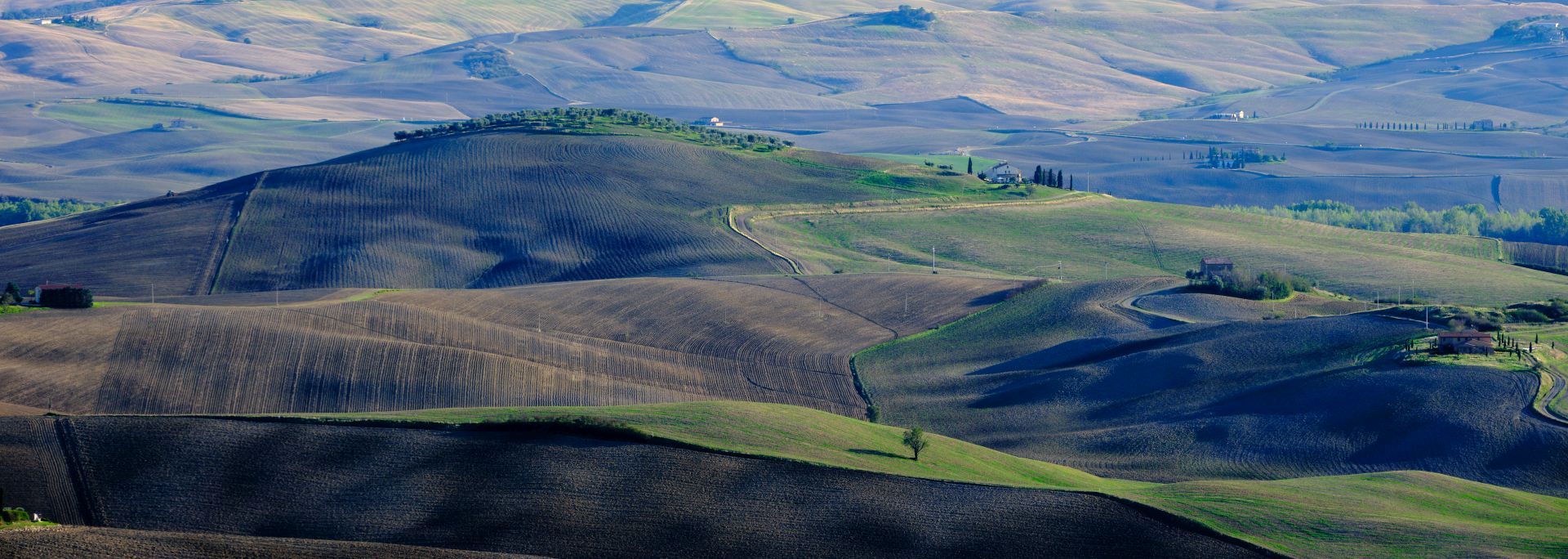
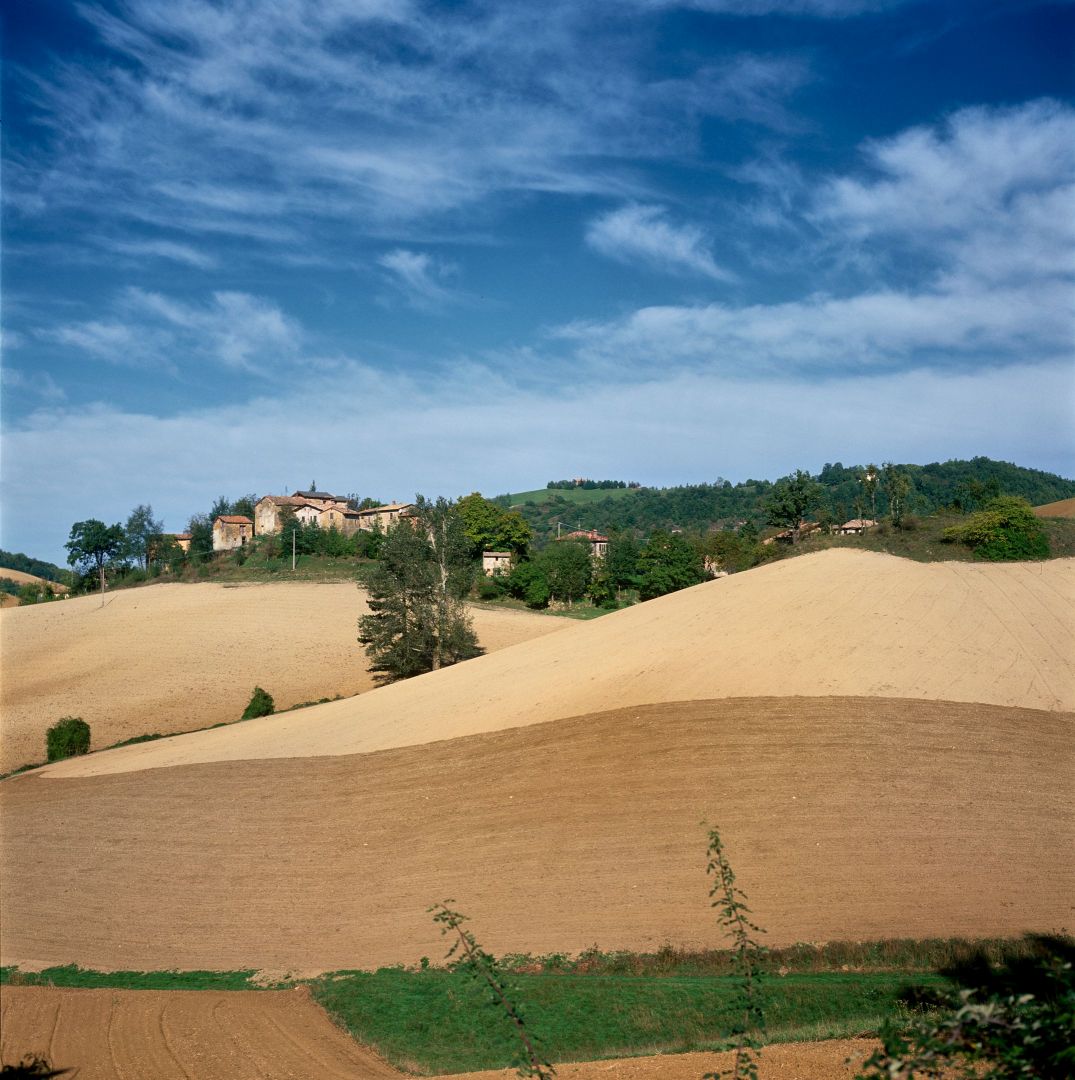
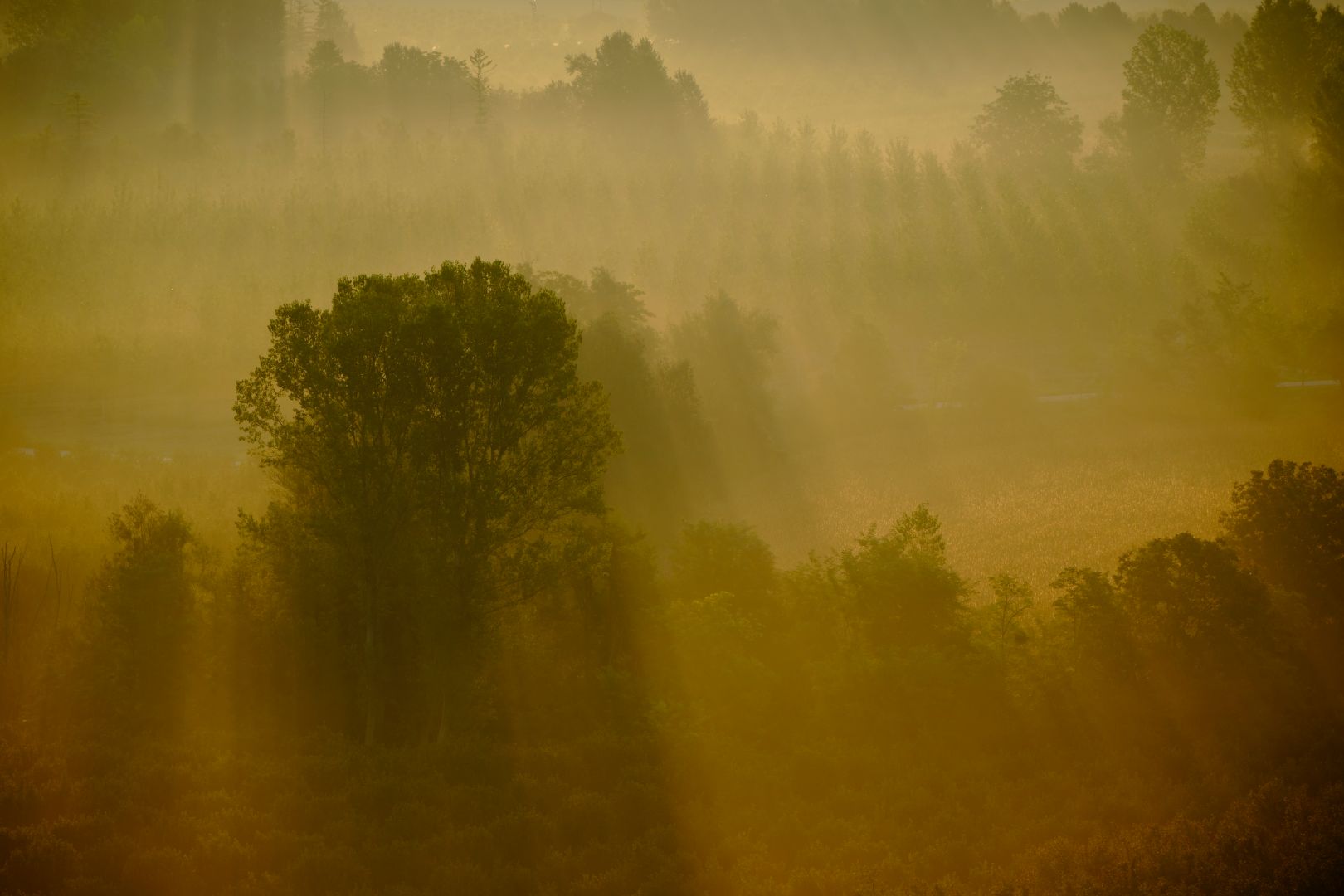
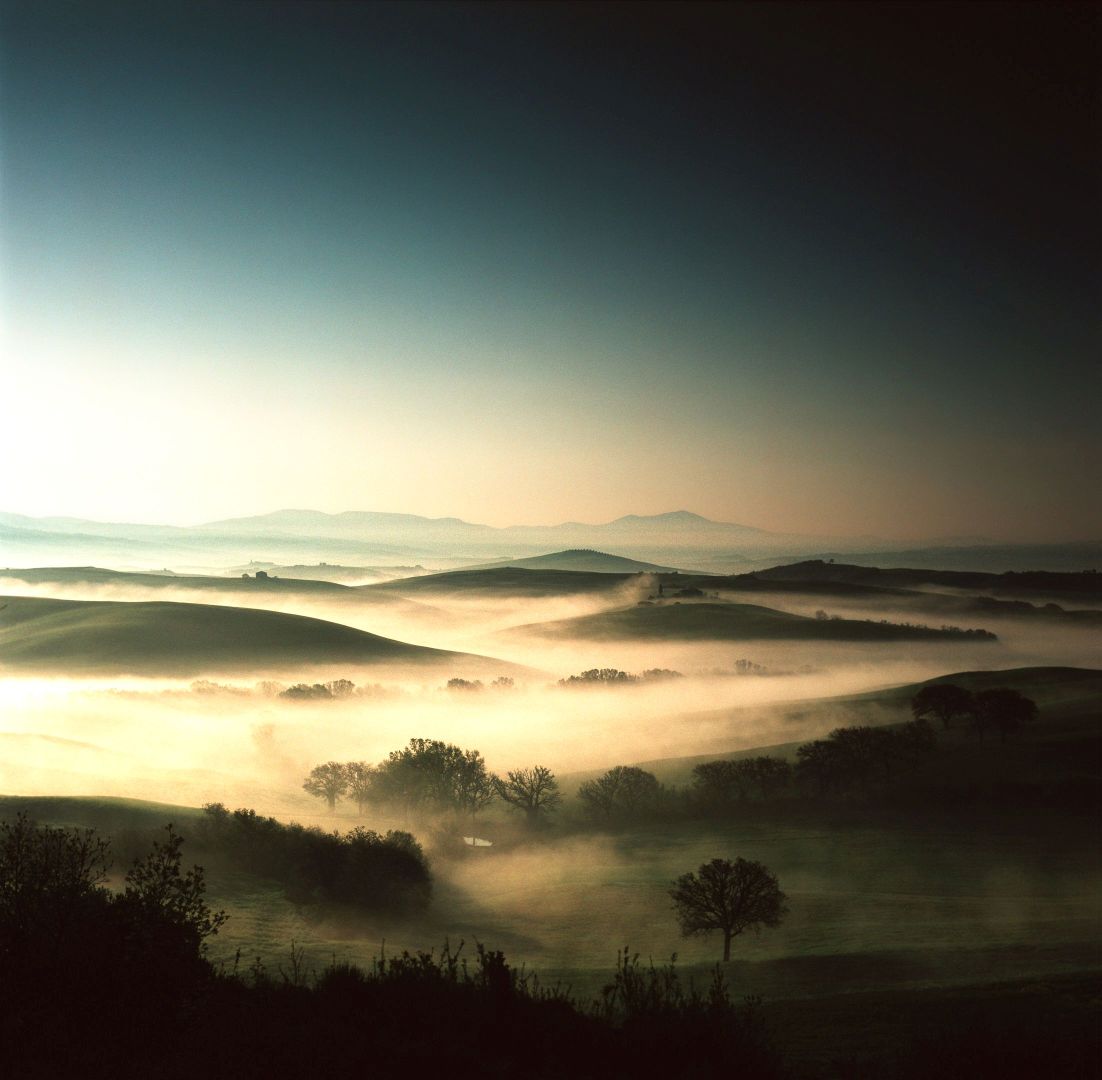
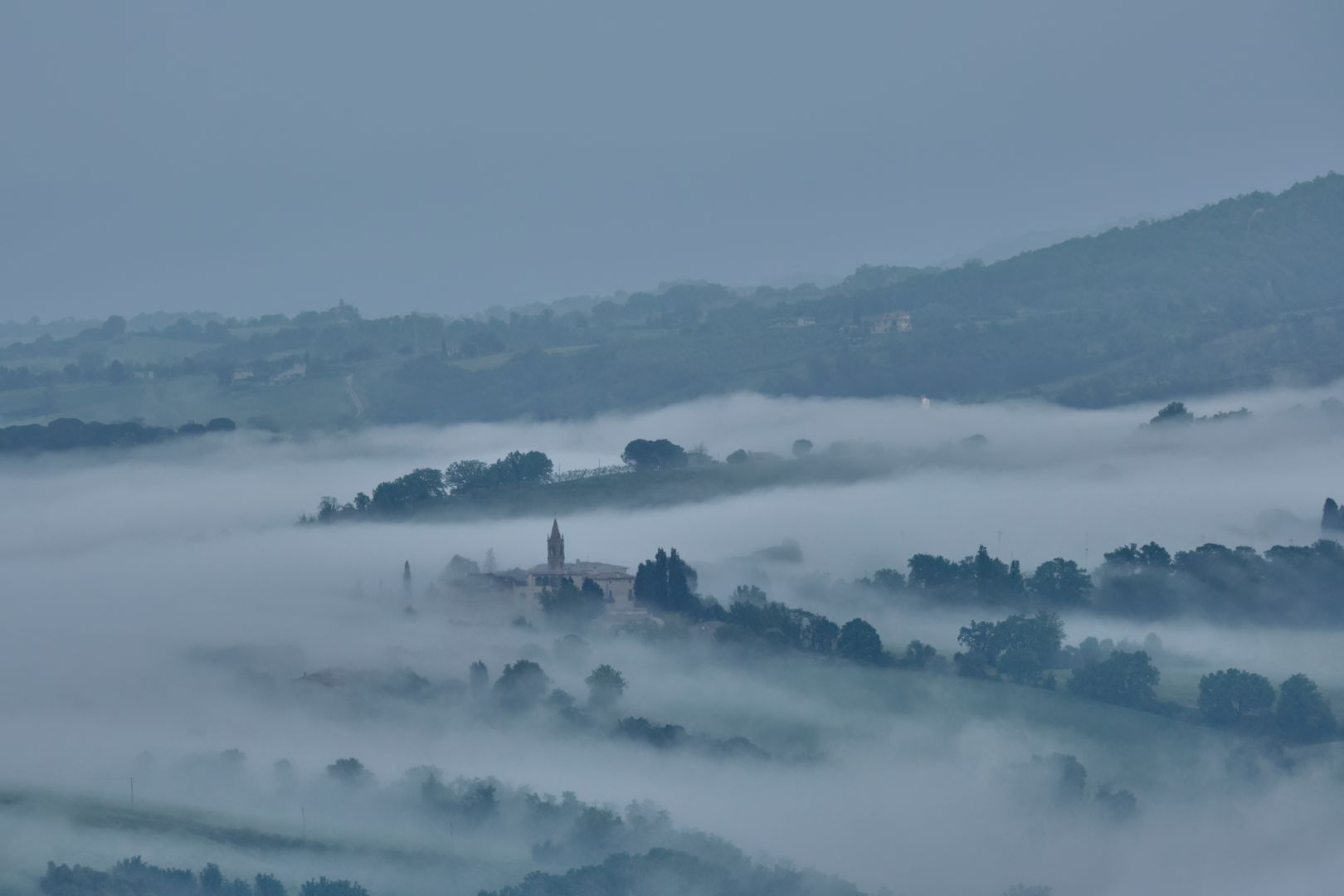
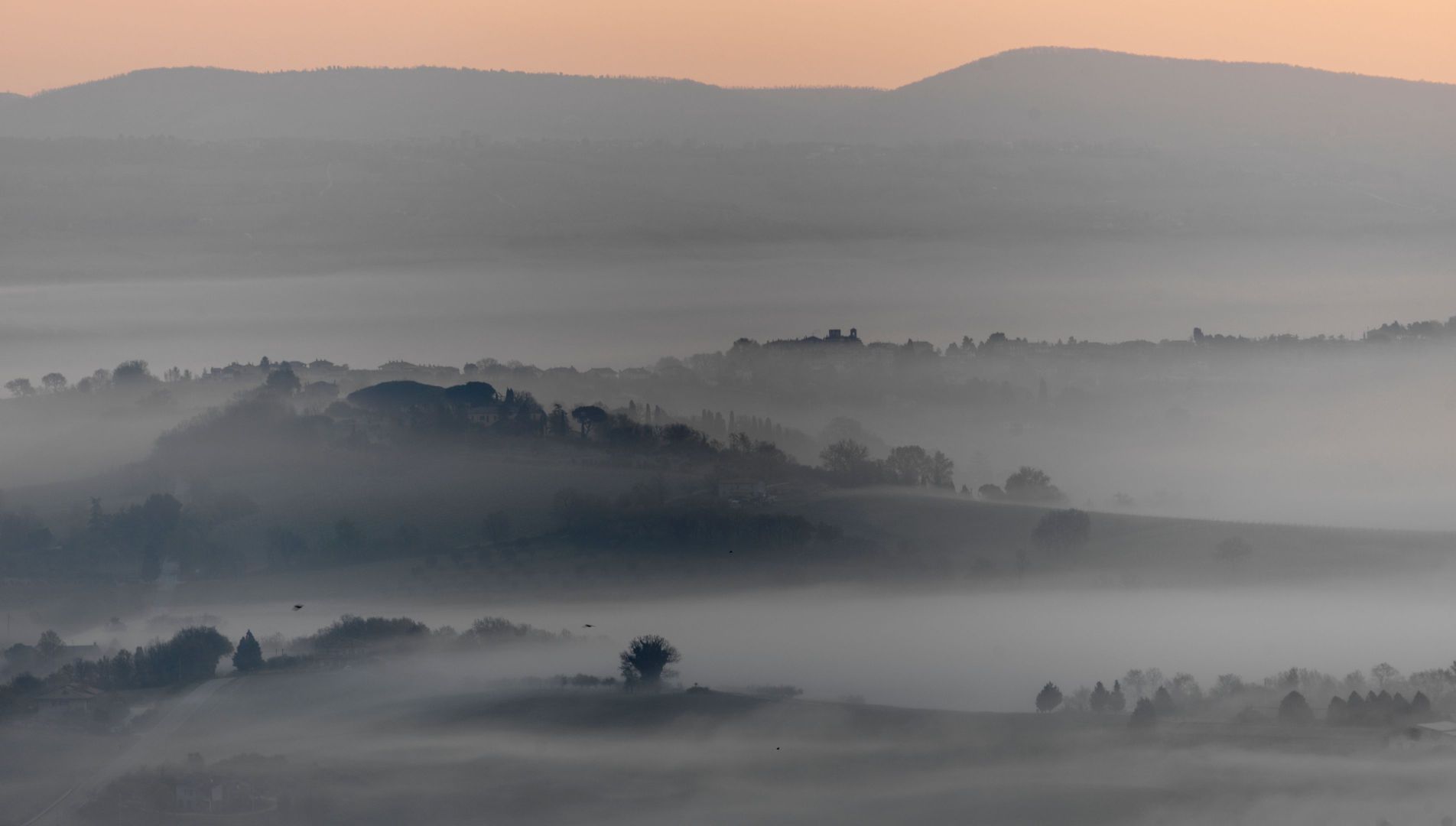
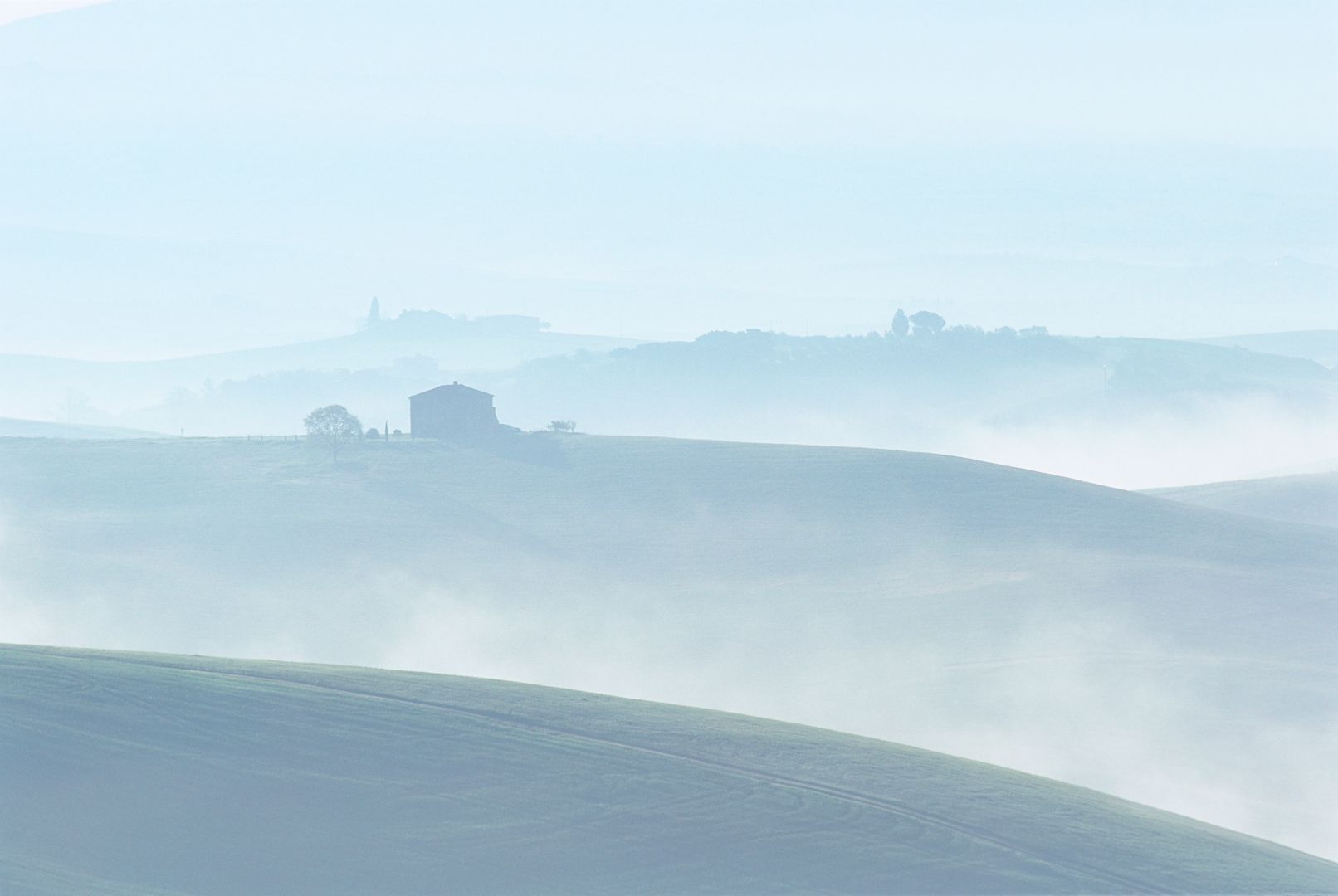
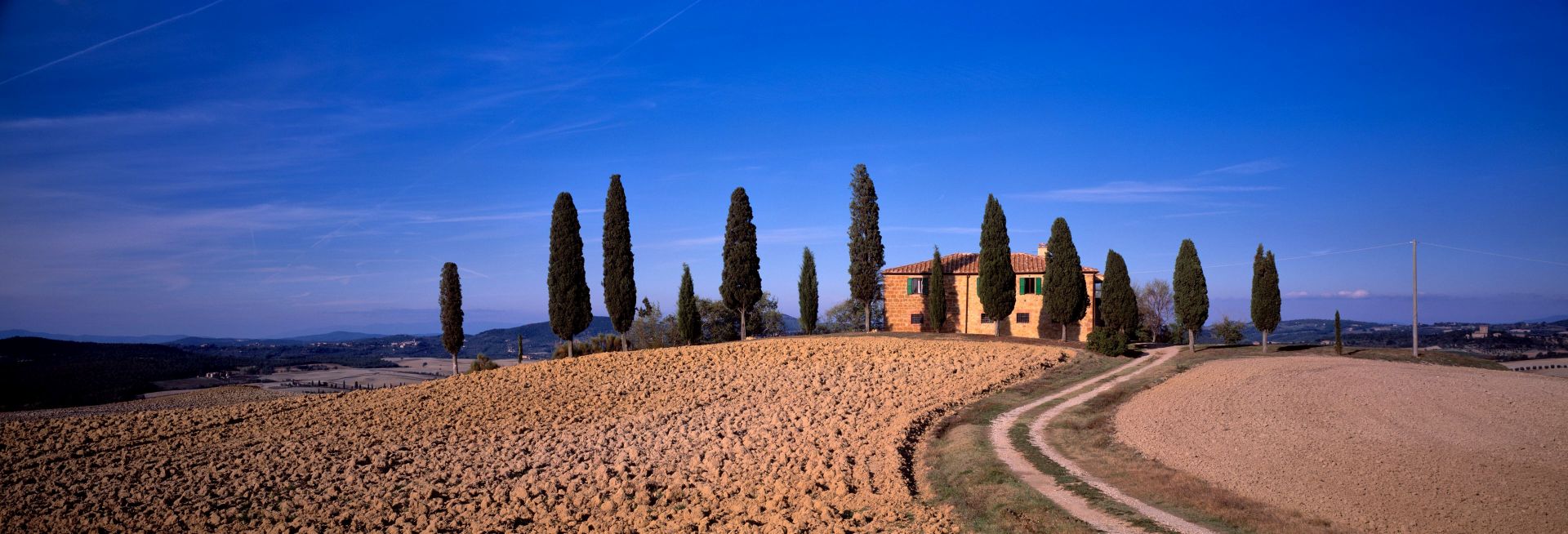
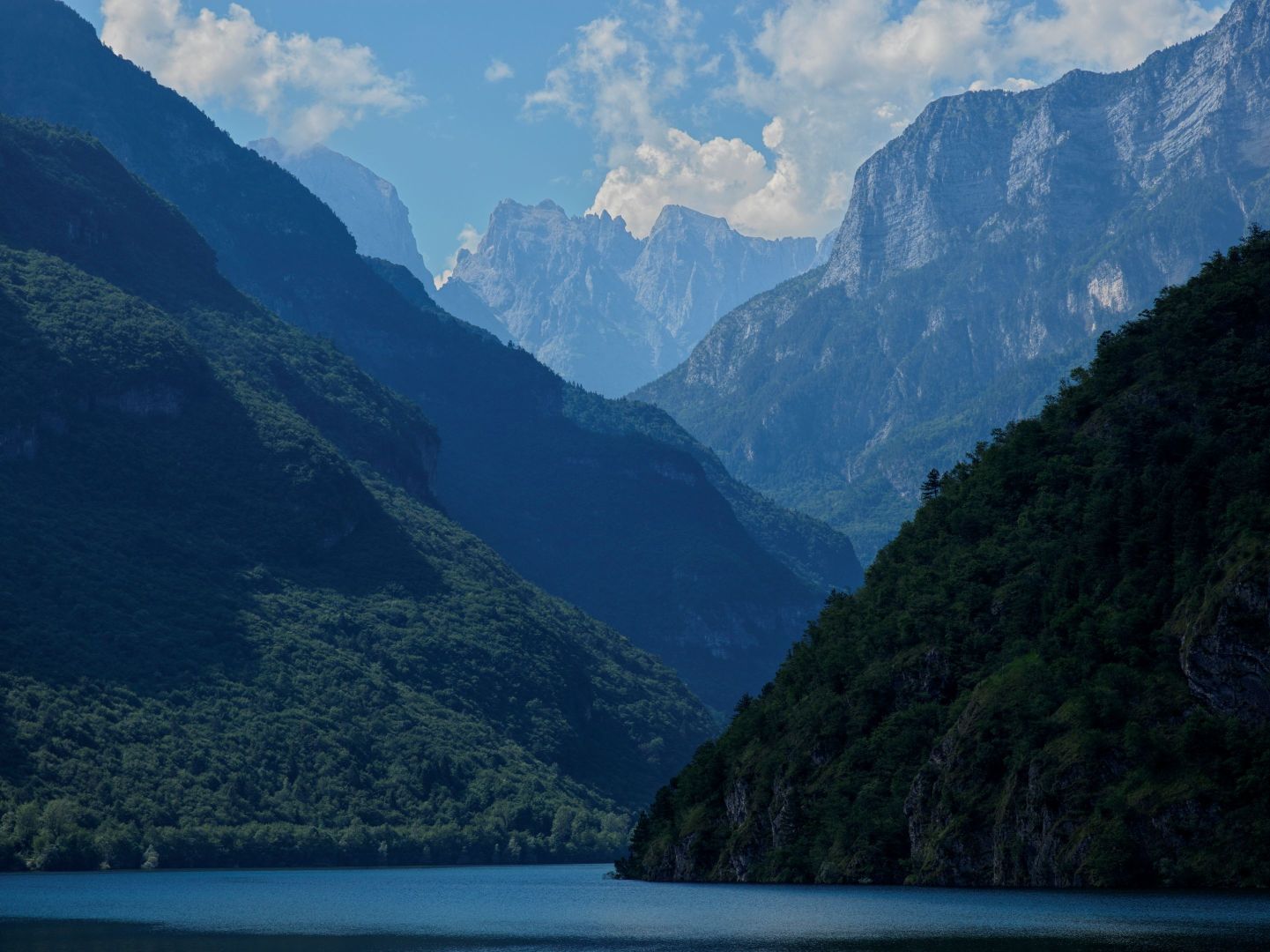
The natural landscape is not orderly as a rule, or at least that’s not how we think of it. Of course agriculture can alter that, but occasionally nature does it by itself. Either way, your eye is drawn to apparent shapes, whether they are tricks of perspective, the result of human action, or just sheer chance.
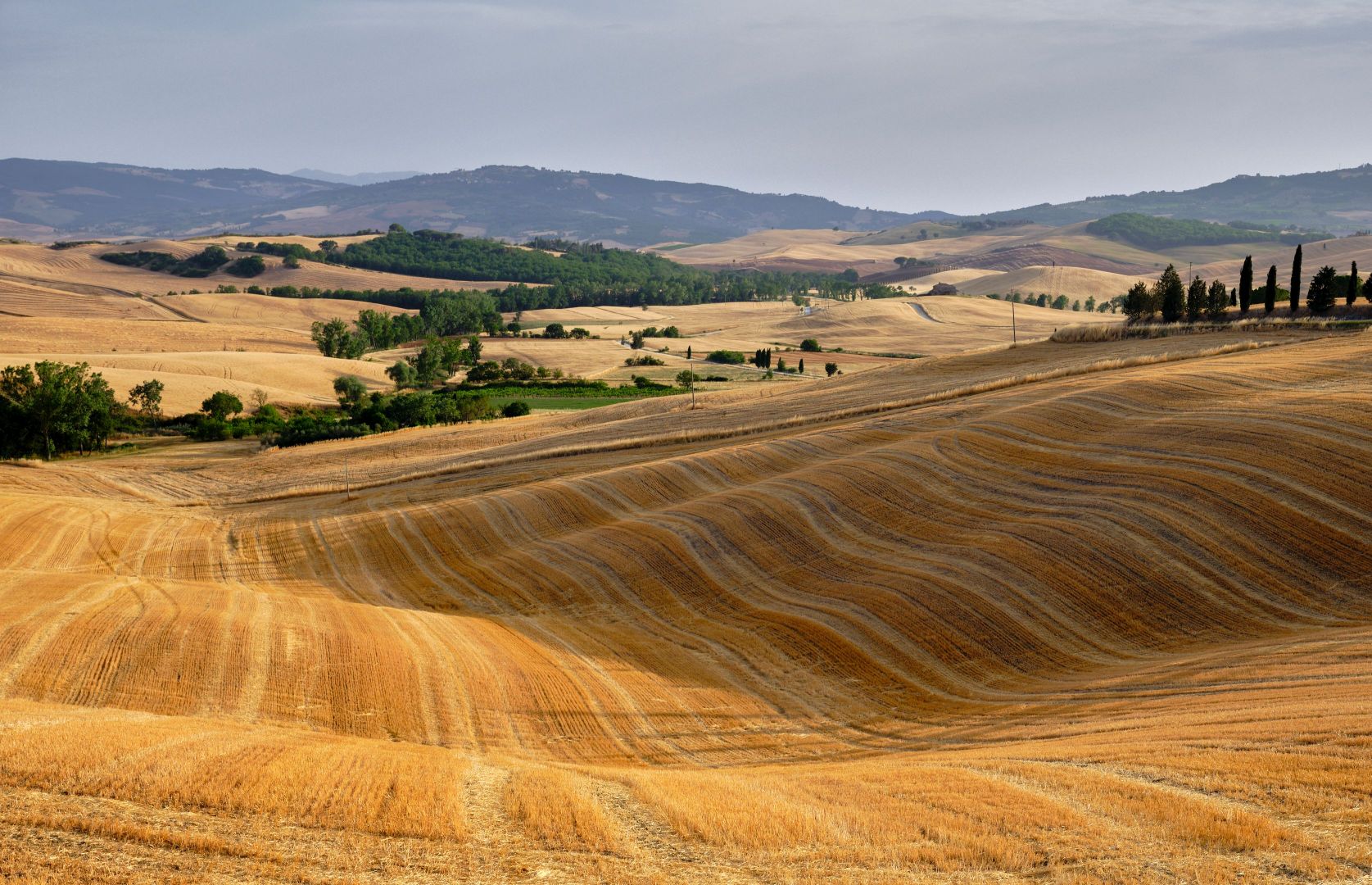
Repetition
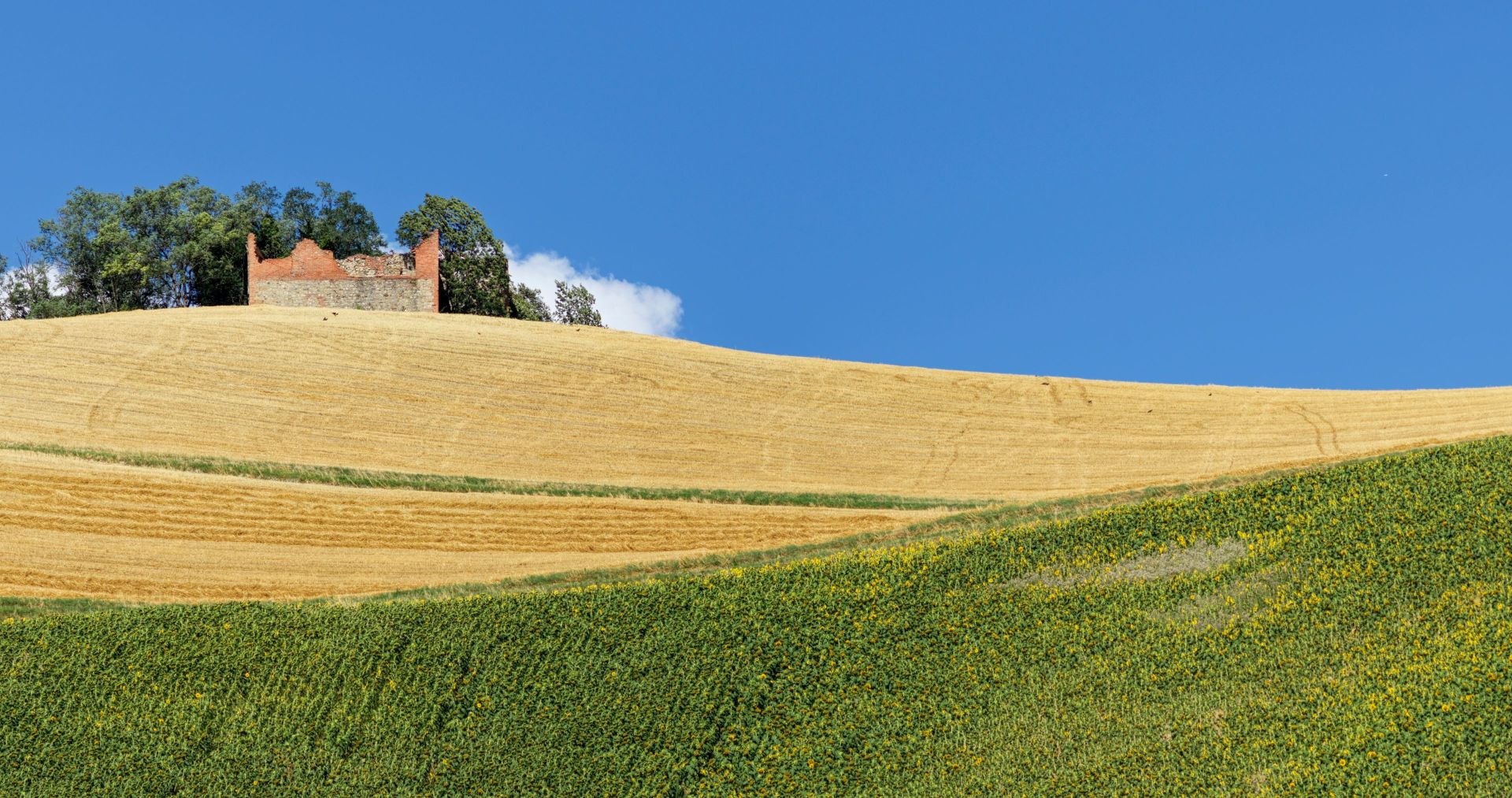
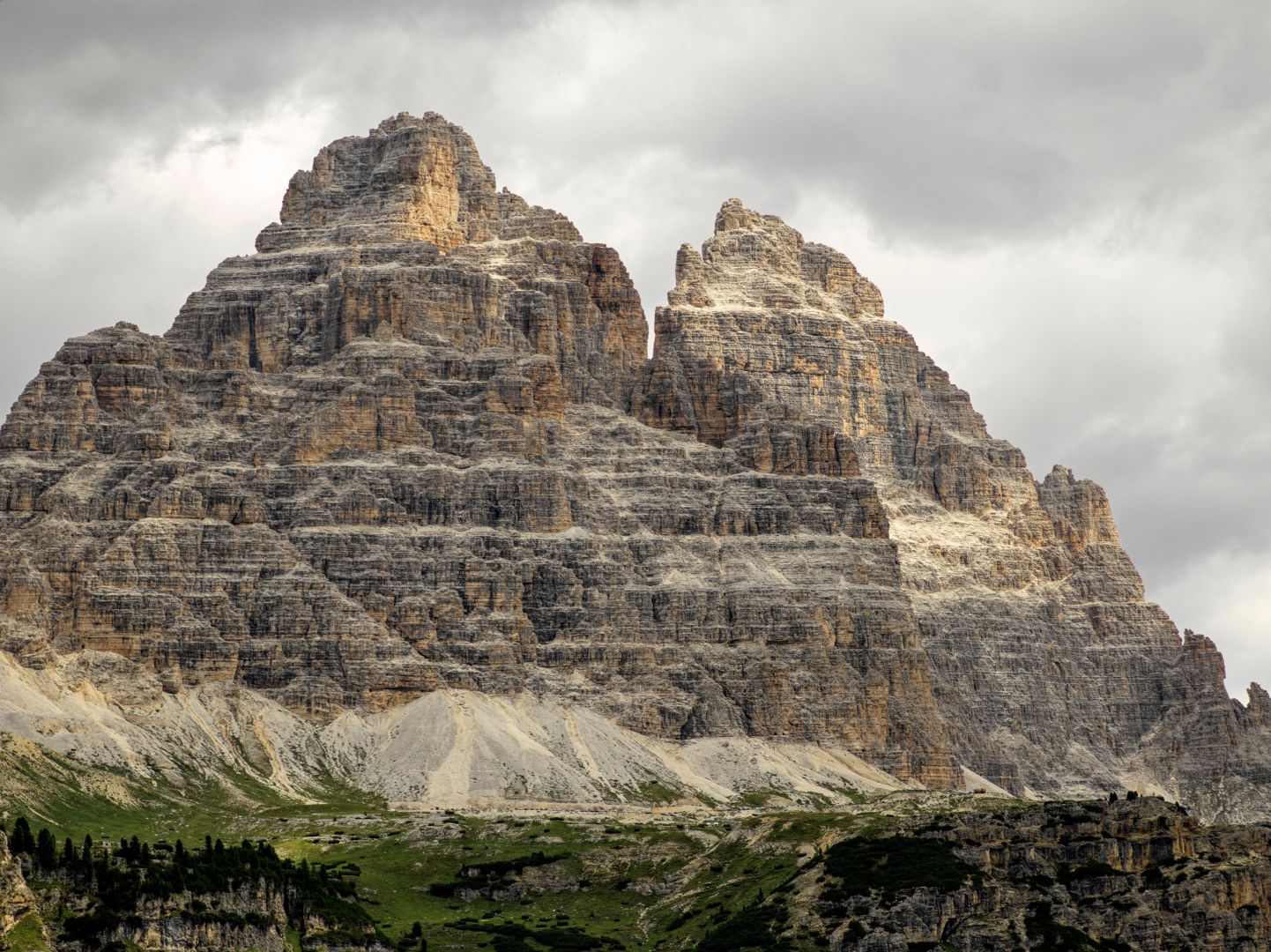
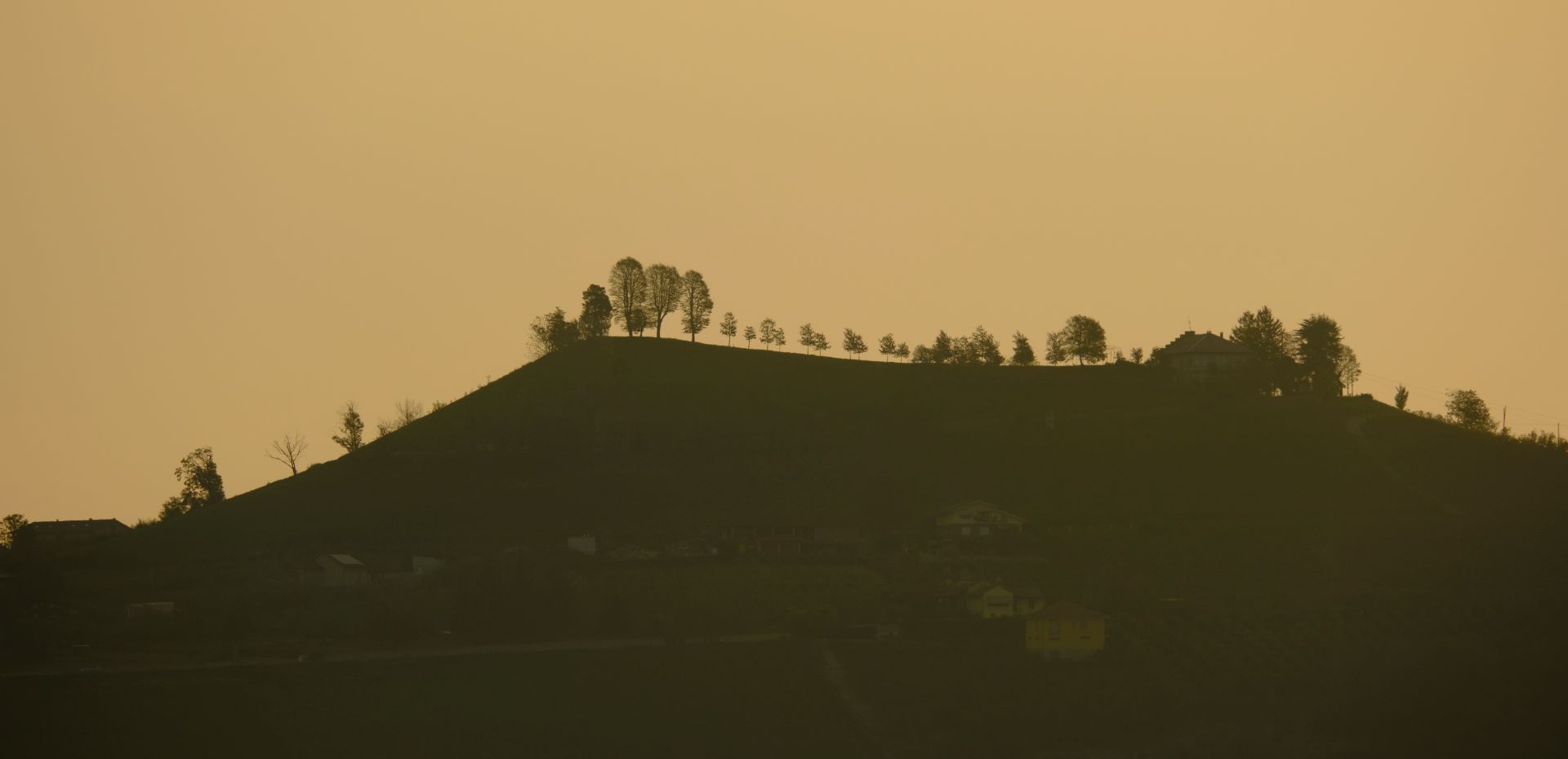
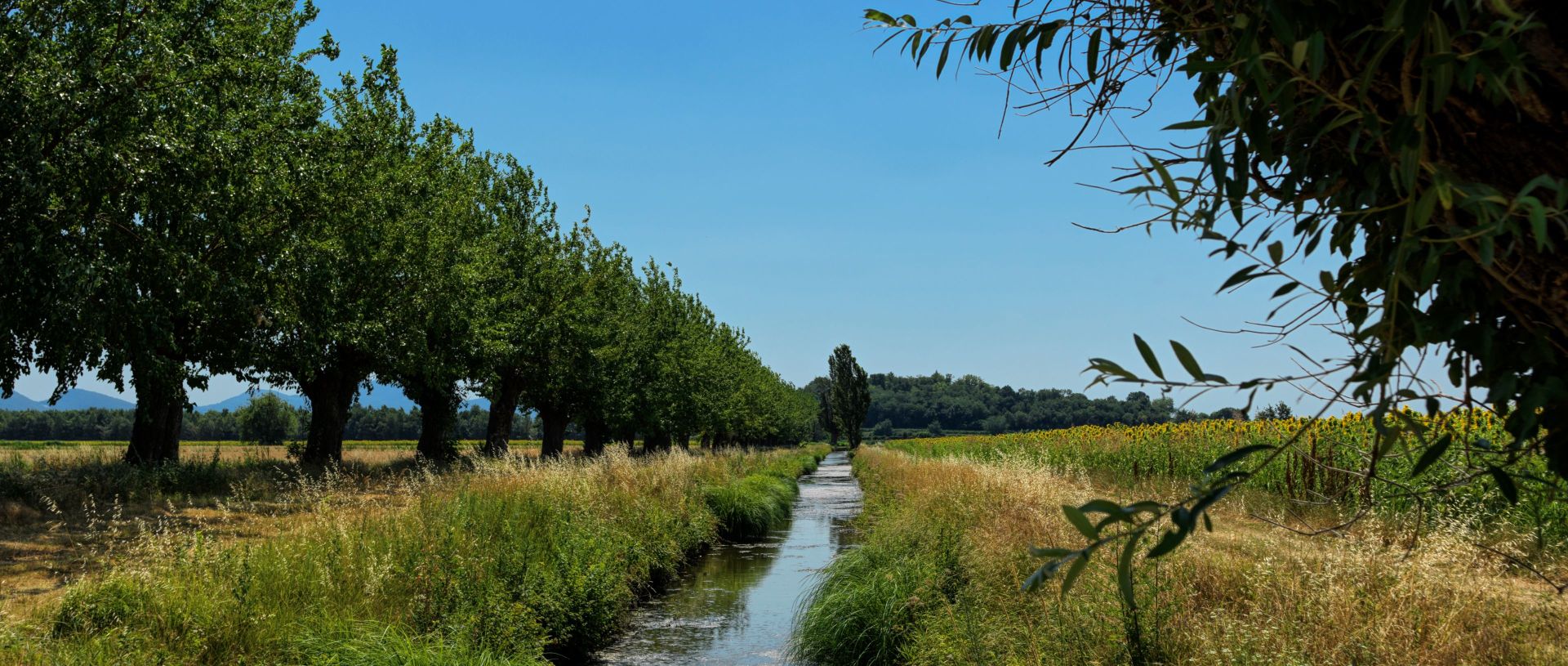
Repetition is something that the brain responds to at a fairly basic level – you don’t need to think about it, because neurologically you’ve already noticed it before the higher levels of cognition have been engaged. Clearly something this fundamental must have evolved because it conferred a survival advantage, but I don’t profess to understand quite why.
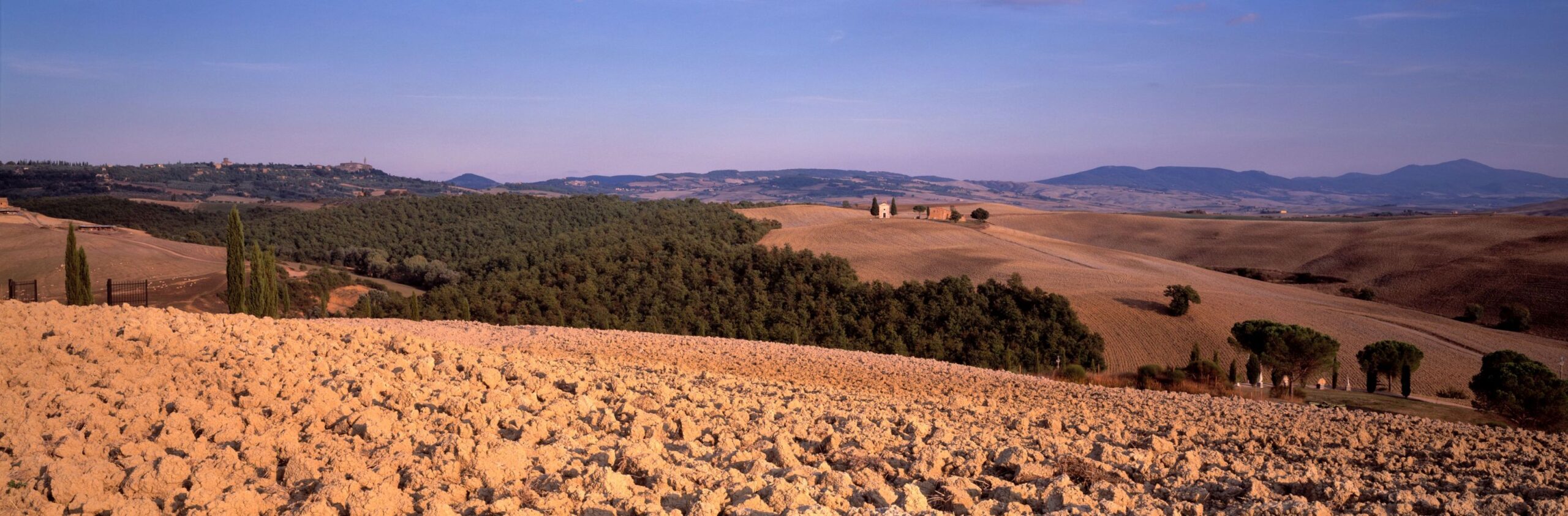
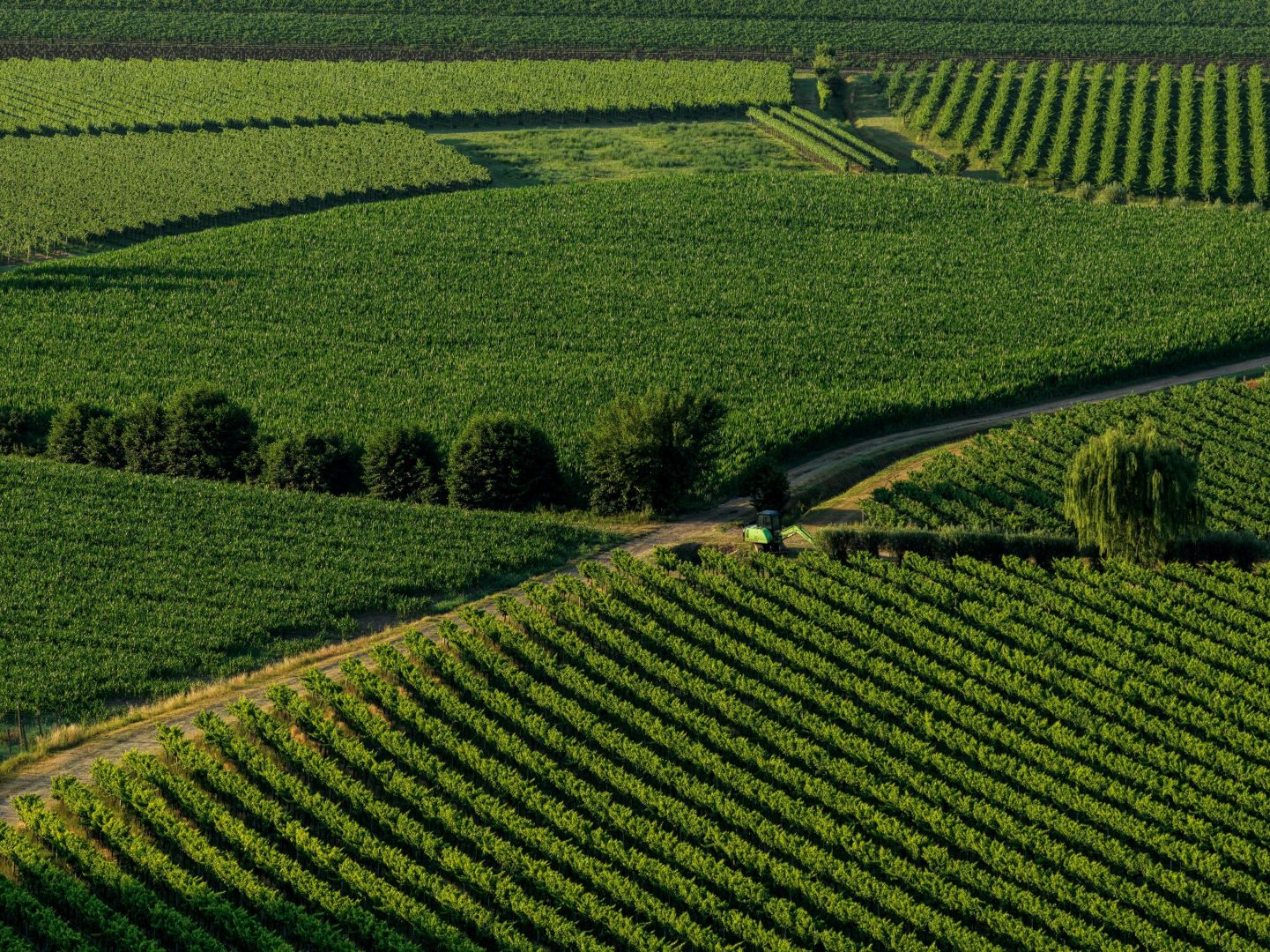
Leading the Eye
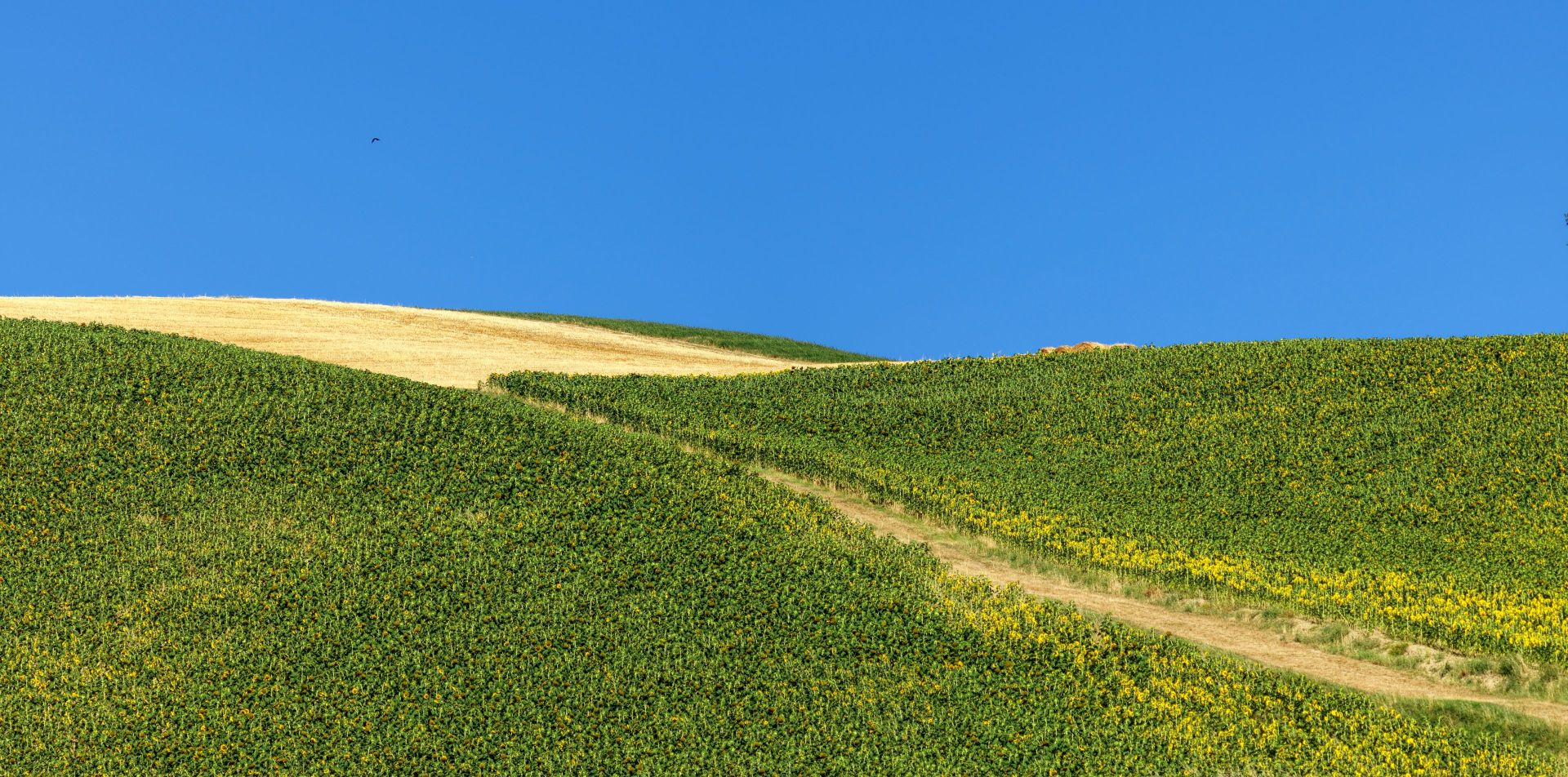
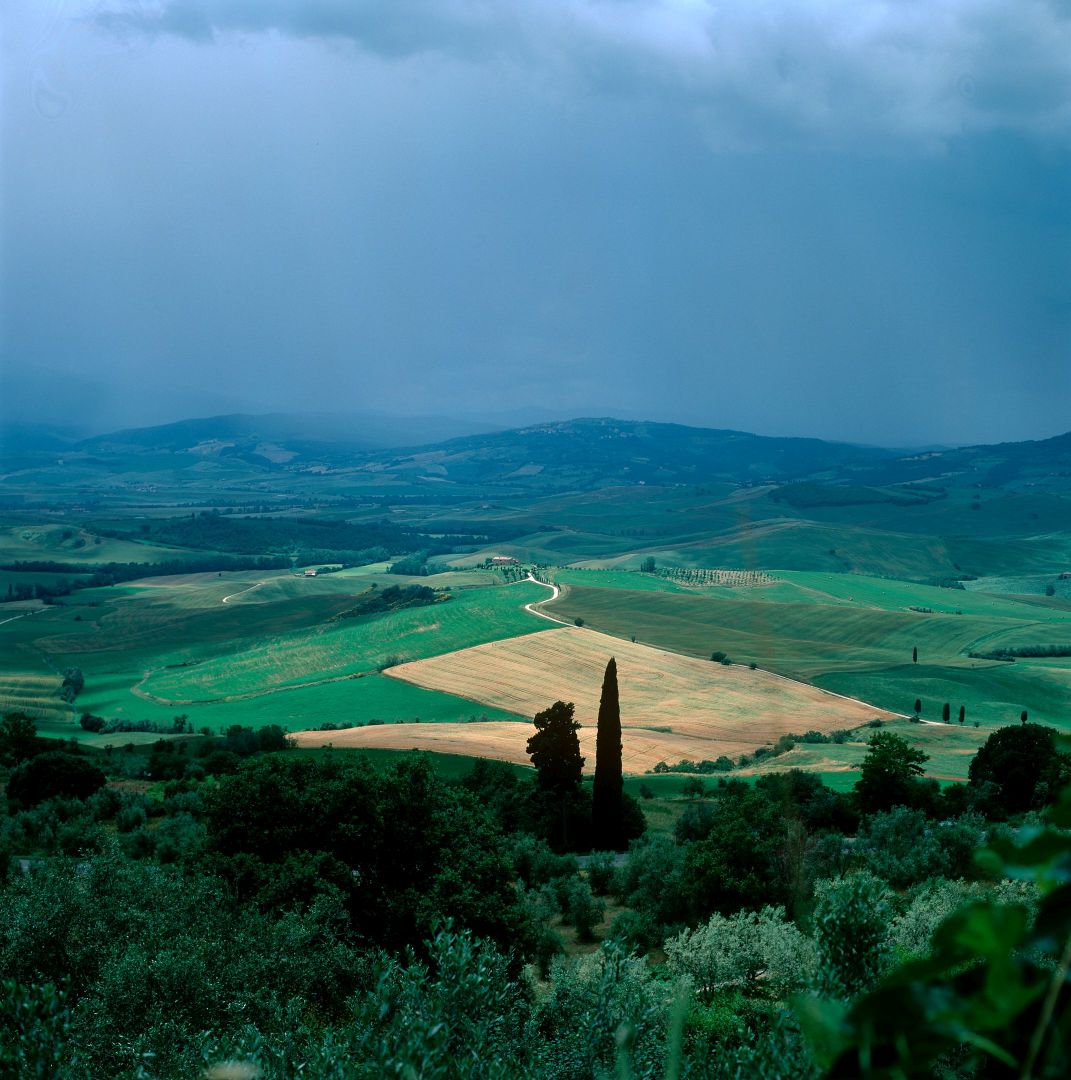
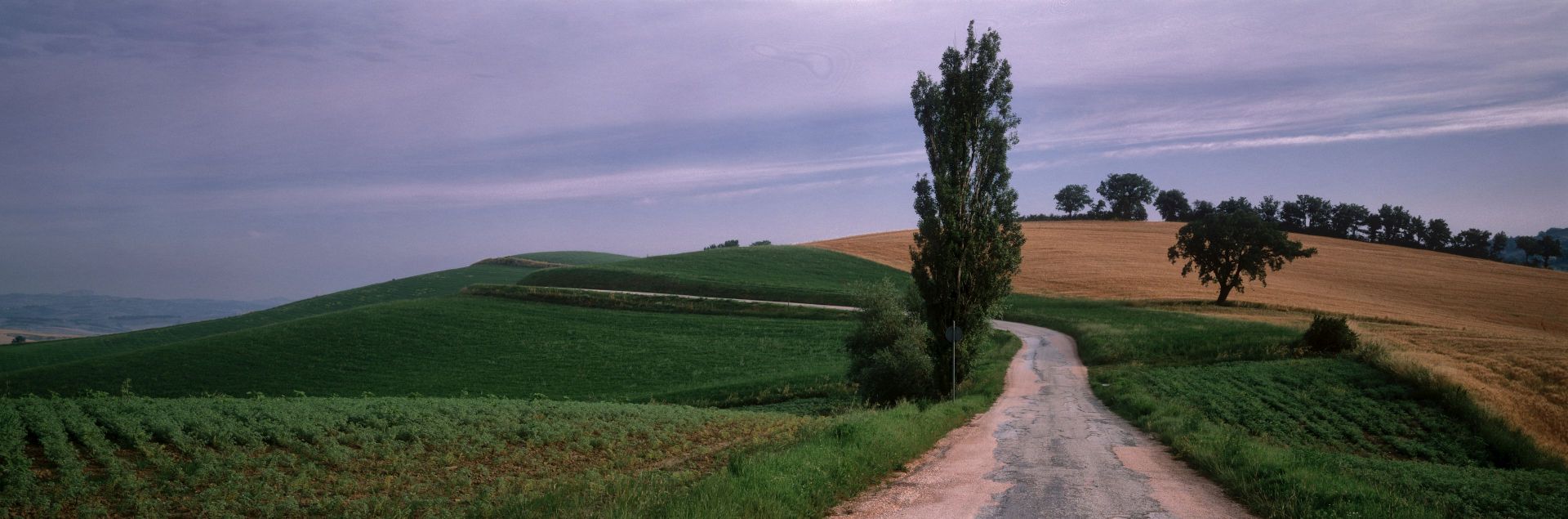
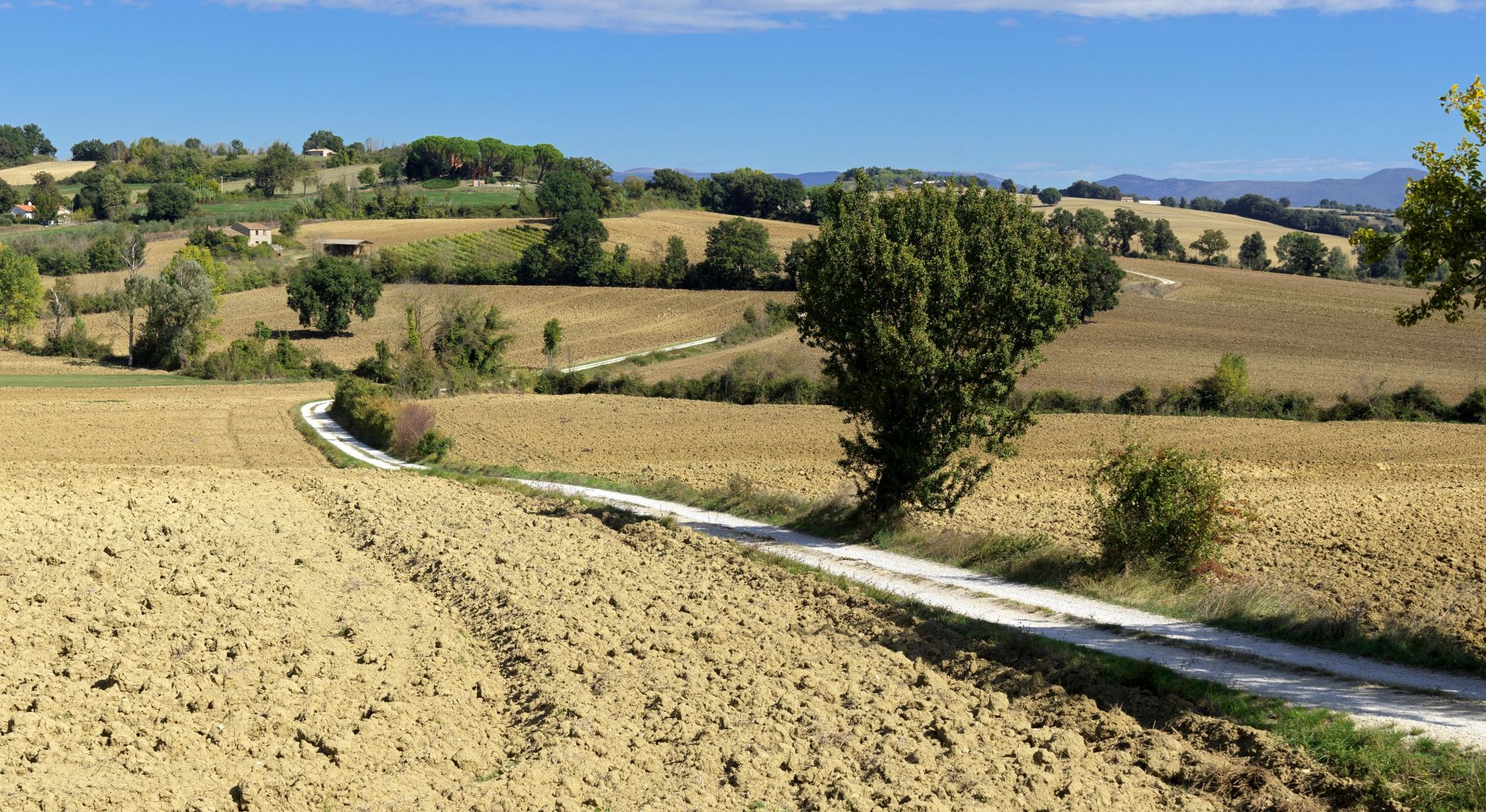
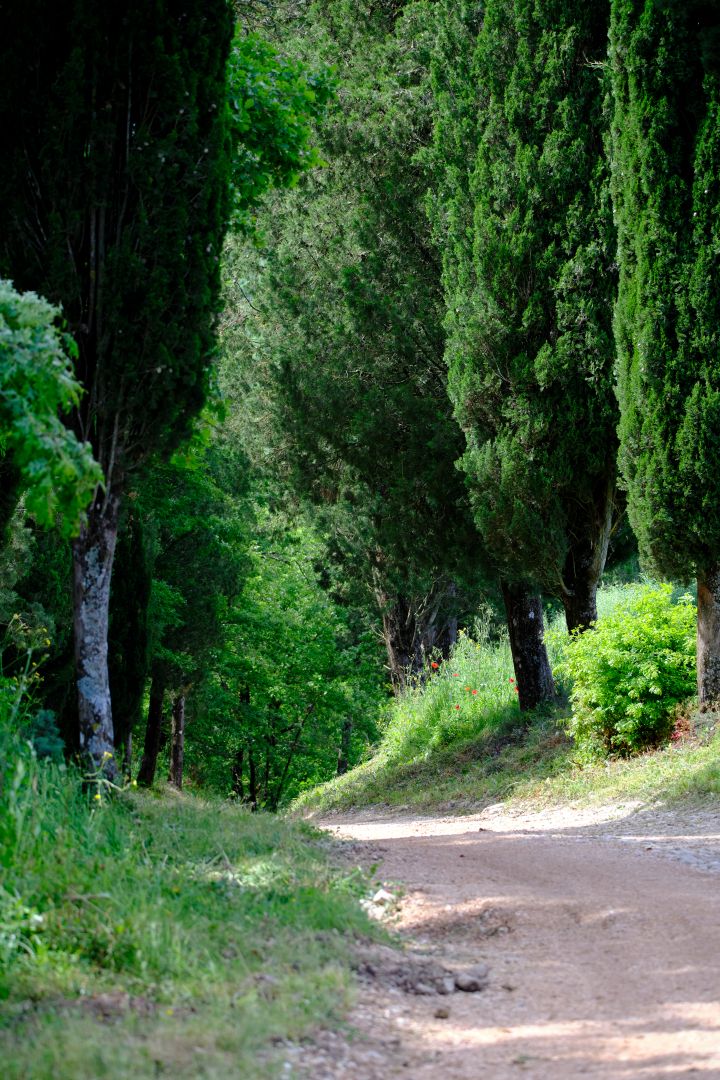
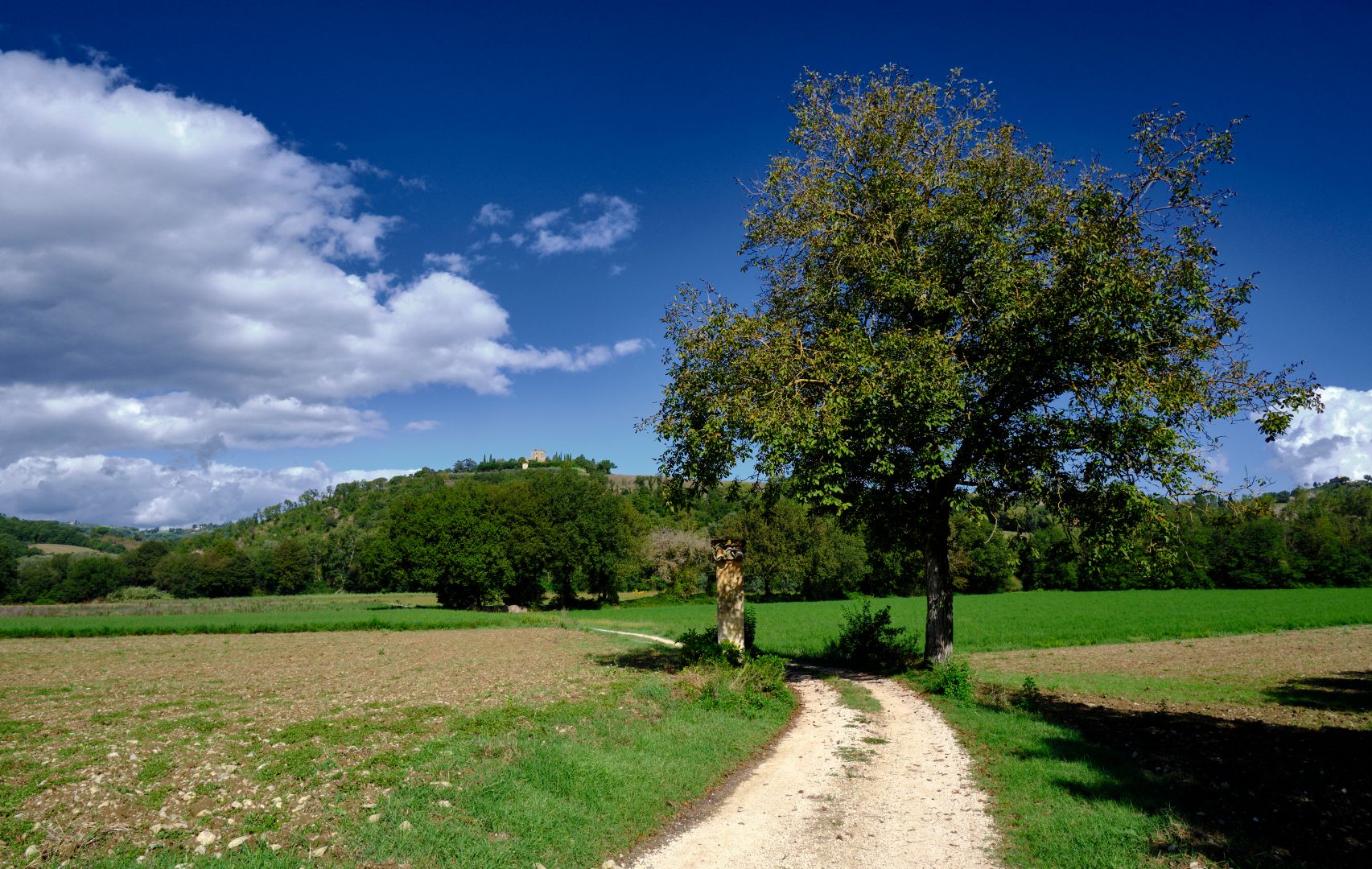
As a photographer, you want to be able to guide the viewer’s eye into a picture. Something that leads the eye (a road, a river, whatever) really helps a composition, giving it a feeling of depth, and turning what might have been an ordinary photograph into something a bit more special – perhaps something that poses questions. Where does the road (or river) lead? What is around the corner?
And that’s it. I hope you liked the photographs. Next post will be a bit more about history, I think.