
The city of Todi became Roman not through conquest, but in stages. In an earlier article titled Ancient Todi – Before the Romans I talked about its legendary origins, its martial character and some of the remains of the pre-Roman period that can still be seen in the town. Now I propose to take the story forward into a period in which written records paint a much clearer picture.

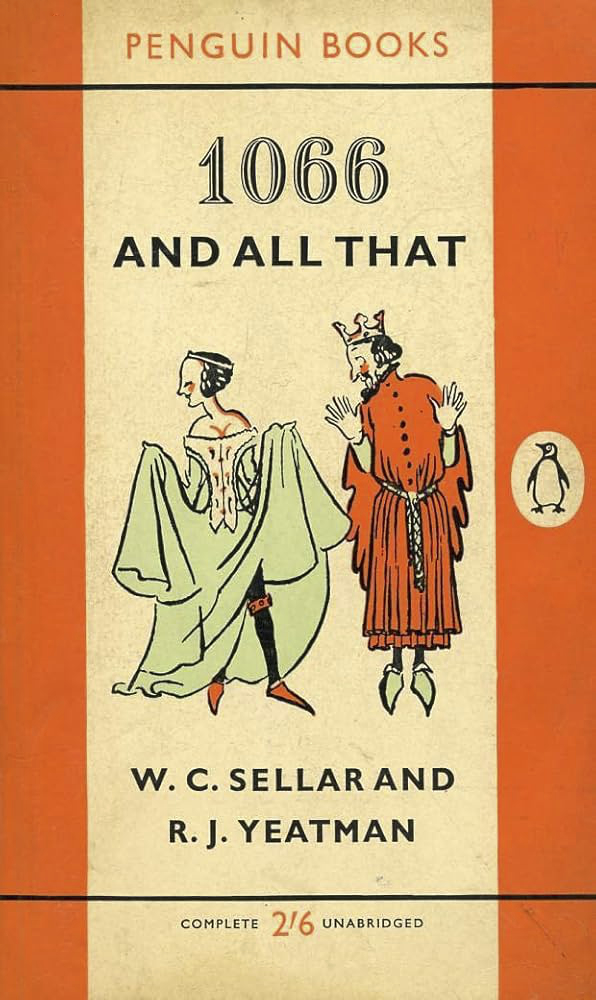
According to the classic mock-history 1066 and All That by Sellar and Yeatman, every important event in history was either A Good Thing or A Bad Thing. So I found myself wondering whether becoming part of the Roman Empire, and more particularly becoming a colonia, was A Good Thing or A Bad Thing.
The conventional view of the Roman period which I absorbed as a child was partly based, at one or two removes, on the histories of ancient Roman writers themselves (in which the Romans, naturally, were the heroes), and partly on the views of Edward Gibbon, who wrote in The Decline and Fall of the Roman Empire that “If a man were called to fix the period in the history of the world, during which the condition of the human race was most happy and prosperous, he would, without hesitation, name that which elapsed from the death of Domitian to the accession of Commodus.”
Such were the traditions that shaped my early impressions of Ancient Rome. Moreover it occurs to me that what I read was largely written by Englishmen of the first half of the 20th Century, who thought that being part of an empire was A Good Thing – civilisation, law, education, commerce, infrastructure and so forth (cue the inevitable “what have the Romans ever done for us?” reference from Monty Python).
An equivalent child in the 21st Century would read a somewhat different story. Modern revisionist historians, even if not actually post-Marxists, have thoroughly absorbed the zeitgeist and tend to start from the position that empires and colonies were A Bad Thing. This, I feel, is as solipsistic as anything written by a Cambridge don from 1900 who was projecting the British Empire onto the Roman. Or indeed by Kipling. His Roman centurions on Hadrian’s Wall in Puck of Pook’s Hill could have been prefects at an English public school.
Either way, the Roman Empire happened, and the political views of people two thousand years later will not alter that.
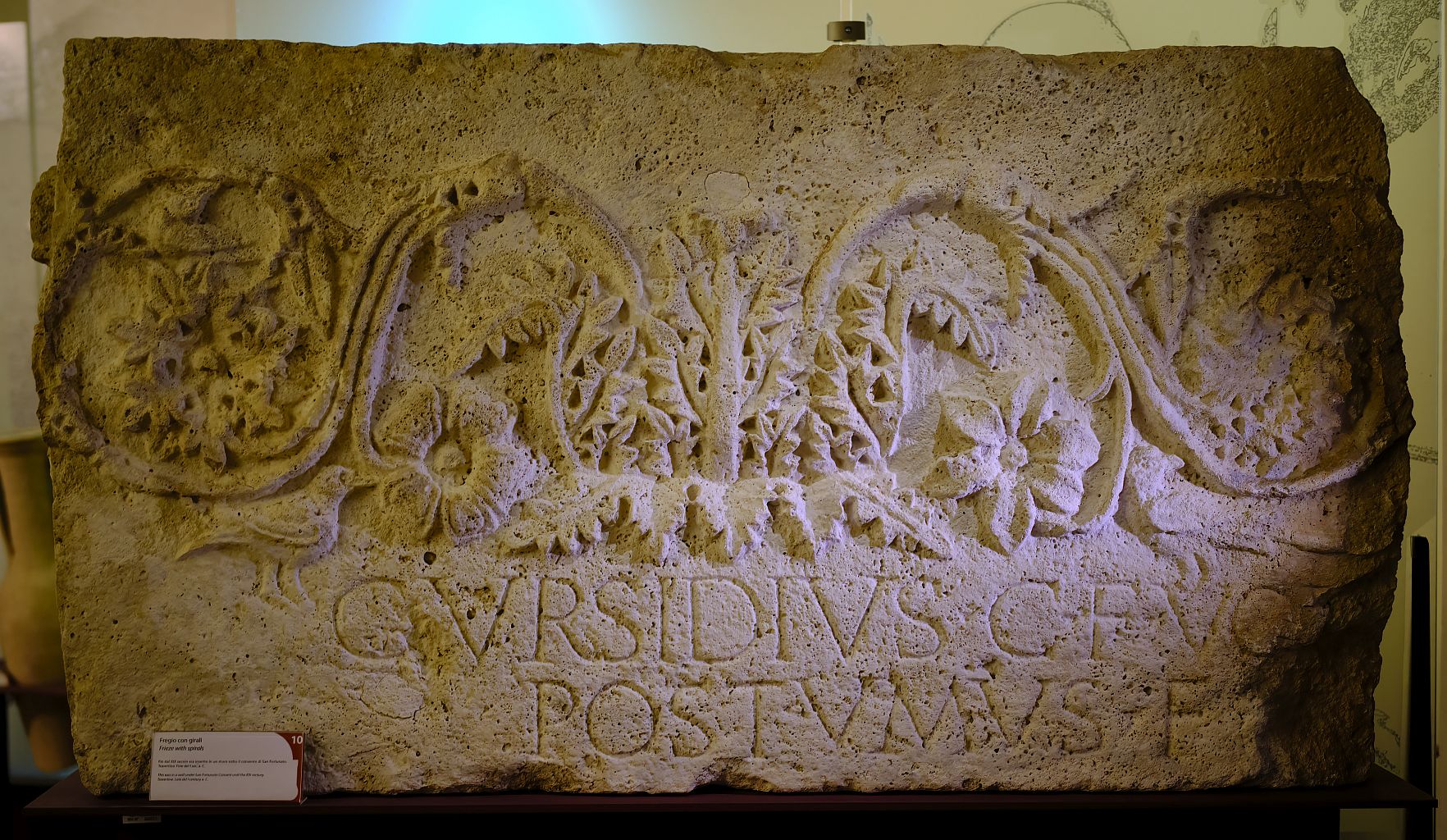
My starting point was wondering what it would be like for people in places like Todi to come under Roman hegemony. The first stage in this was that Todi became a civitas foederata, for which I think “allied city” would be a better translation than “federated city”. From what I can tell, this meant that the city remained self-governing, but was bound by a formal treaty under which Rome took control of its foreign relations, and it was obliged to provide men to the Roman army. Since this happened to Todi in the 3rd Century BC, our records of how this happened are not as complete as we would like, but it is known that a coalition of Etruscans, Umbrians and others was defeated at the battle of Sentium in 295 BC. Of course Umbria was a geographical region, not a unitary state, so in the absence of hard information we cannot say whether that coalition included the city of Todi or not.
However a date that is most often given for this change of status is 217 BC. As far as I can tell there is no primary source for this, but it seems that historians have inferred it from various other changes that happened in the region after the Second Punic War and Hannibal’s invasion (I recently read that after Hannibal’s victory at Trasimene, his Carthaginian army came south along the west bank of the Tiber, passing through the village of Cecanibba, just to the north of Todi).
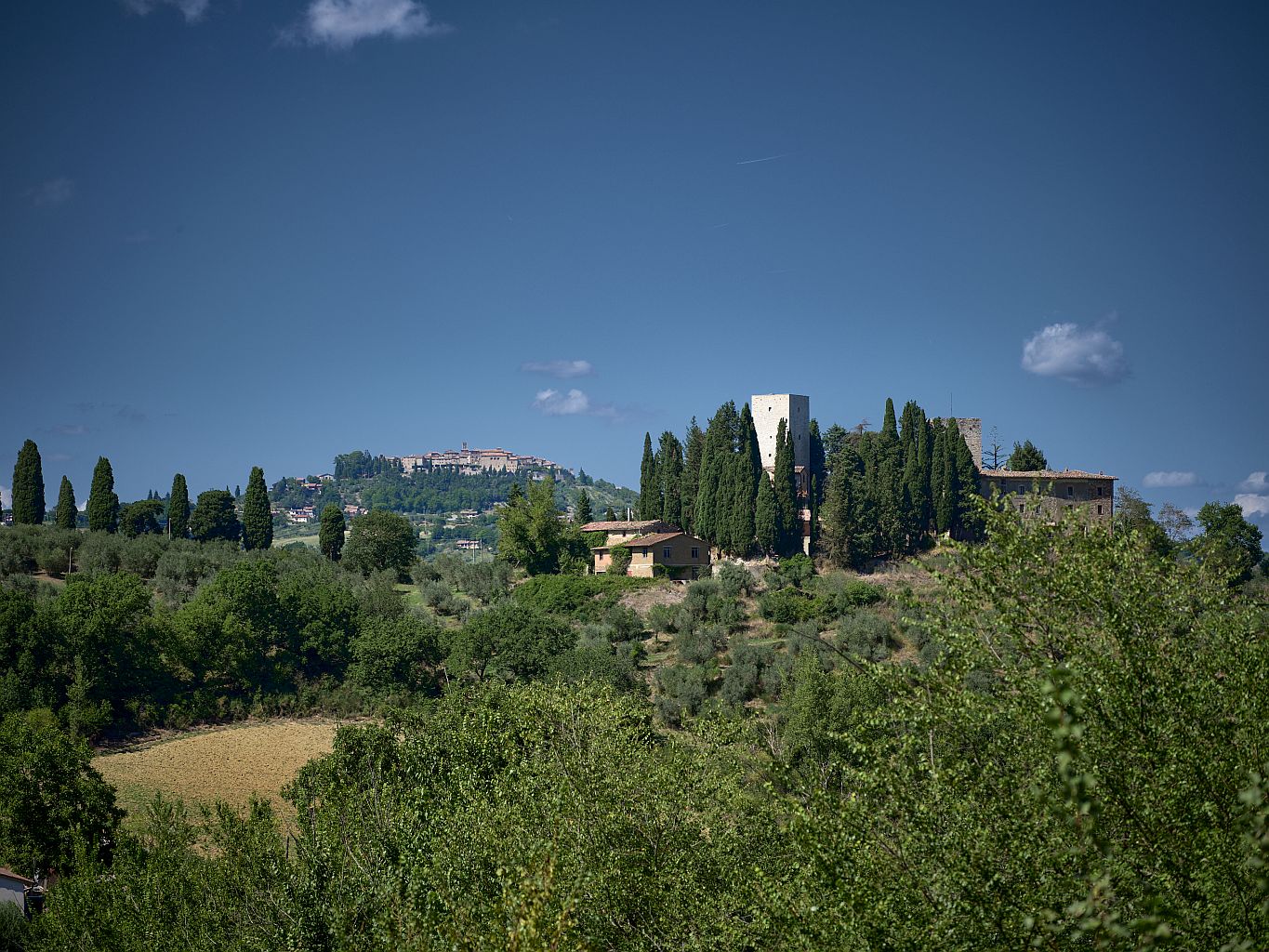
The next stage in Todi’s absorption into to the Roman world was in 89 BC when it became a municipium. This was during the so-called Social War of 91-87 BC when various allied states (soci) rose up against Rome. These states were mostly in the lands south of Rome, and I believe that Umbria was only peripherally involved. Paradoxically, the war ended with most people in central and southern Italy, even some who had fought Rome, being granted Roman citizenship. The late-Roman historian Arrian used this to argue that the desire for equal treatment with Rome was the root cause of the war (modern historians differ, of course).
The big thing about your city becoming a municipium was that while your city continued to be sort of self-governing, you became a Roman citizen, with a set of rights and responsibilities which included (for the knightly class and above) the right of appeal against actions of local officials.
By contrast, Roman overseas subject territories were governed by officials who could, and often did, enrich themselves through rapacious taxation. Most of what we know of this system comes from the letters of two of the honest ones – Cicero and Pliny the Younger. The late-republican senator Cicero accepted the post of governor of Cilicia in Asia Minor with great reluctance, and his letters document the excesses of his predecessor. Then later he famously prosecuted the venal ex-governor of Sicily for corruption and extortion. 160 years later, Pliny was appointed governor of Bithynia, also in Asia Minor, by the Emperor Trajan. We saw the remains of Pliny’s Umbrian country villa in this article.
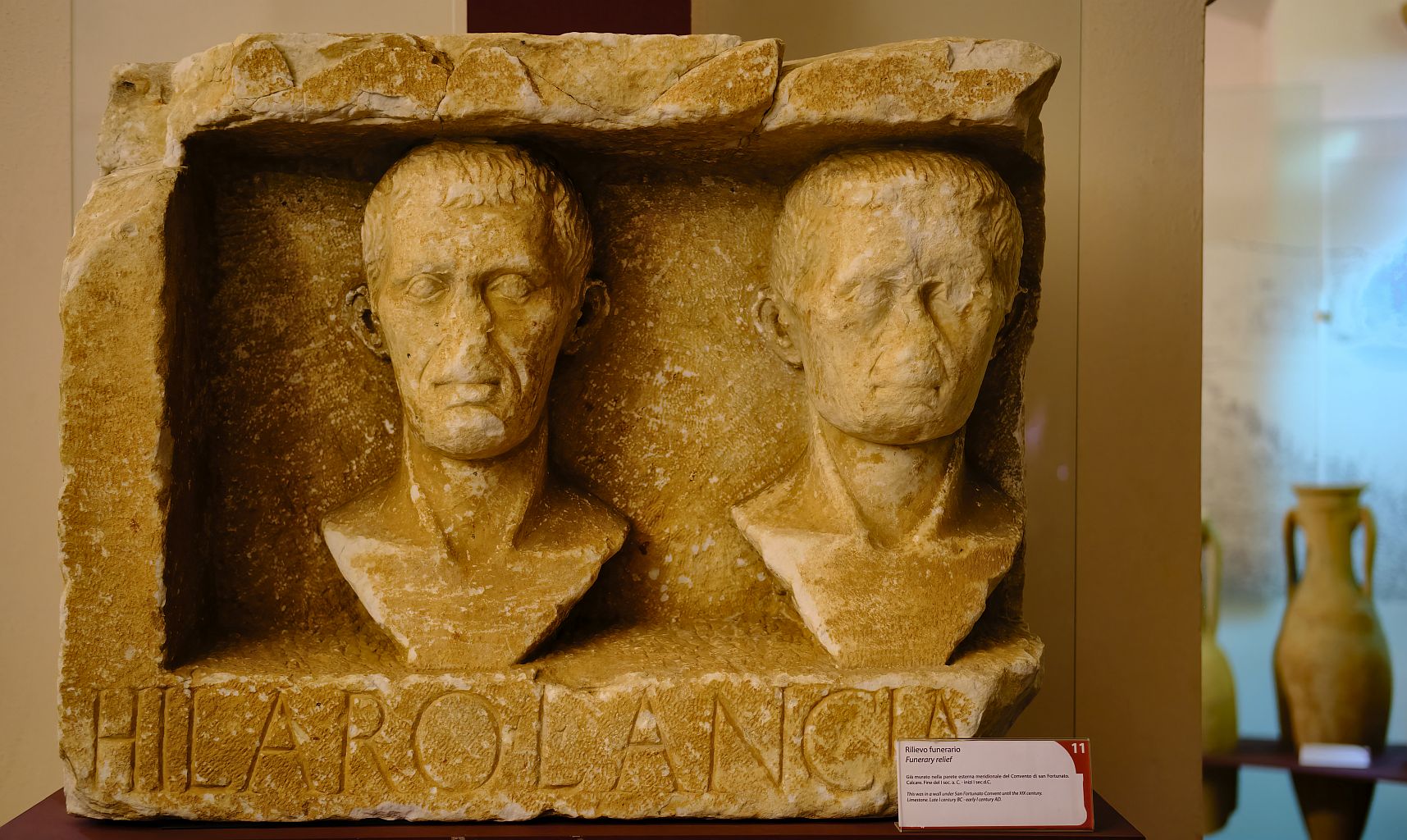
The next stage in the absorption of Todi into Rome (by which time it must already have been completely Romanised) was in 42 BC under the Emperor Augustus, when it was granted colonia status with the title Colonia Julia Fida Tuder. I’m guessing, although I do not know, that the “fida” meant that Todi had been faithful to Octavian/Augustus in the civil war against Mark Antony, in which Perugia famously picked the wrong side and was razed to the ground. If I am right, it would be by no means the last time that Todi and Perugia were on different sides.
Being a citizen of a colonia effectively meant that you were now Roman. There would have been plenty of advantages, but a downside was that discharged Roman legionaries could be granted land on your territory. Of course some of those legionaries might also have been recruited from your territory, so there would always have been winners and losers.
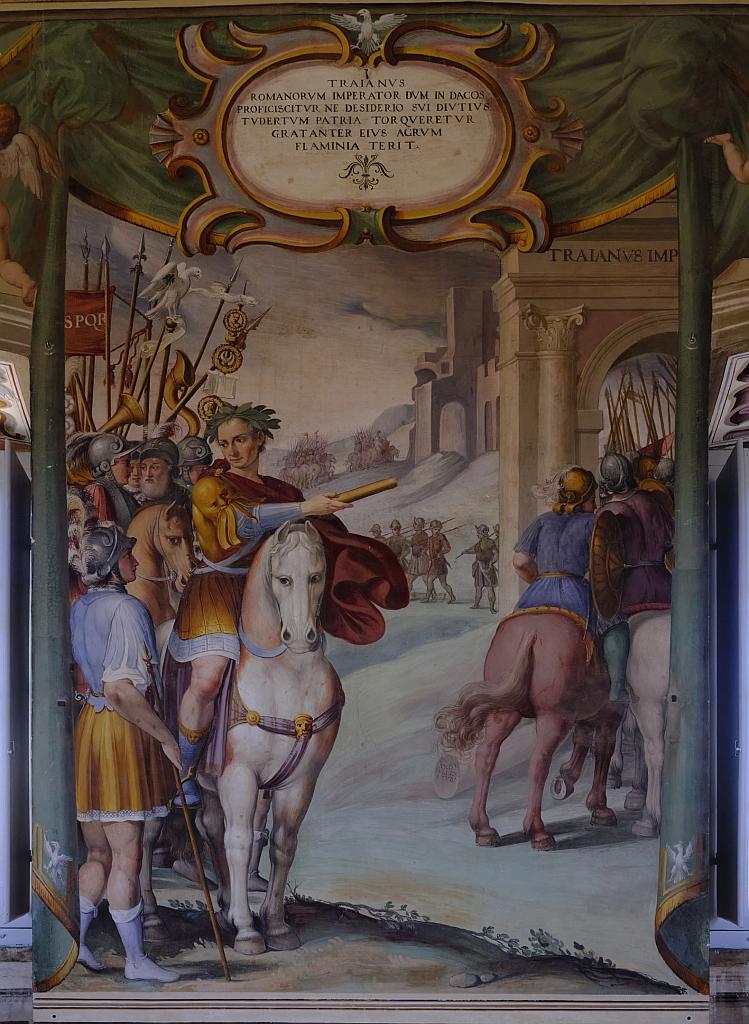
Among the winners were ancient Todi families called the Ulpii and the Traii, members of which joined the Roman army and rose to senatorial rank. From a marriage between the clans came Marcus Ulpius Traianus, who became the Emperor Trajan in AD 98. Although he was actually born in Spain and spent his whole life on the move, Todi ever since has claimed him as a local boy. According to some accounts (and local tradition), the Colonia Julia Fida Tuder title was actually granted by Trajan rather than Augustus, although this seems unlikely.
At the end of the previous article on ancient Todi, we left Todi as a prosperous Umbrian city on the border with Etruria, with strong Etruscan cultural influences but (probably) not under actual Etruscan rule. Its world was shaped by warfare and it stood ready to defend itself. Three centuries later, it was a still-prosperous Roman city in an economically important region of central Italy, but it was now at peace and would remain so for four hundred years. Maybe those 19th-Century historians weren’t all that wrong about the Pax Romana.
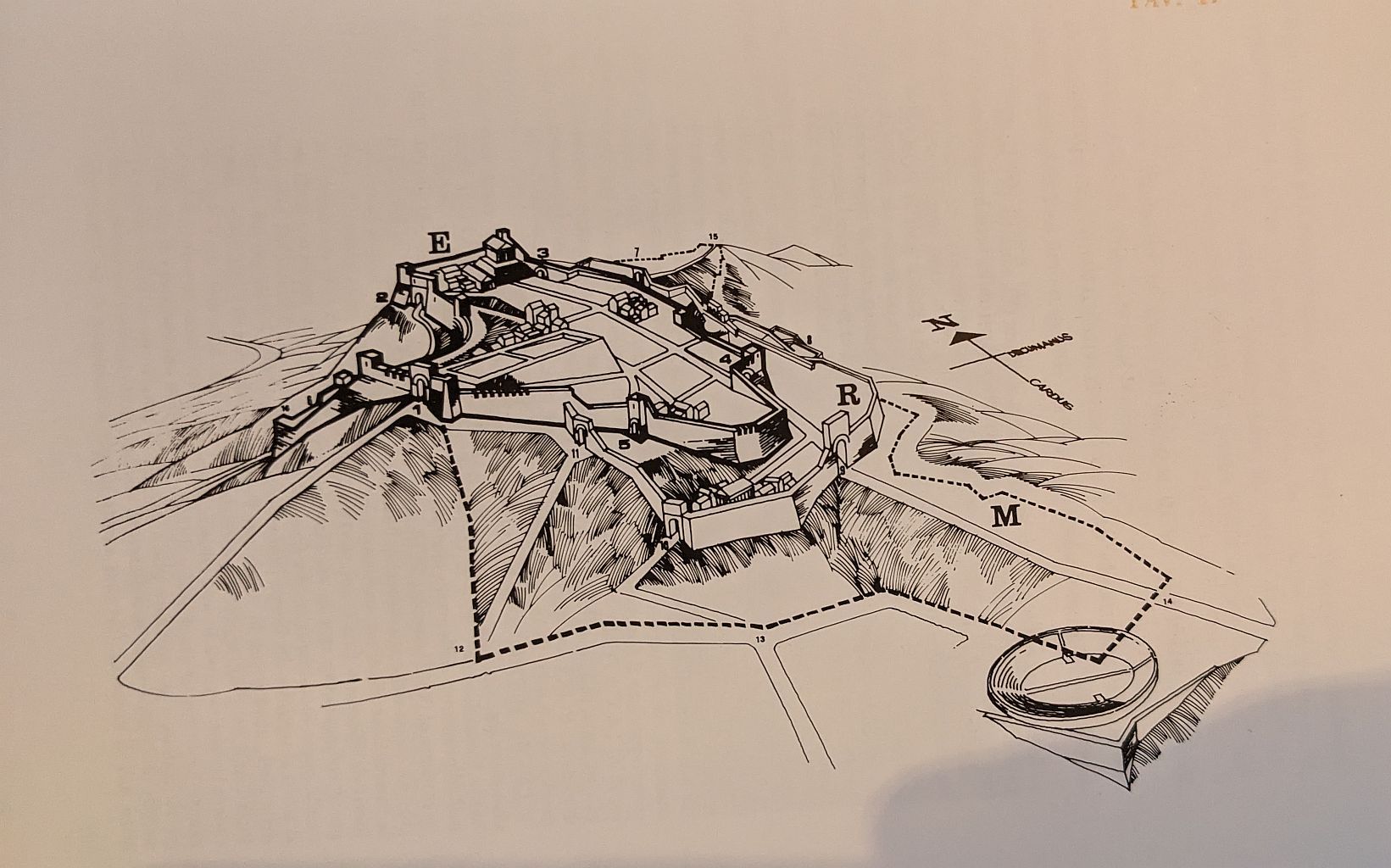
In future articles, I propose first to look at some of the impressive Roman engineering that can still be seen in Todi, and then to consider the fortunes of the town at the end of the empire and the Gothic Wars of the 5th Century.
Edit: that article on Roman Engineering in Todi has been written and can be found here.
2 Replies to “Roman Todi 1 – Becoming Roman”