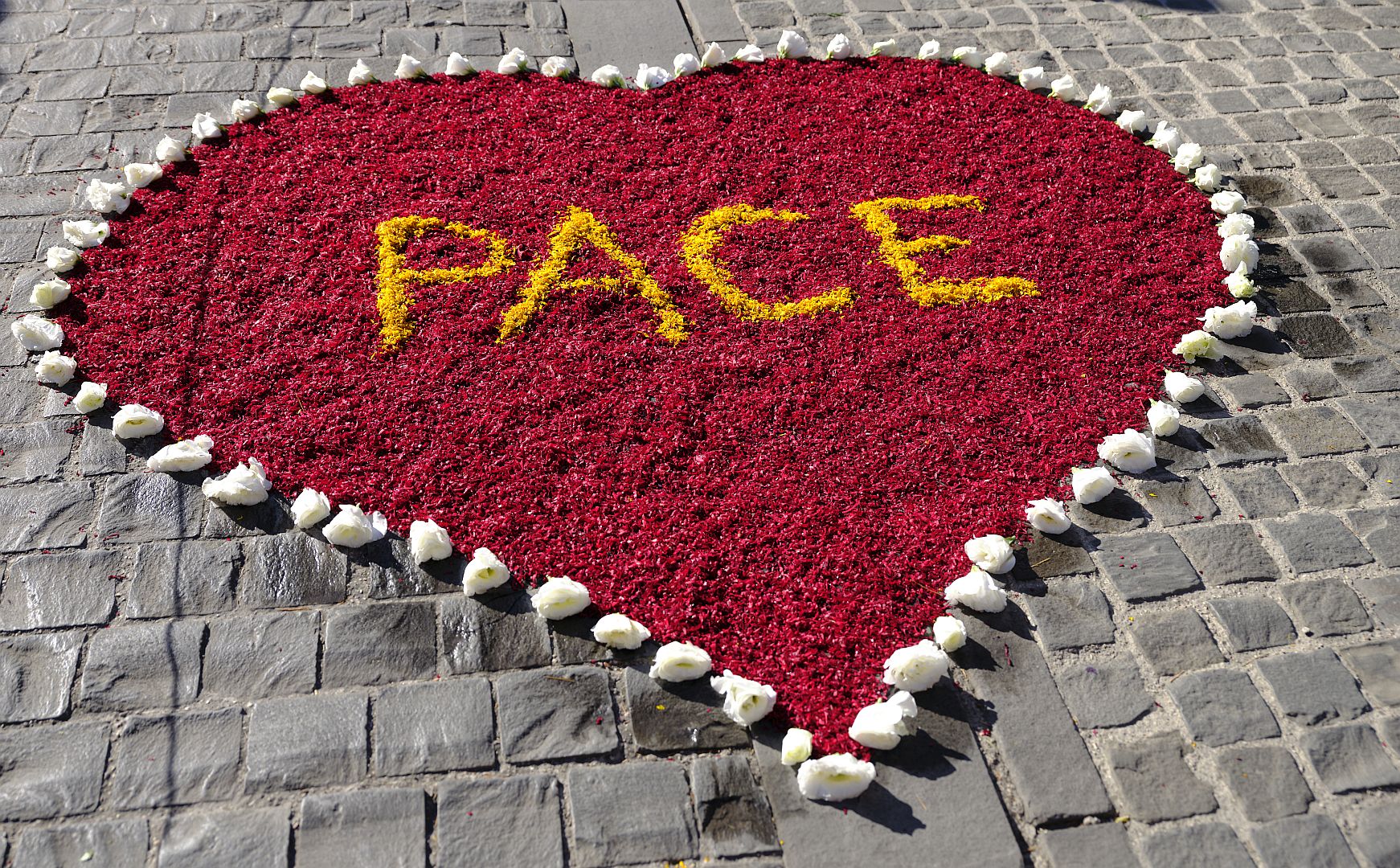
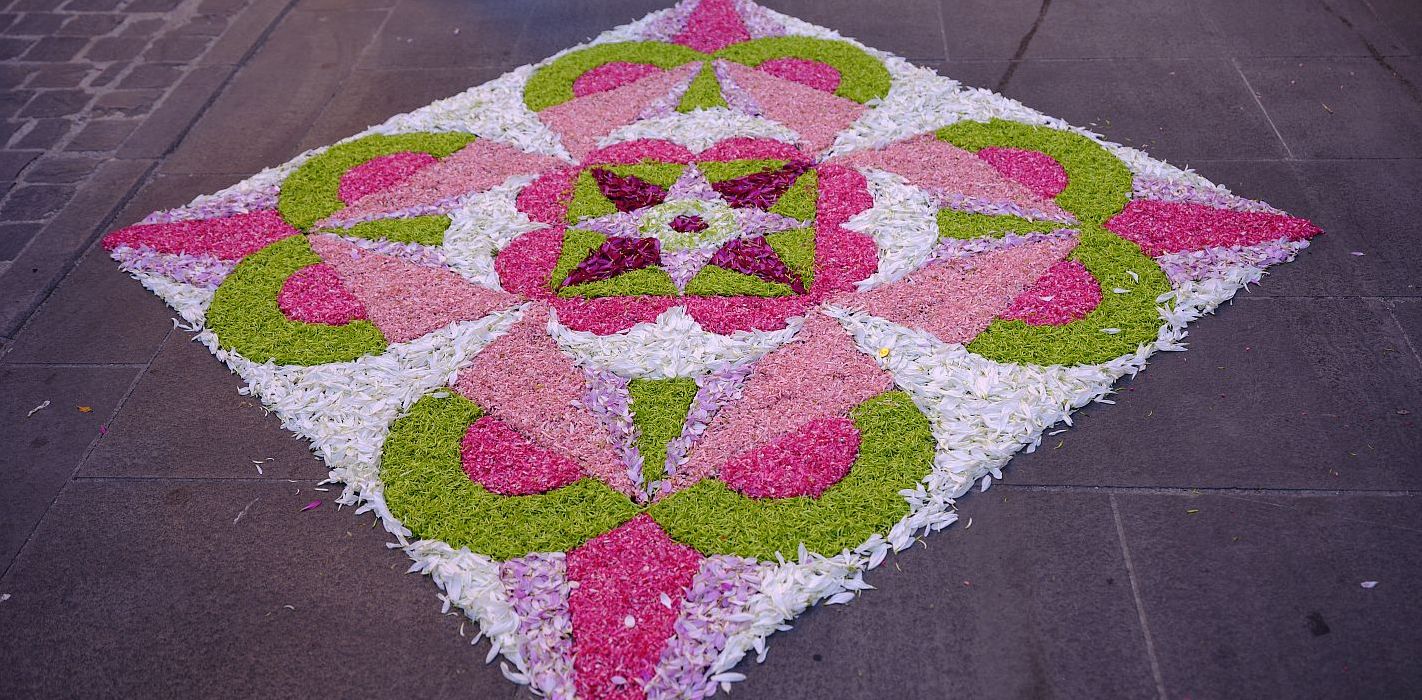
Spello is a pretty town in Umbria which gets even prettier over the course of one night in the middle of each year, when the townspeople cover the streets with the most elaborate artworks made of flowers – the Infiorate.


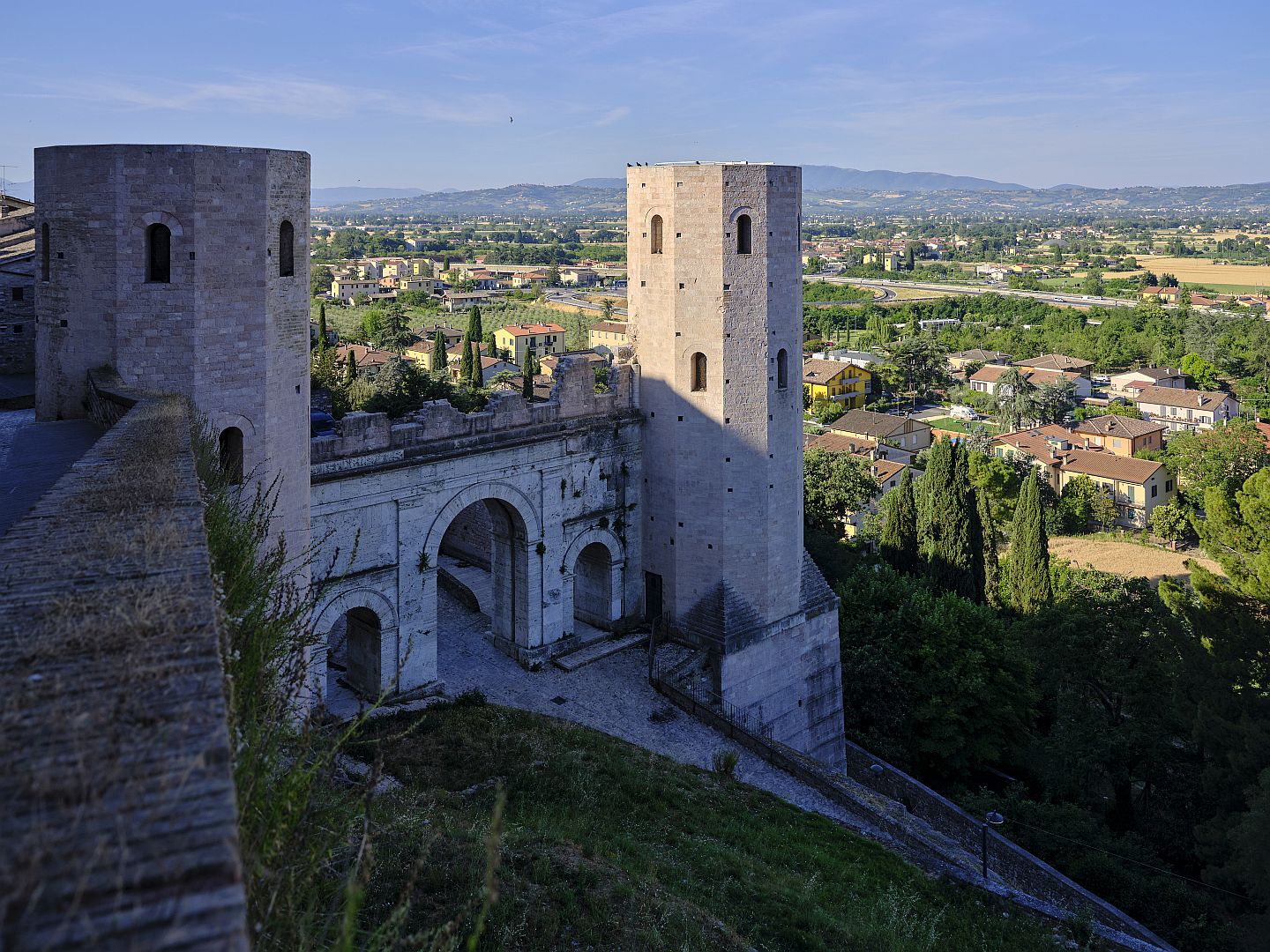
Spello (Hispellum in antiquity) was a settlement of the ancient Umbri, on a small hill at the foot of the Apennines, near where a very ancient salt road linked the coast with the central Umbrian valleys. Like other towns in the region, it became a Roman colonia in the 1st Century BC, and you can still see a very fine pair of Roman gates, one, the Porta Consolare, where the road led south to Spoleto, and one, the Porta Venere, on the road north to Assisi.
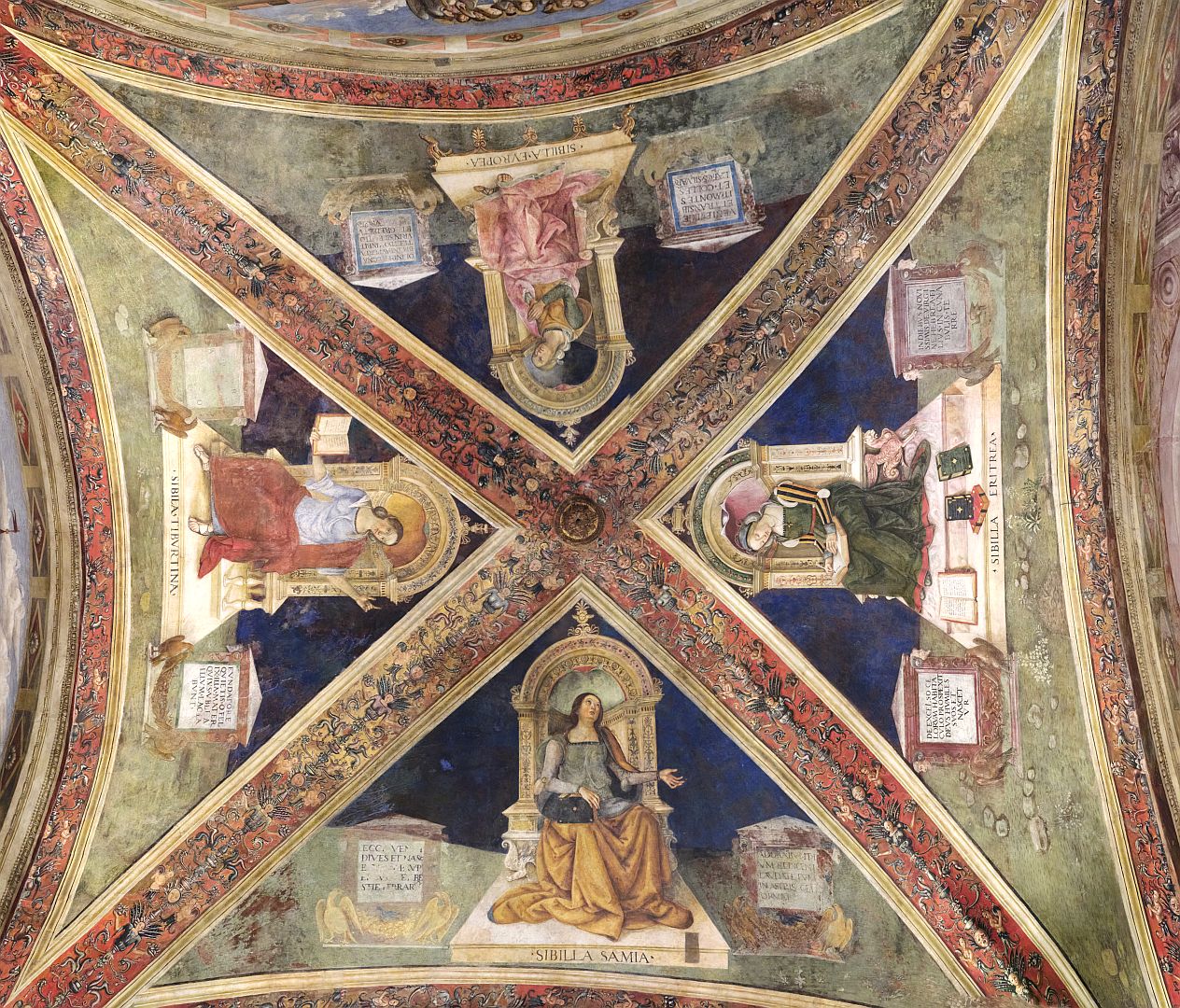
The town is well worth visiting at any time; it has nice bars and restaurants, some with excellent views over the valley. A special reason to visit is to see the frescoes by Pinturicchio in the Baglioni Chapel, which I wrote about in my post titled Tough Guys in Art – The Baglioni of Perugia.
The Infiorate
These days Spello is increasingly known for its Infiorate festival, in which the streets of the town are decorated with flowers. It is a religious festival, held to mark the feast of Corpus Christi (referred to in Italy as Corpus Domini). The feast celebrates the doctrine that the body and blood of Christ are actually rather than symbolically present in the Eucharist, in those branches of Christianity (Roman Catholicism, and to lesser degrees Anglicanism and Lutheranism) that believe so. A feature of Corpus Domini is a solemn procession through the streets, and it seems possible that the infiorate originated from a custom of throwing flowers before the procession.
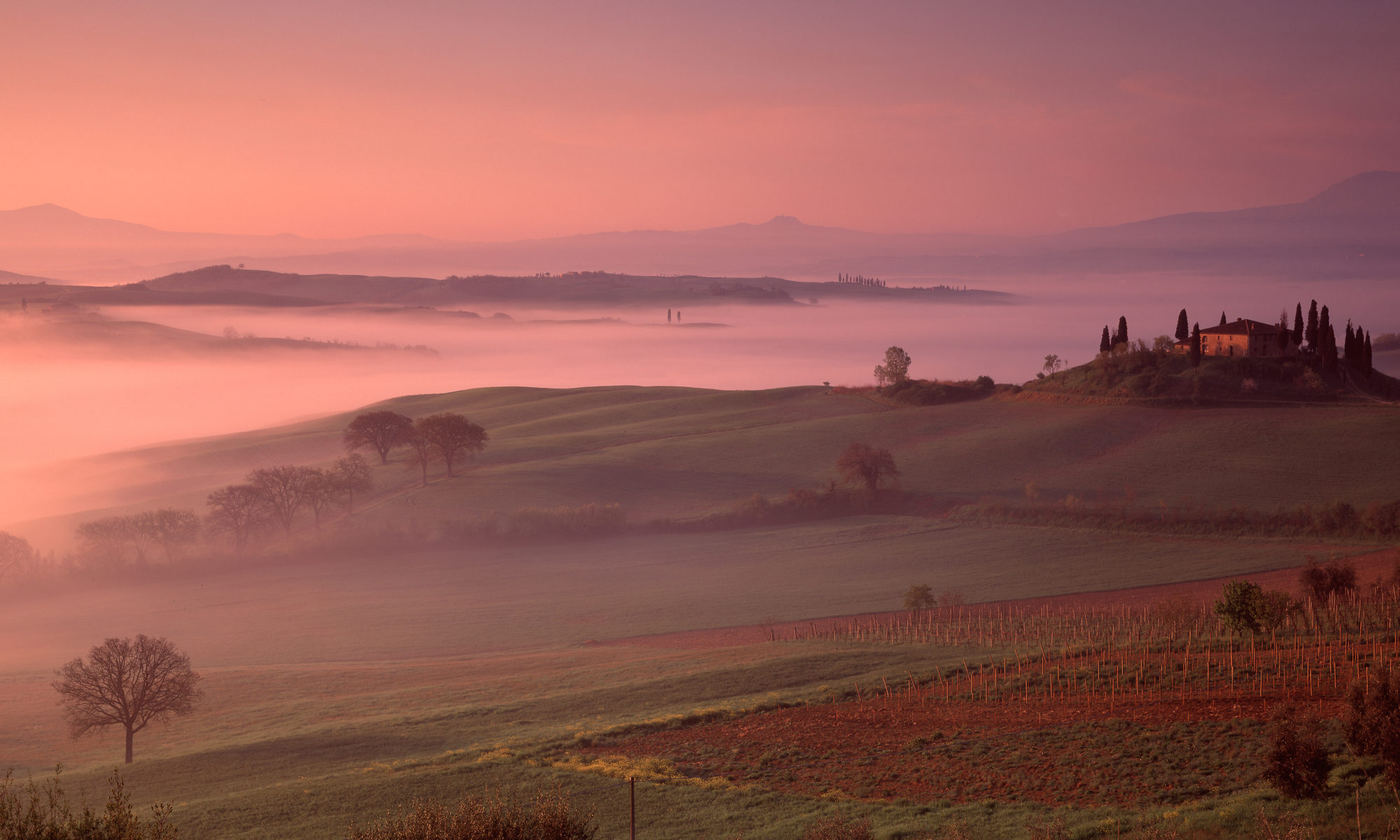
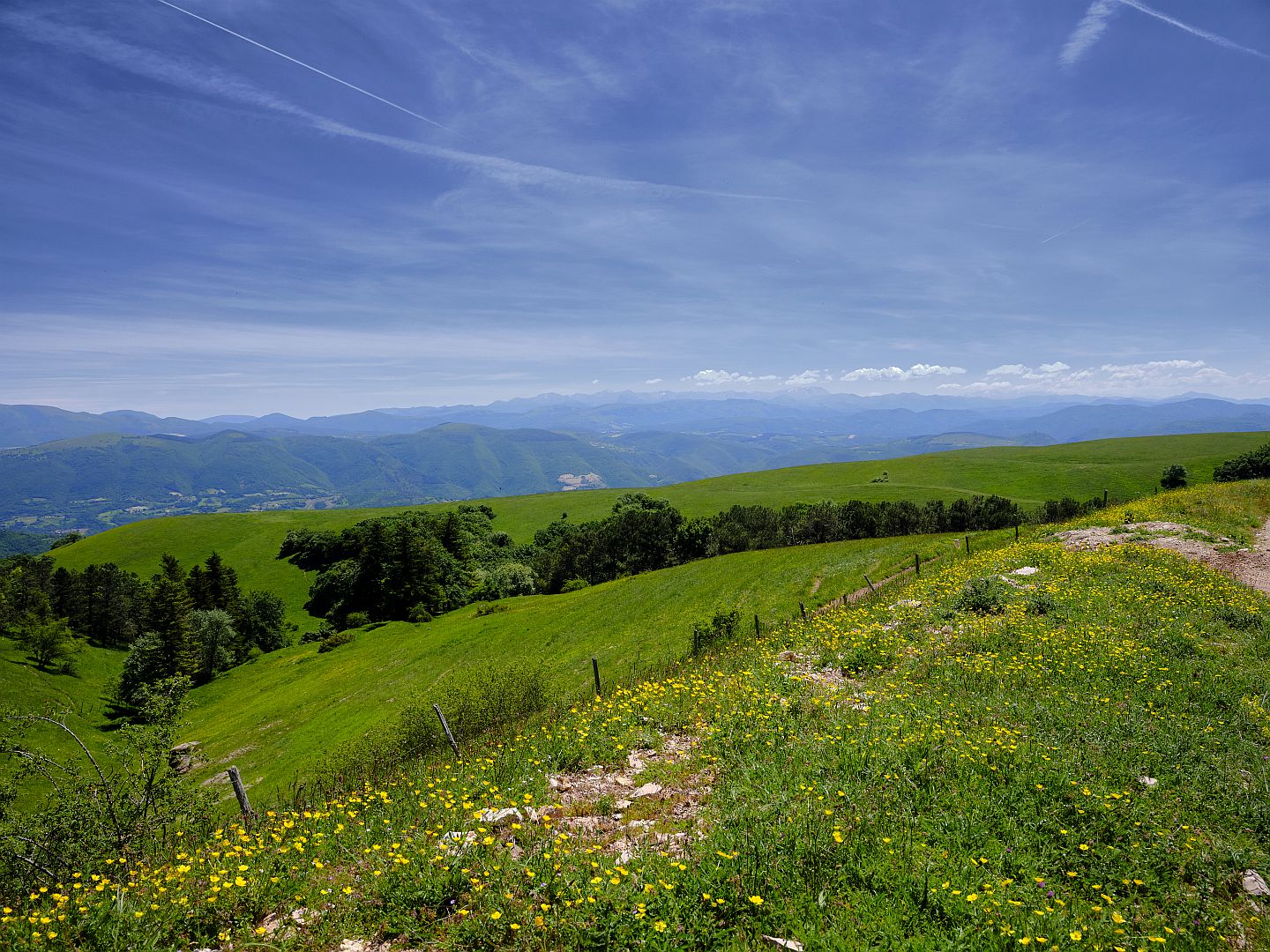
While down in the valley most of the flowers are gone by June, Spello has the advantage of being on the slopes of Mount Subasio, whose high meadows keep their spring flowers a good deal longer.
Exactly when the infiorate started is a bit hard to establish: online references vary, and not even Wikipedia is unambiguous. The English-language Wikipedia page says that the first reference is in 1831, however the Italian-language page interprets a document from 1602 as evidence that the festival existed then. It seems to have started to take on its modern form in the 1960s.
Depending on the year, Corpus Domini falls either at the end of May or in the first half of June, so the nights are short and the days are long. No doubt this has shaped the modern form of the festival, in which competing teams stay up all night preparing their displays. Of course it is not hard to find people going off on tangents involving pagan midsummer rituals, and while direct continuity sounds rather unlikely, finding some faint echoes of those is forgivable, I think.
We had wanted to attend the festival for a while, and after a two-year absence from Italy due to COVID, the year of our return, 2022, seemed like a good time to do so.
We were advised by friends to be there first thing in the morning, so we left home at 5am and arrived at Spello before 6am. It turned out to have been good advice as the fields on the outskirts of town that served as car parks were already starting to fill, and an arrival an hour or so later would have meant a much longer walk.
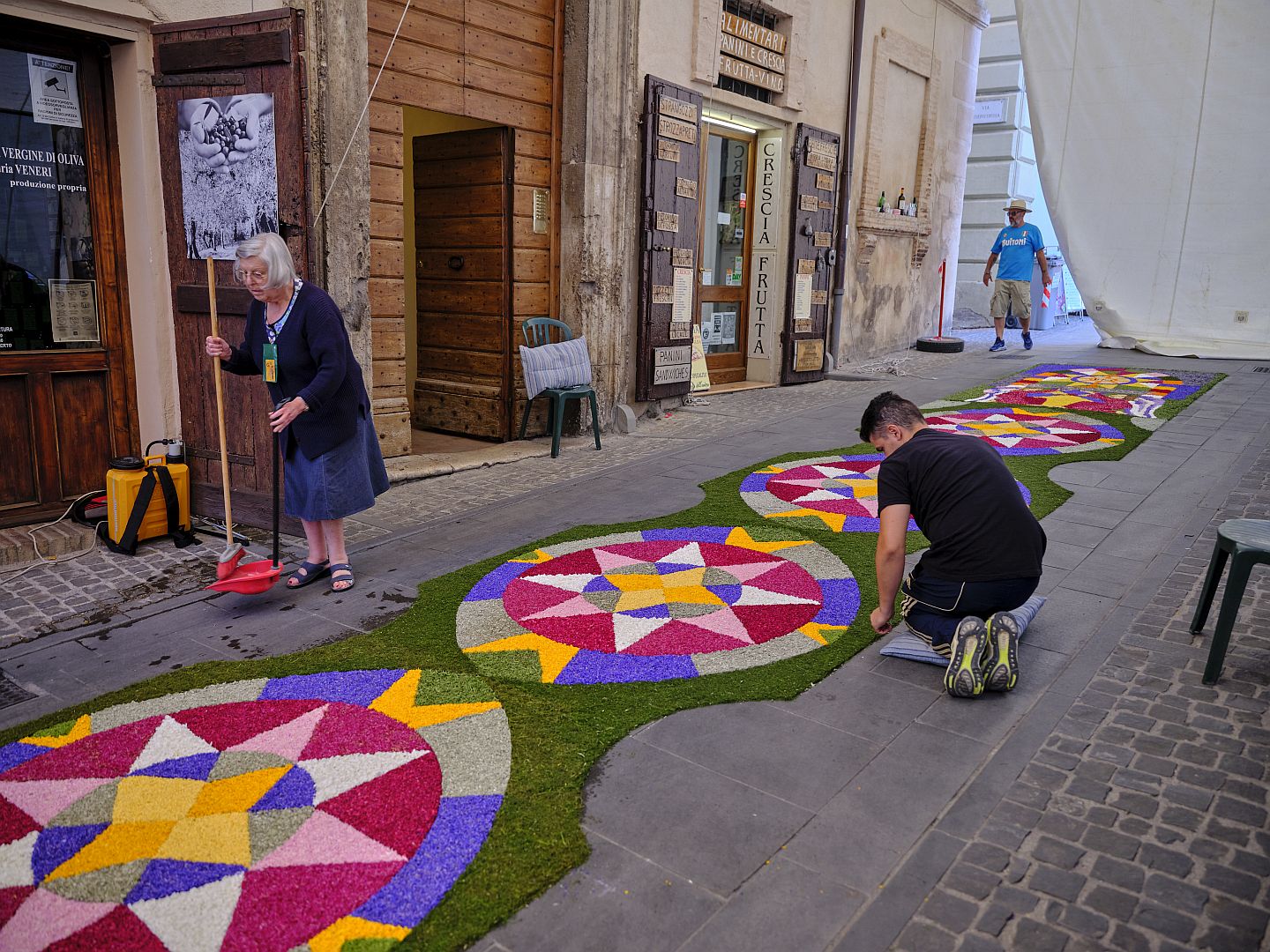
The exhibits had to be ready by 8am, and while some were complete, most were still works in progress, many under large marquees to protect them from the weather. The more serious teams were working with real urgency to get finished in time.
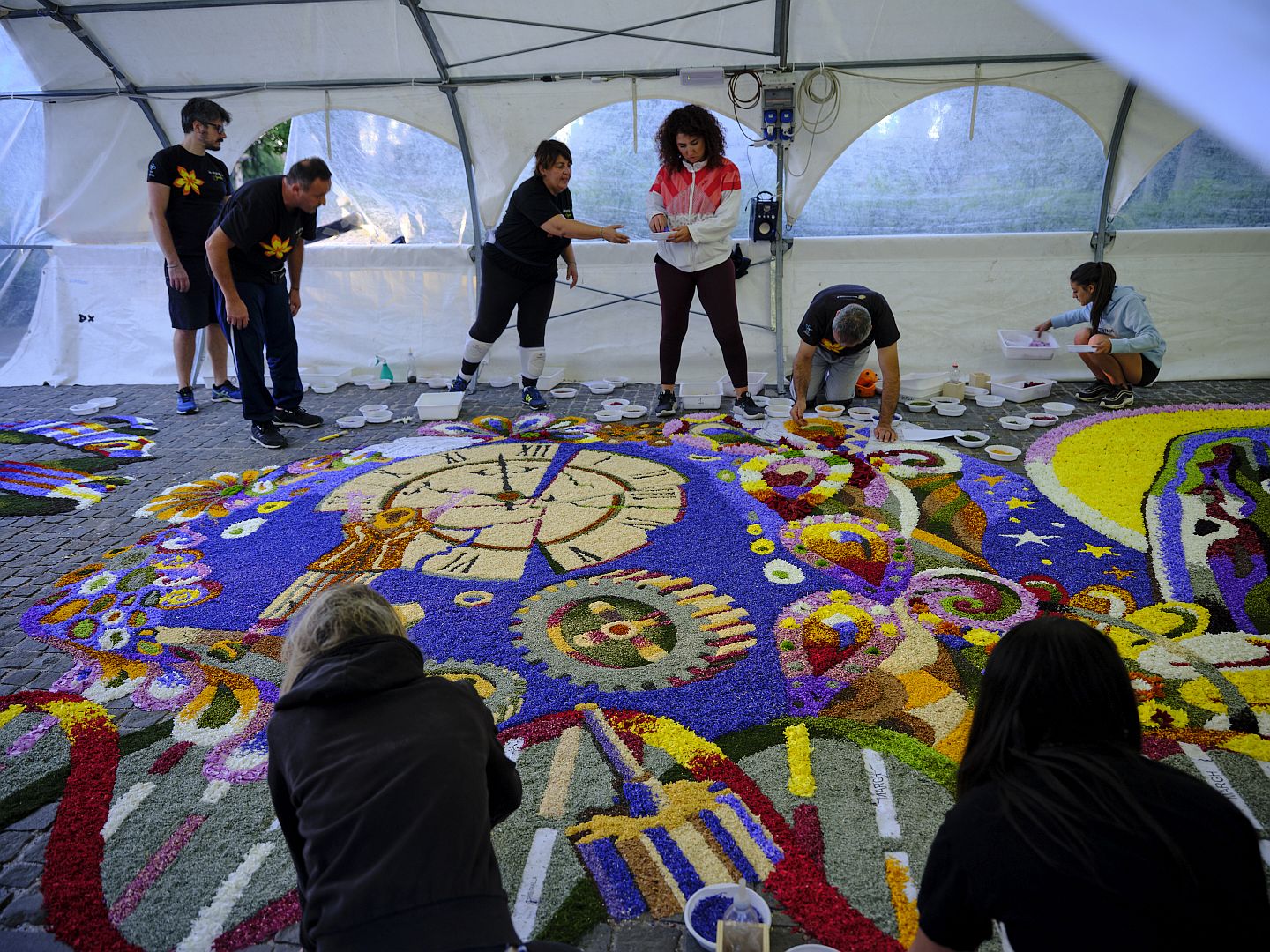
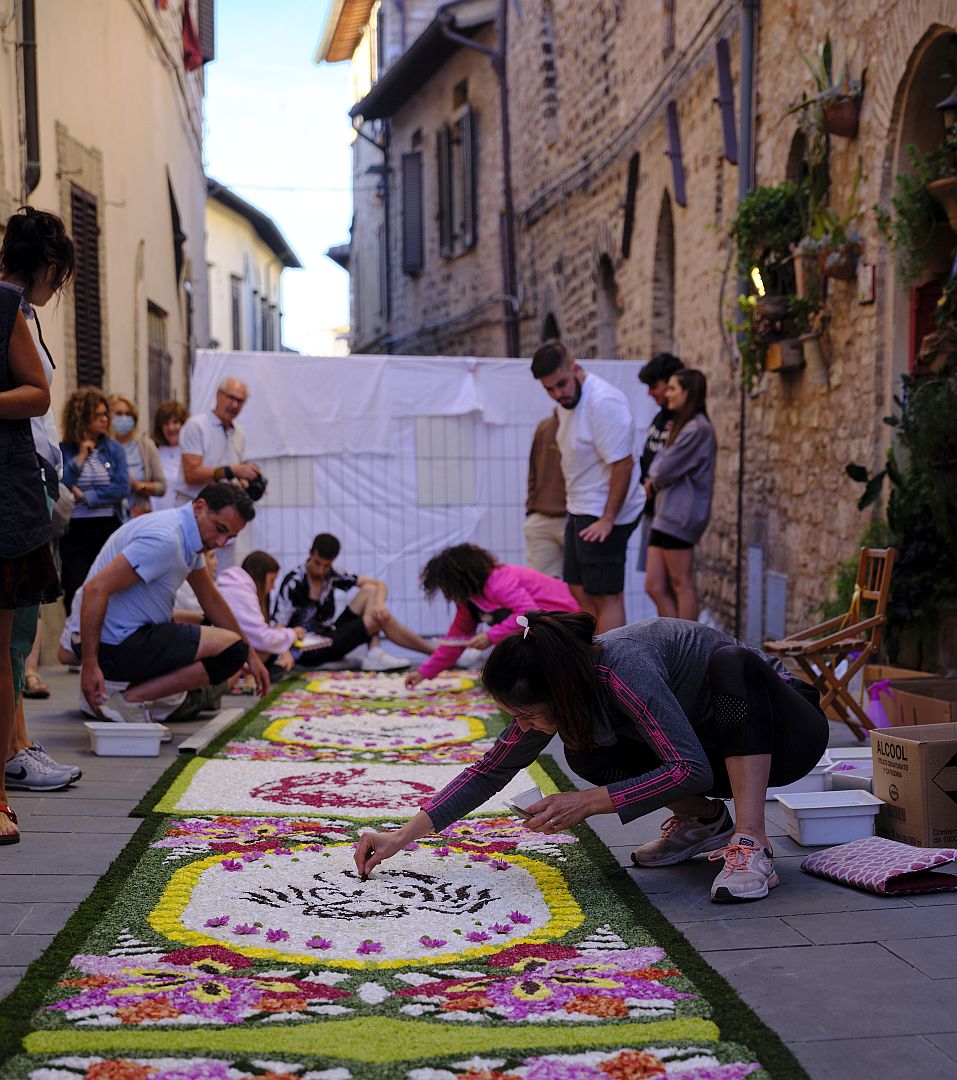
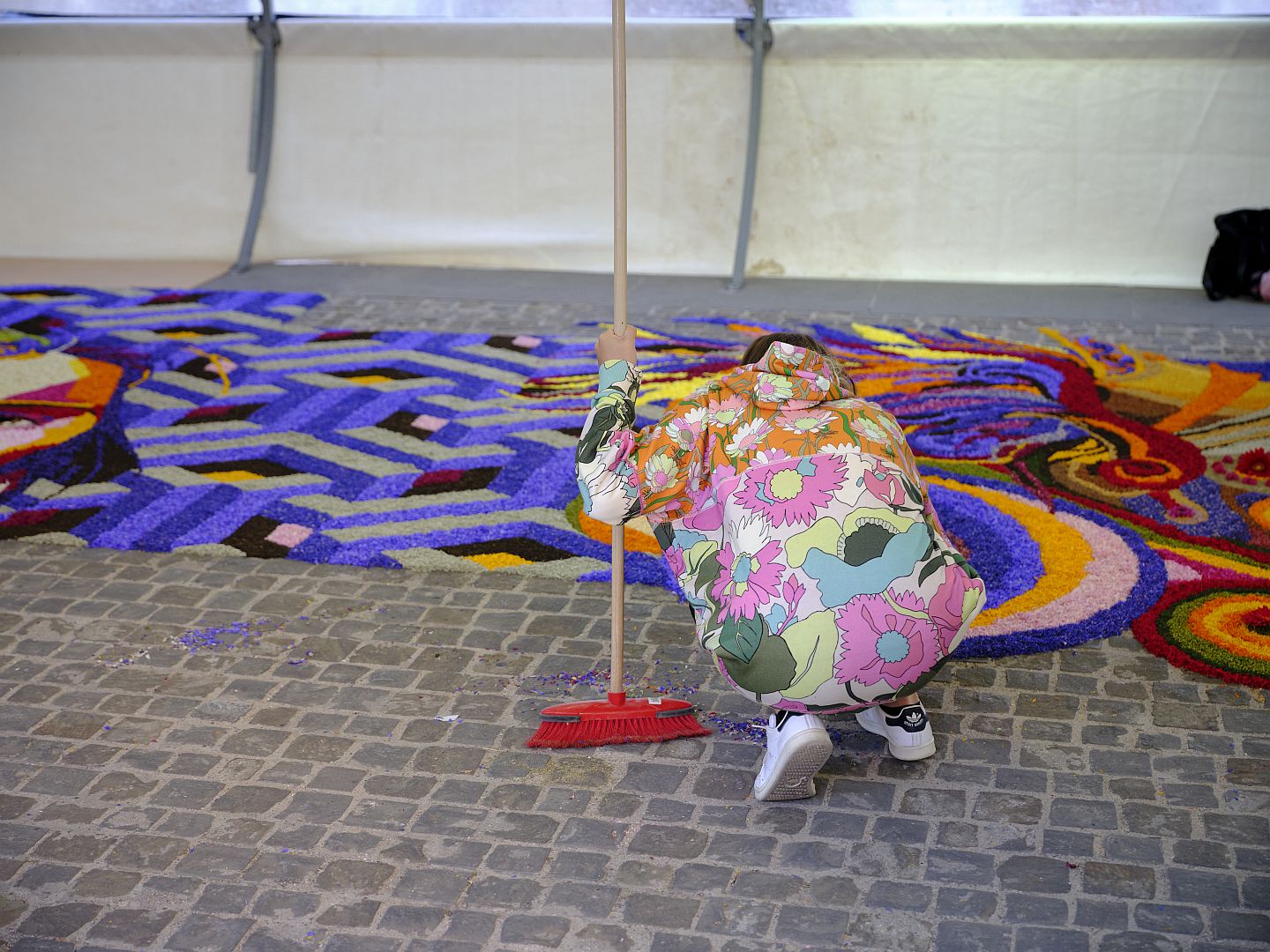
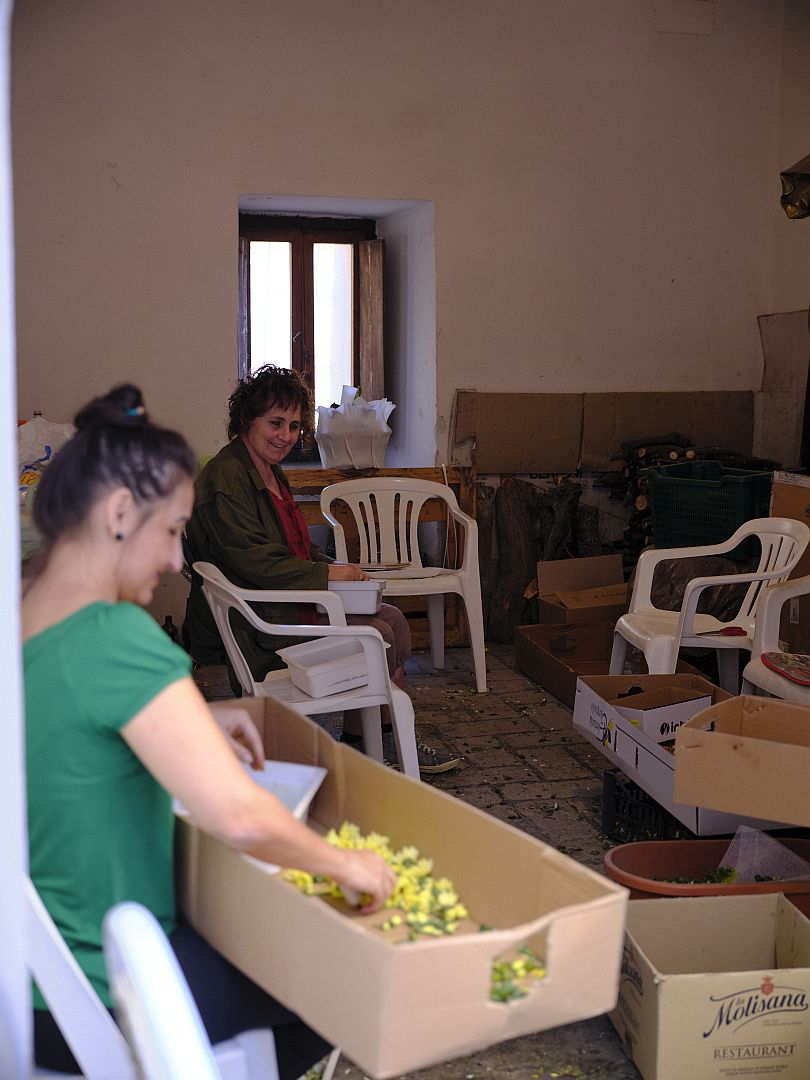
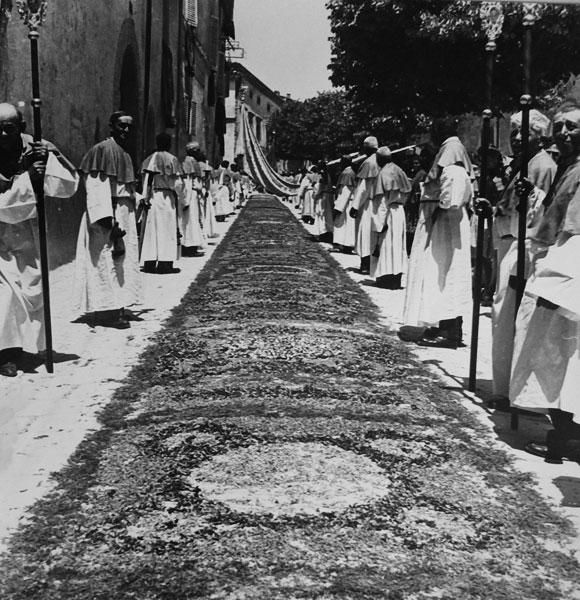
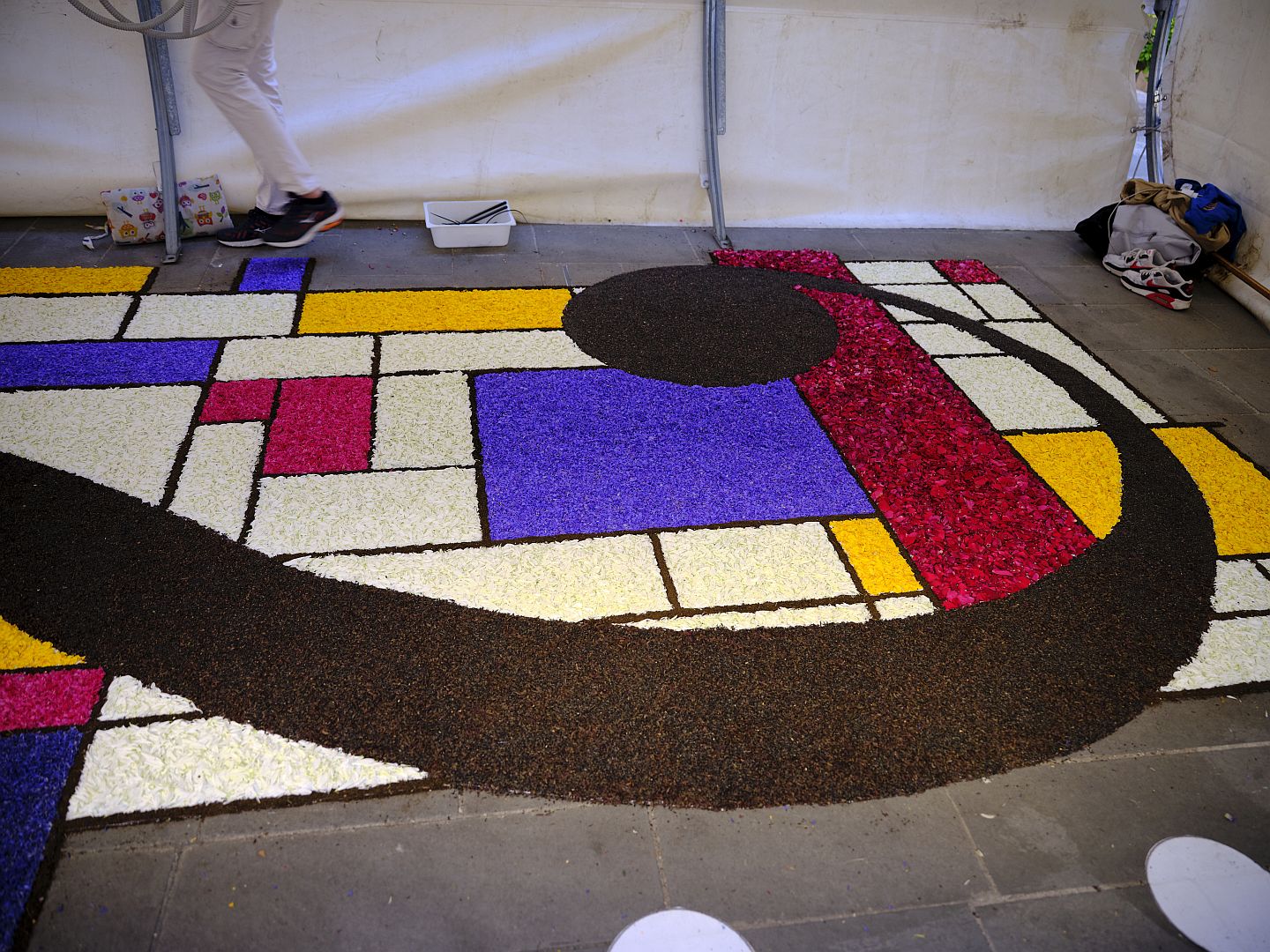
Some of the designs were, one imagines, quite traditional – the sort of thing that one sees in the old black-and-white photograph above. Others were contemporary both in style and execution – they appeared to have been designed on a computer, then printed out on large sheets of paper which were then laid out to form a sort of giant paint-by-numbers task. Similarly coloured flower petals, from numbered boxes (surely commercially supplied) were then used to fill in the appropriate spaces. Some of the more abstract designs were reminiscent of 20th-Century painters like Klee, Mirò or Mondrian.
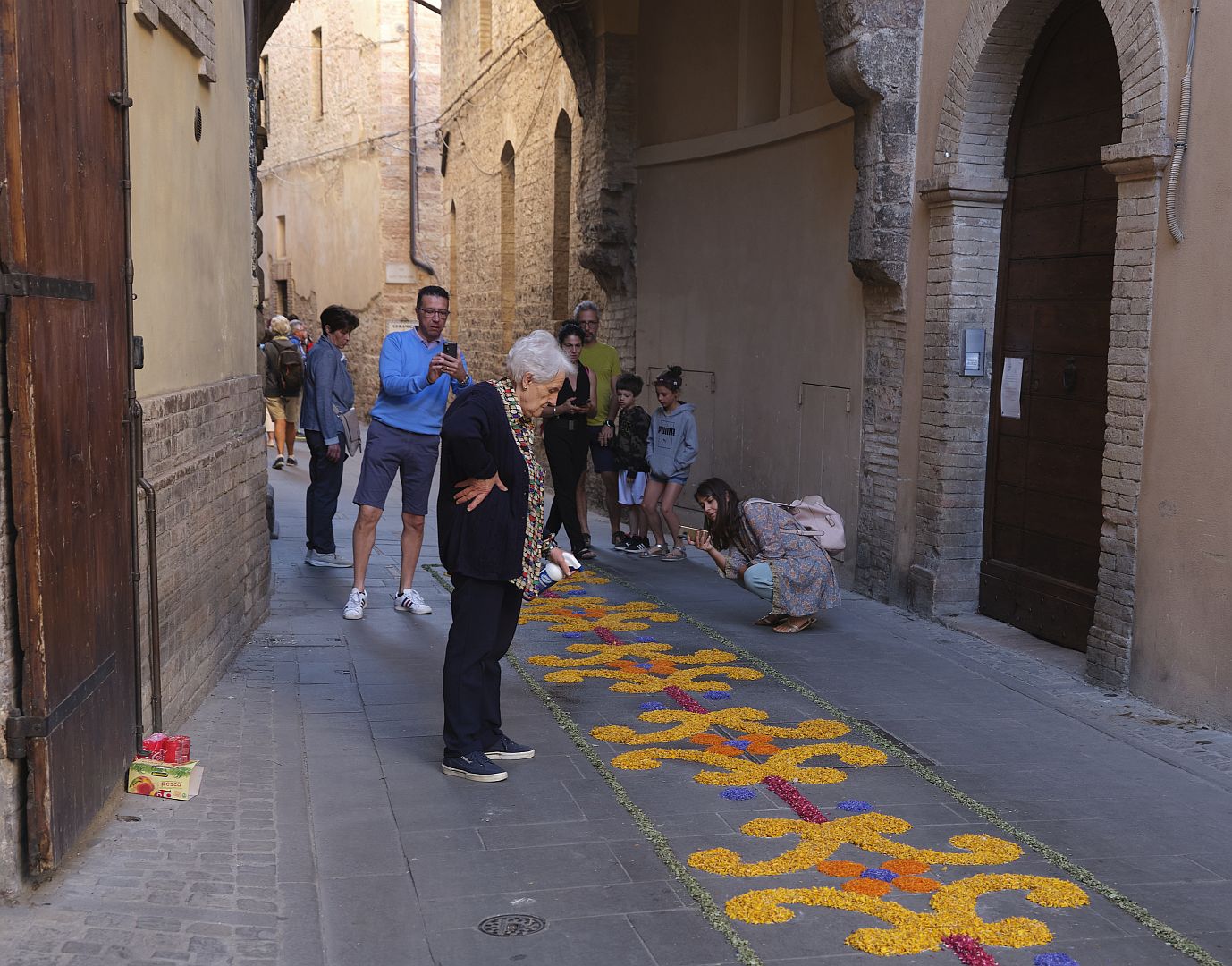
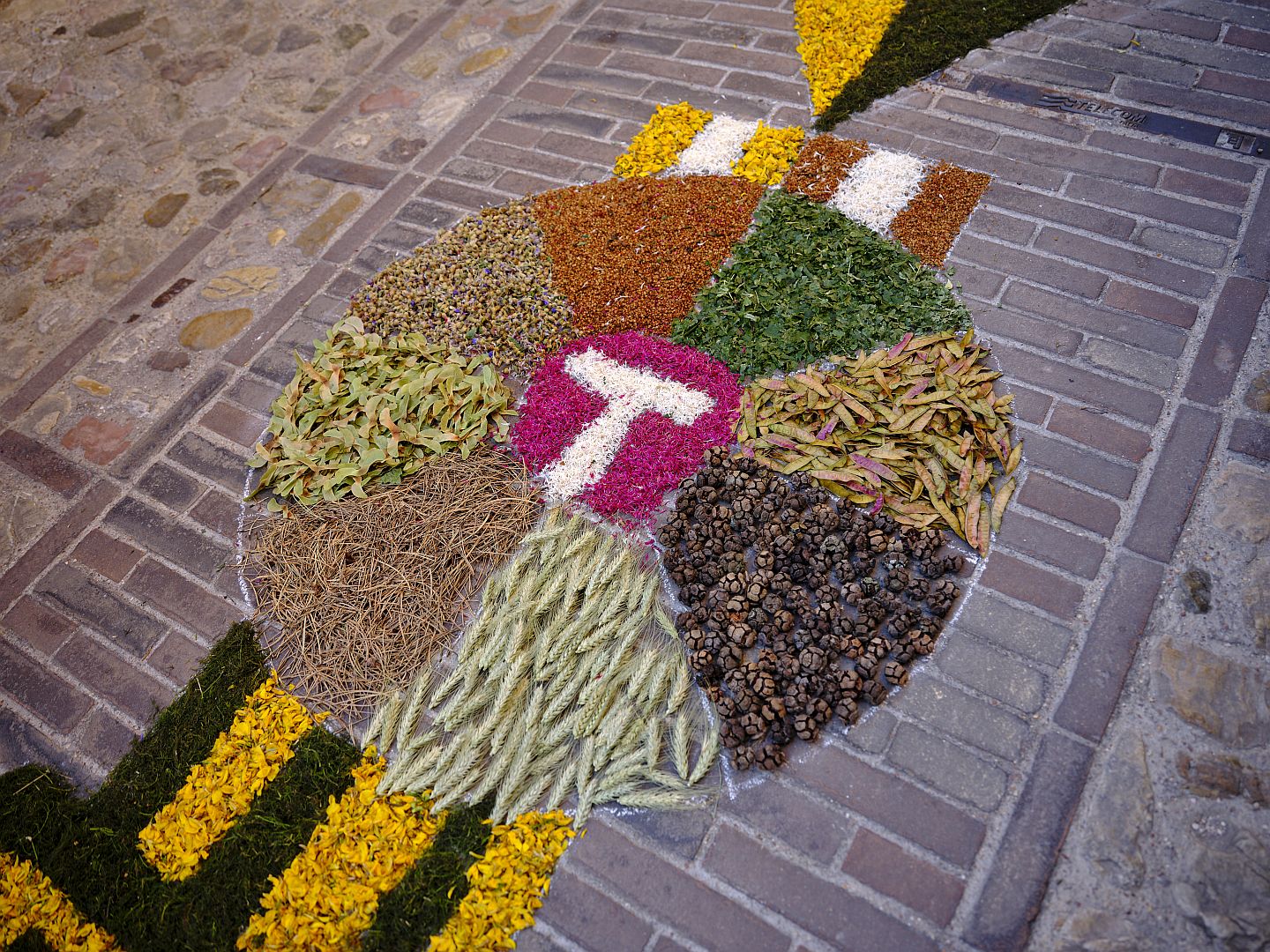
Most of the figurative designs were religious, to varying extents – some versions of the crucifixion or the Last Supper, while others were more generic references to peace, love and so on. The “tau” cross, associated with St Francis, appeared a few times, sometimes with references to one of his other themes, nature. Since Francis came from just up the road, the Spellani, like other Umbrians, do feel rather proprietorial about him.
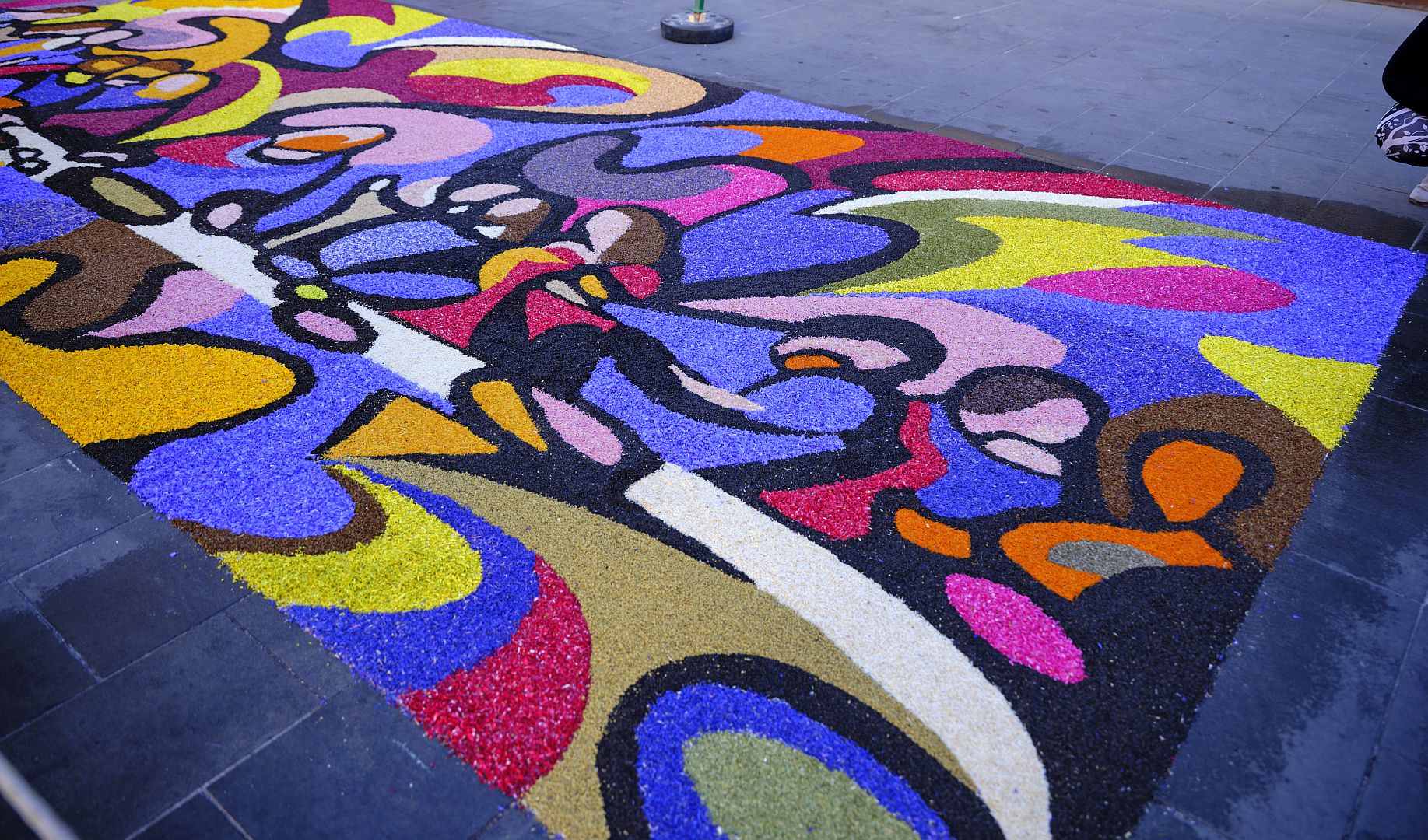
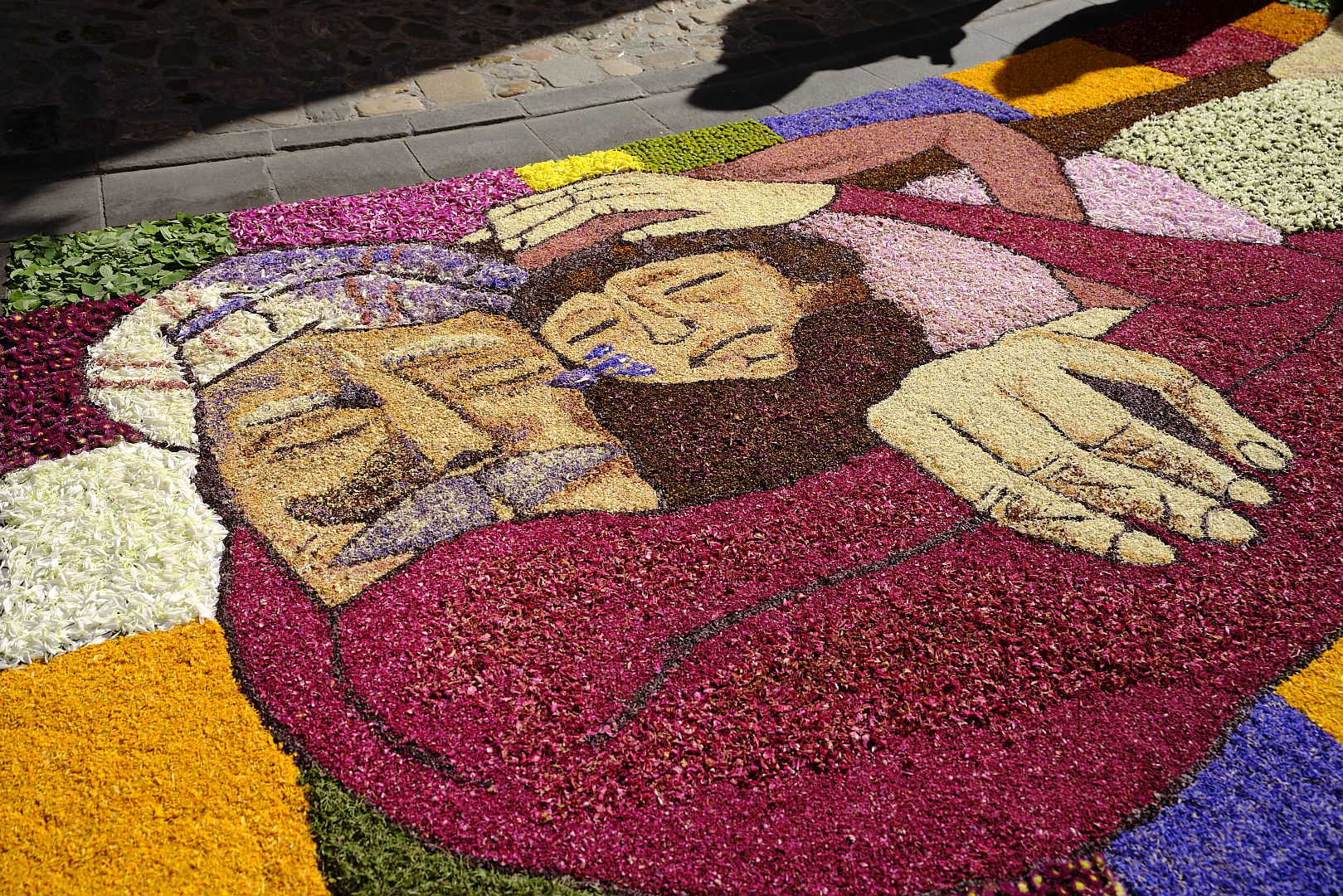
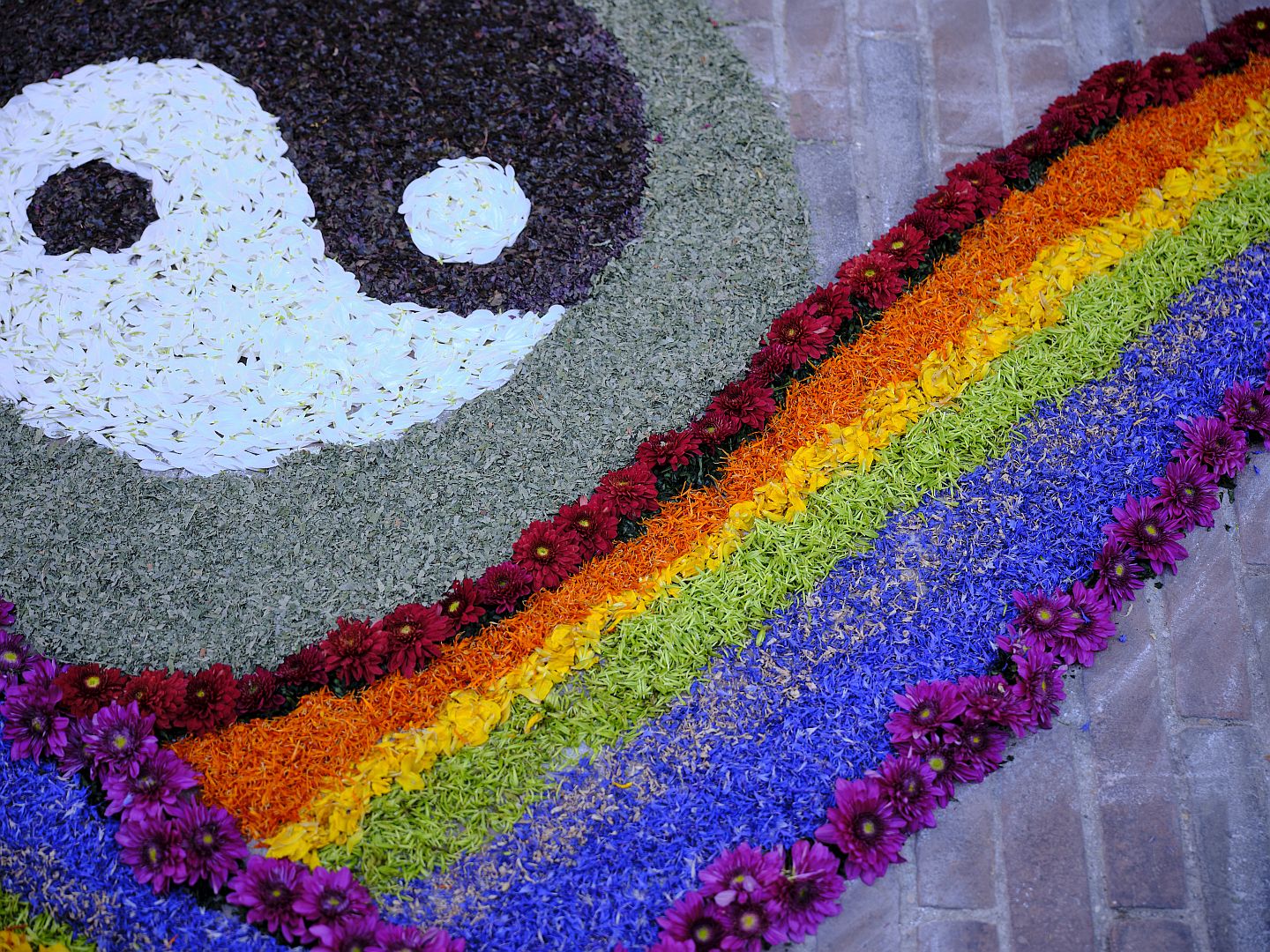
The festival advertises itself as having a mile of floral displays. While I didn’t measure the distance, it was quite a long walk, which we broke for a breakfast of coffee and cornetti at our favourite Spello café which has a great view.
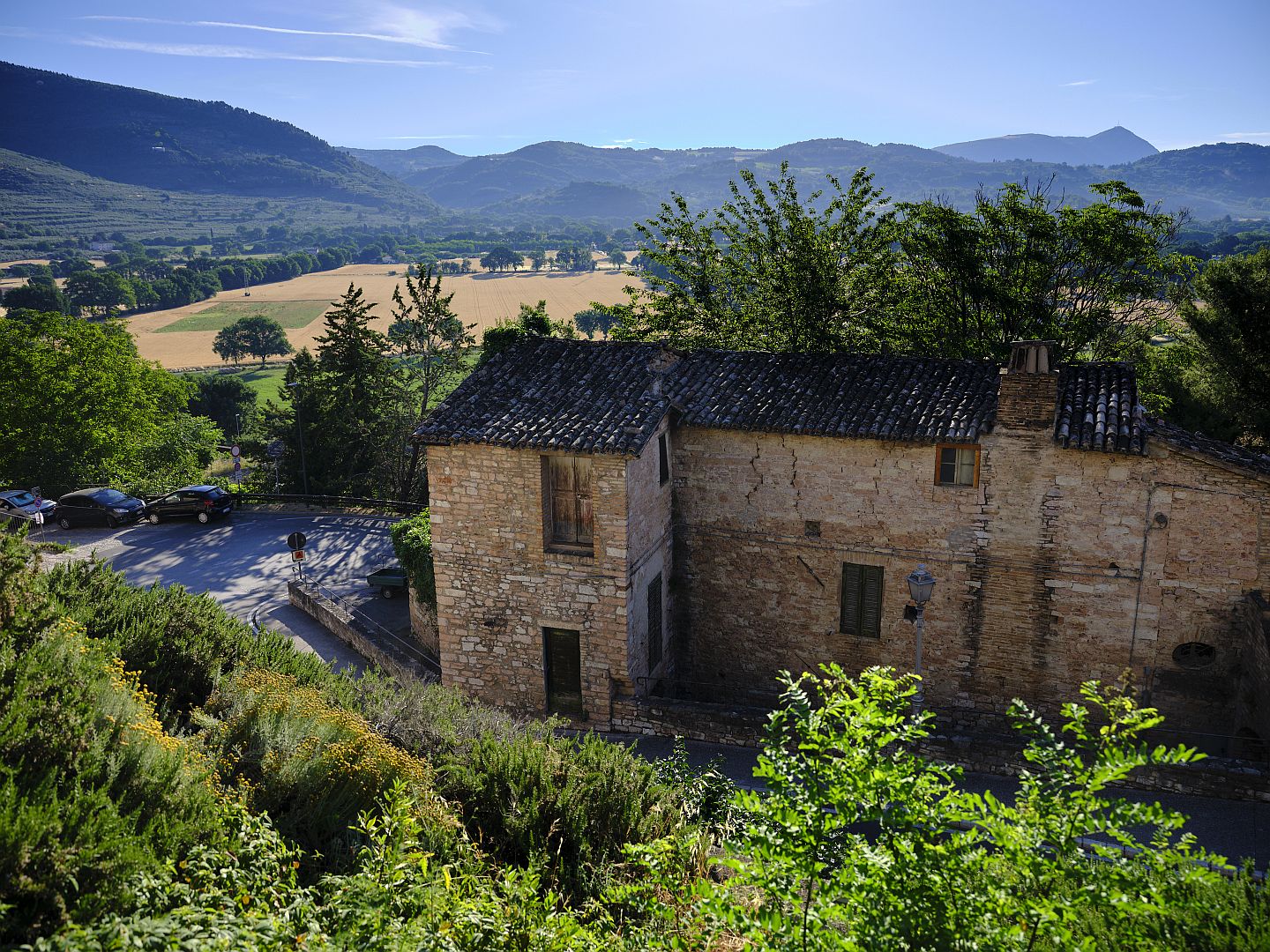
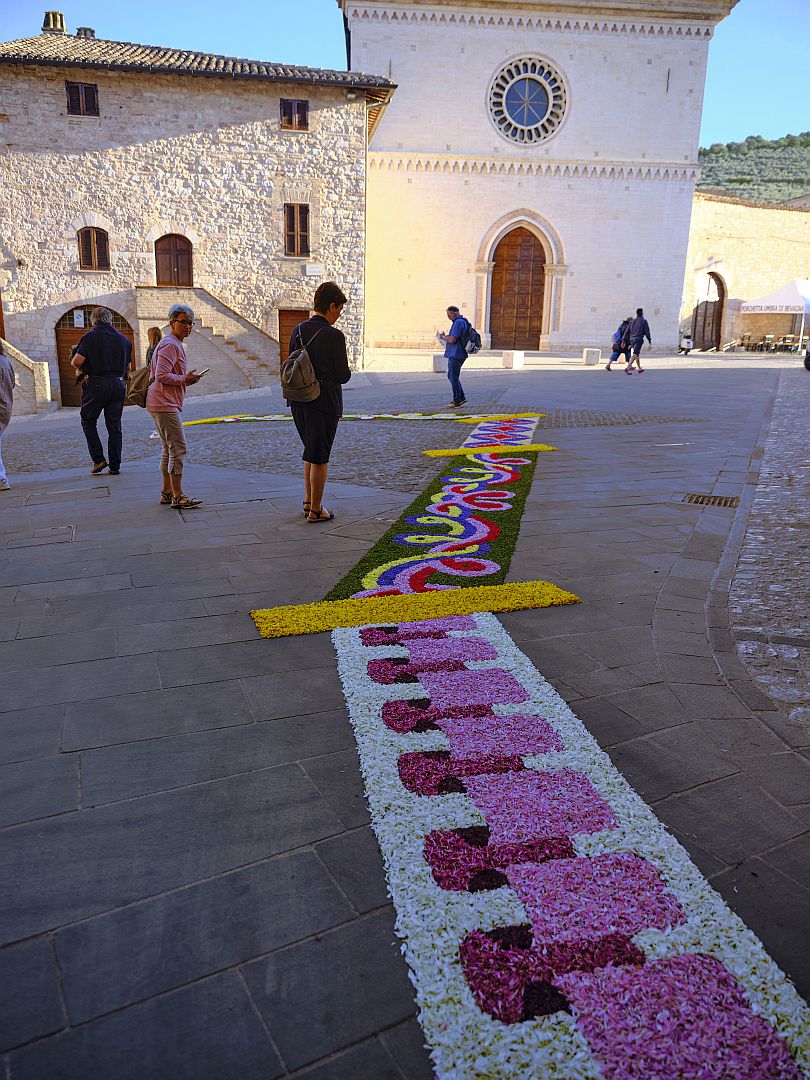
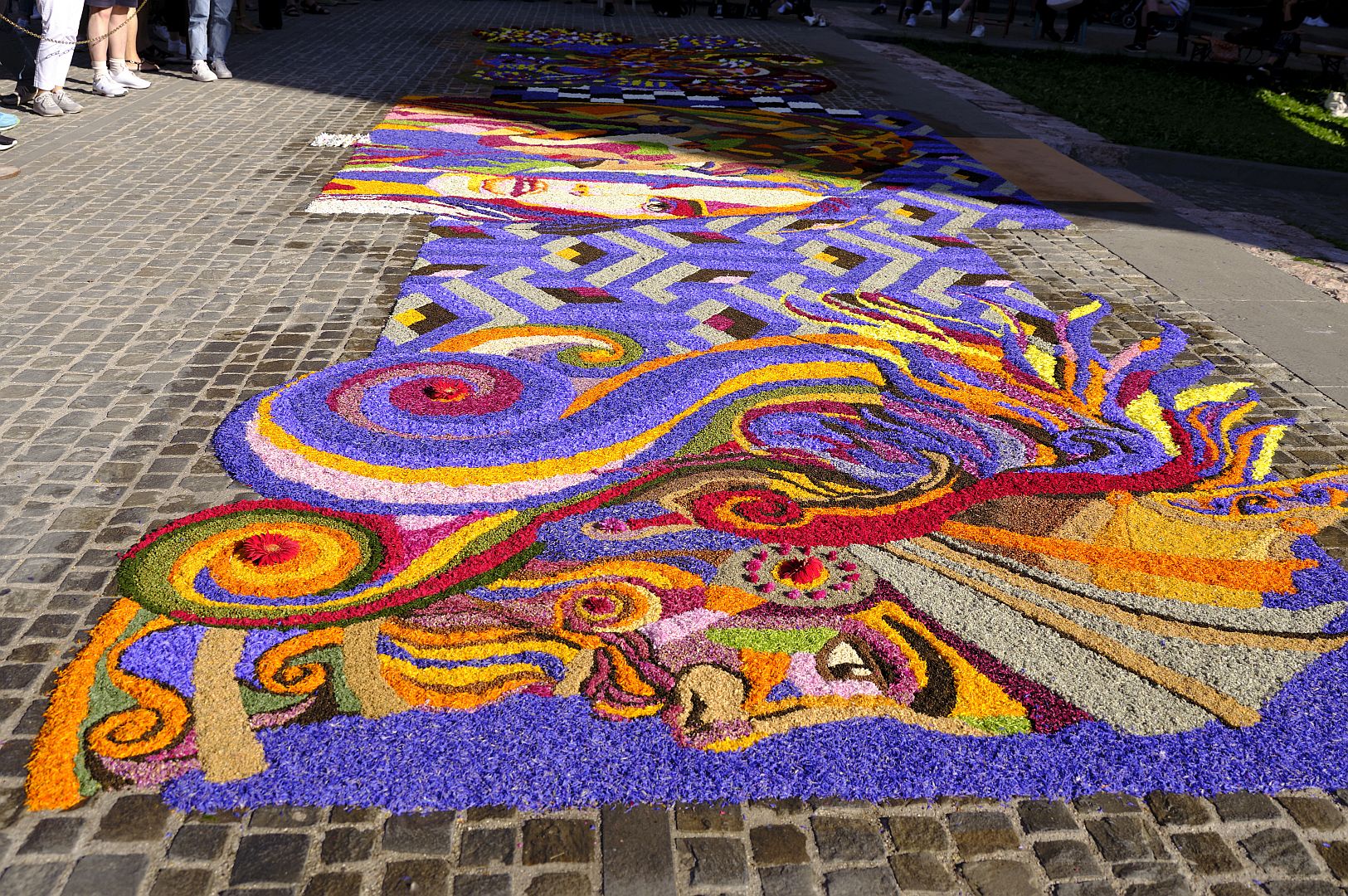
By the time we finished the circuit it was about 9am and the first tour buses had arrived. The crowds were getting such that moving around the town would have been a slow job requiring a degree of patience. So we slipped away, grateful for the advice to have started early.
At 11am or thereabouts, the solemn procession of the Eucharist leaves the church, led by the bishop. They walk the length of the town, over the floral displays, destroying them as they go. At some point the prizes will be awarded, along with (this being Italy) long speeches, after which I have no doubt that the teams will enjoy a big lunch together.
My references to the crowds, and to the computer-generated designs, may make it sound as if we were a bit jaded by the experience, but that was not the case at all. The participants had obviously entered into the spirit of the thing by staying up all night, and it was rather moving to see a bunch of modern young people taking part in something that is definitely a couple of hundred years old, and probably a lot more ancient than that.